



Why Are Ceramic Tiles Suitable for Homes and Commercial Buildings in Nepal?
If there is one tile material that works equally well in a family kitchen in Bhaktapur and a hotel lobby in Thamel, it is ceramic tiles. Ceramic tiles for homes and commercial buildings in Nepal have remained a consistent choice for decades, not because of trends, but because the material genuinely delivers where it matters: durability, hygiene, moisture resistance, and design range, all within a practical budget.
Nepal’s environment puts flooring under real pressure. Monsoon humidity, temperature swings between seasons, high-traffic usage in both homes and businesses, and the need for surfaces that are easy to clean without specialist products, ceramic tiles handle all of it reliably. That is why builders, interior designers, and homeowners across Kathmandu Valley continue to specify ceramic tiles across almost every room type.
This guide explains exactly why ceramic tiles are a smart choice for both residential and commercial applications in Nepal, covering their key advantages, where they perform best, what to watch for, and how Kajaria Ramesh’s ceramic tile range is designed to meet Nepal’s specific needs.
What Makes Ceramic Tiles Different From Other Flooring Materials?
Ceramic tiles are made by shaping and firing natural clay at high temperatures. The result is a dense, hard surface material with a fired glaze on top, giving it the color, pattern, and protective finish you see in the final tile. The firing process is what gives ceramic its core technical properties: resistance to water, stains, heat, and surface wear.
Unlike wood, which absorbs moisture and warps, or carpet, which traps allergens and bacteria, or vinyl, which can peel and discolor over time, ceramic tiles hold their surface properties indefinitely under normal conditions. A correctly installed ceramic tile in a Nepali home will still look and perform the same way fifteen years later.
Advantages of Ceramic Tiles for Homes and Commercial Buildings
Below are the key reasons why ceramic tiles remain the most widely specified flooring and wall material for both homes and commercial buildings across Nepal.
1. Durability That Lasts Decades
Ceramic tiles resist chipping, cracking, and surface wear under the kind of daily use that damages most other materials. For residential use, this means a kitchen floor or bathroom wall that does not need replacing every few years. For commercial use, it means a tile that can absorb thousands of footsteps a day without losing its surface finish.
Even when a single tile cracks due to direct heavy impact, the repair is simple: replace that one tile without disturbing the rest of the installation. This makes the long-term cost of ceramic tile flooring significantly lower than materials that require full replacement when damaged.
2. Moisture and Water Resistance
Nepal’s monsoon season creates humidity levels that damage many flooring and wall materials. Ceramic tiles are inherently water-resistant. The fired glaze on their surface prevents water absorption, making them the correct specification for bathrooms, kitchens, laundries, and any commercial space that handles regular water exposure: restaurant kitchens, hotel bathrooms, hospital washrooms, and office common areas.
This moisture resistance also means ceramic tiles do not support the growth of mold or mildew, which is a genuine concern in Nepal’s wetter months. Areas that stay damp for extended periods, such as shower walls, bathroom floors, and commercial washrooms, stay hygienic with ceramic tiles in a way that other materials cannot match.
3. Hygienic and Non-Porous Surface
Ceramic tiles do not absorb dust, pollen, pet dander, bacteria, or odors. Their non-porous surface gives microorganisms no place to settle and multiply. This makes them the healthiest flooring choice for kitchens and bathrooms in the home, and an important specification in commercial environments where hygiene is a regulatory concern: restaurants, clinics, pharmacies, and food processing areas.
Daily cleaning requires nothing more than warm water and a standard mop. For deeper cleaning when needed, ceramic tiles tolerate strong detergents, disinfectants, and even high-pressure cleaning equipment without any surface damage, a significant advantage in commercial kitchens and healthcare facilities.
4. Heat Resistance and Underfloor Heating Compatibility
Ceramic tiles do not burn, do not emit harmful gases when exposed to heat, and do not discolor from contact with hot objects. In kitchens where hot pans and vessels are placed near floor level, or in commercial restaurant environments where heat sources are constant, this is a meaningful safety advantage.
Ceramic tiles are also excellent conductors of heat, which makes them the ideal pairing for underfloor heating systems. Unlike insulating materials that create a barrier between the heating element and the room, ceramic tiles allow heat to pass through efficiently, giving you better performance from the same heating installation.
5. Stain Resistance and Easy Maintenance
The glazed surface of ceramic tiles resists virtually all common household and commercial stains: oil, grease, food spills, cleaning products, and general grime. Stains that sit on the surface rather than being absorbed are easy to clean before they set.
This low-maintenance quality directly reduces operating costs in commercial settings. A retail shop or restaurant floor that requires only daily sweeping and occasional mopping stays presentable without specialist cleaning contractors. In homes, it means less time maintaining floors and more confidence when spills happen.
6. Design Versatility for Every Space
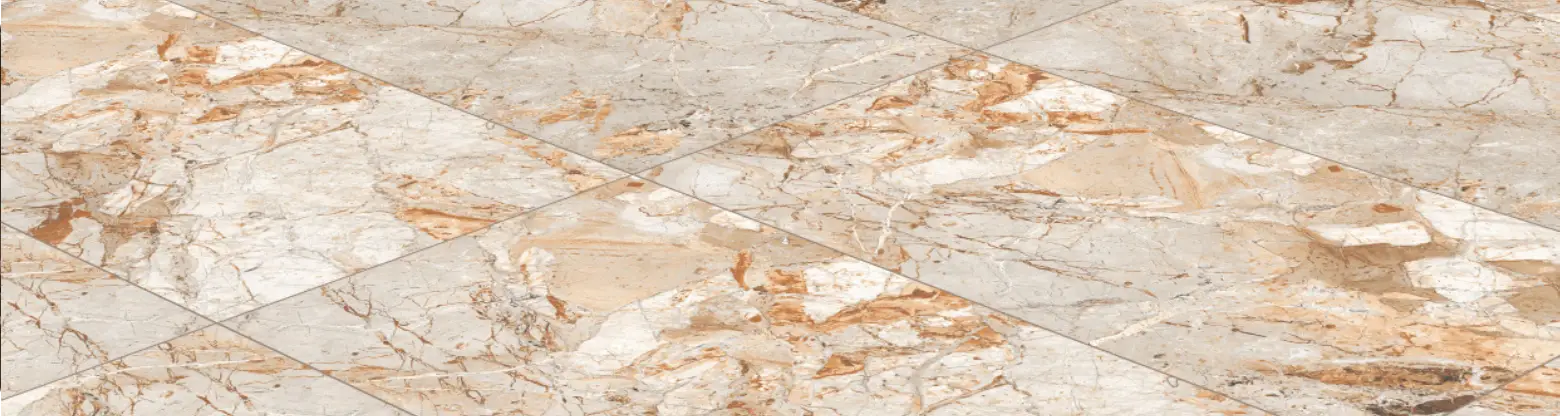
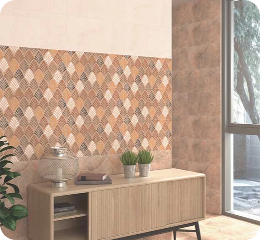
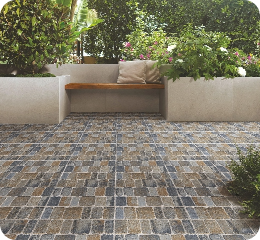
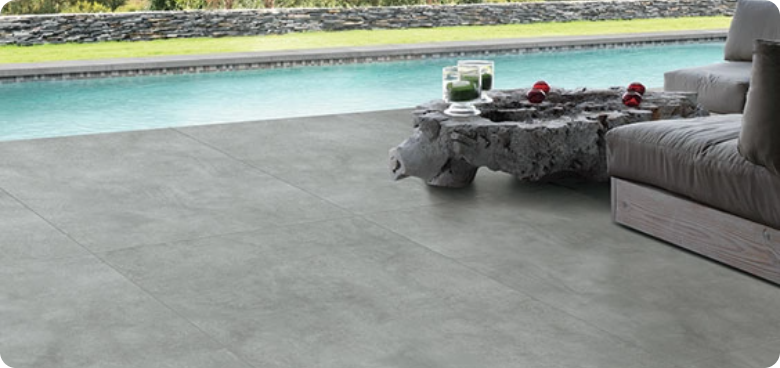
Modern ceramic tile manufacturing, particularly the digital printing technology used in Kajaria Ramesh’s tiles ceramic and Digital Wall Tile range, allows for an enormous range of surface designs. Ceramic tiles can accurately replicate natural stone, marble, wood grain, textured concrete, and custom geometric patterns at a fraction of the cost of those materials.
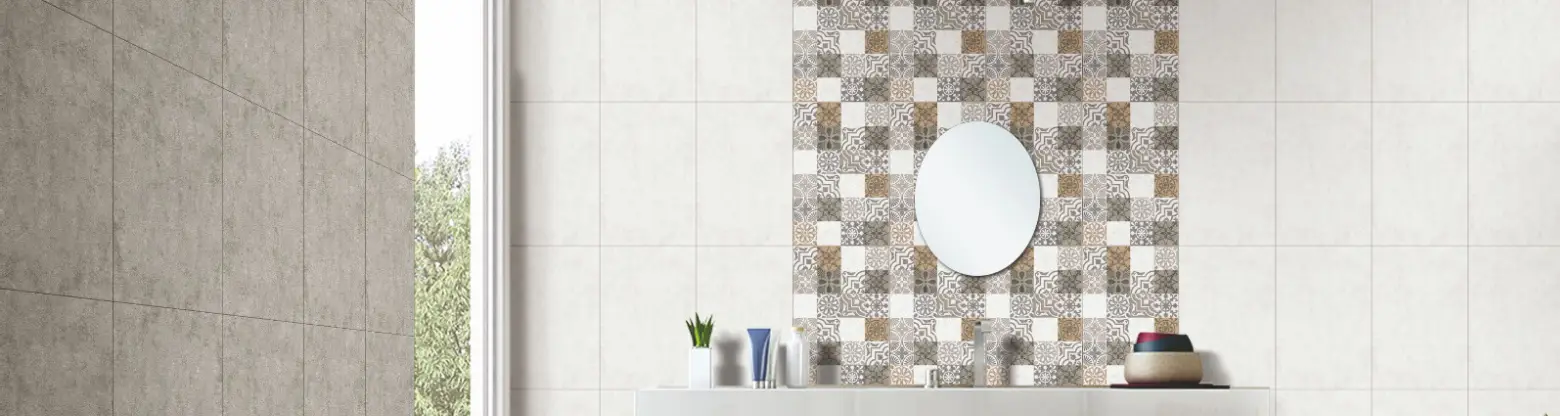
This means the same tile material can deliver a rustic stone-look kitchen backsplash, a modern concrete-look office floor, a marble-finish hotel wall feature, and a bright patterned bathroom, all with the same underlying durability and maintenance profile. The design possibilities are practically unlimited, and they can be tailored to match any interior aesthetic or brand identity.
7. Eco-Friendly Production and Long Life Cycle
Ceramic tiles are manufactured using natural materials, primarily clay and sand, without synthetic compounds or petrochemicals. They do not emit volatile organic compounds (VOCs) during or after installation, which means they contribute positively to indoor air quality rather than degrading it.
Their long service life is itself an environmental advantage. A ceramic tile installation that lasts 20–30 years requires no replacement material, no disposal of failed flooring, and no repeat use of installation resources during that period.
Disadvantages of Ceramic Tiles for Homes and Commercial Buildings
Every material has limitations, and ceramic tiles are no exception. Knowing these upfront helps you make the right decision for each specific room and application rather than discovering them after installation.
1. Hard and Cold Underfoot
Ceramic tiles have no give in them. Standing on a ceramic floor for extended periods in a kitchen while cooking, or at a retail counter during a full workday, can cause foot and leg fatigue in a way that carpet or cushioned flooring does not. In Nepal’s winter months, particularly in hilly regions and higher-altitude cities, ceramic floors can feel noticeably cold underfoot in the mornings.
The practical fix for homes is simple: use rugs or floor mats in standing areas. For commercial environments where staff stand for long hours, anti-fatigue mats at workstations address the issue directly without affecting the rest of the floor.
2. Slippery When Wet If the Wrong Finish Is Chosen
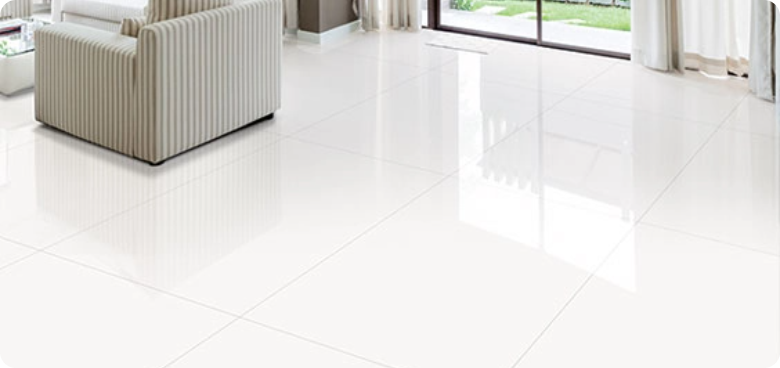
Glazed or polished ceramic tiles become slippery when wet, a genuine safety concern for bathroom floors and commercial kitchen areas. This is not a flaw in the material itself but a consequence of choosing the wrong finish for the application. Matte and textured finish ceramic tiles with an R10 or above slip resistance rating eliminate this risk.
The rule is straightforward: glossy finishes belong on walls and dry floors; matte or textured finishes belong on bathroom floors, kitchen floors, and any commercial surface where wet conditions are expected.
3. Grout Lines Require Maintenance
The grout between ceramic tiles can accumulate dirt, staining, and, in high-moisture environments, mold, particularly with standard cement grout. In homes and commercial spaces that don’t use waterproof epoxy grout, grout lines in bathrooms and kitchens need periodic re-sealing and cleaning to stay hygienic and presentable.
Using epoxy grout during installation eliminates most of this problem. It costs more upfront but removes the ongoing grout maintenance cycle that cement grout requires, making it the right specification for any wet area in Nepal’s climate.
4. Cracking Under Heavy or Uneven Impact
While ceramic tiles are highly durable under normal use, a single heavy, concentrated impact of a dropped cast iron vessel, heavy tools, or furniture dragged across the floor can crack an individual tile. Ceramic is also more susceptible to cracking than vitrified or porcelain tiles if the subfloor beneath it is uneven, has not been properly leveled, or develops structural movement over time.
The solution is correct installation: proper subfloor preparation, the right tile adhesive, and choosing thicker tiles (8–10 mm minimum) for floor applications. Keeping a few spare tiles from the original batch is also practical; individual cracked tiles are easy to replace if you have matching stock.
5. Heavier Than Some Alternatives
Ceramic tiles add significant weight to a floor structure. For upper-floor installations in older buildings, particularly in Nepal, where building standards vary, the structural load capacity should be verified by a professional before specifying ceramic tiles. This is less of a concern in new construction, where floor loading is factored into the design, but worth considering during the renovation of existing buildings.
6. Professional Installation Required
Ceramic tiles cannot be laid correctly without experience, the right tools, and proper surface preparation. Poor installation, uneven adhesive coverage, incorrect grout spacing, or inadequate subfloor leveling lead to cracked tiles, hollow spots, and grout failure within months. The material cost savings from buying ceramic tiles over premium alternatives are easily lost if installation is done poorly.
Always use a qualified tile installer and factor professional labor into your budget from the start.
Where Ceramic Tiles Work Best in Homes?
In residential settings, ceramic tiles are the recommended specification for:
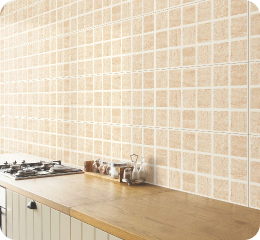
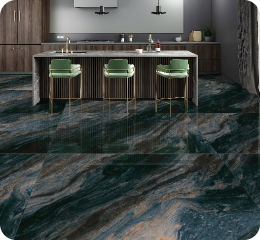
Kitchen floors and walls: In the kitchen, ceramic tiles are often the default choice, and for good reason. They handle heat well, resist stains, and are easy to clean, making them ideal for both floors and walls. Whether it’s a glossy backsplash or a durable floor surface, ceramic tiles cover both functional and design needs effortlessly.
Kajaria Ramesh’s Kitchen Wall Tiles and Kitchen Floor Tiles range covers both glossy backsplash options and durable floor formats.
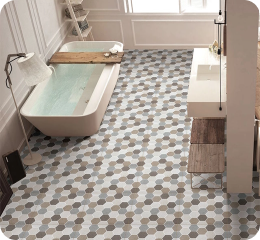
Bathrooms: Bathrooms are another space where ceramic tiles truly stand out. Their water resistance and hygienic surface make them the standard choice for both floors and walls across Nepal. For flooring, matte or textured finishes are especially useful, as they provide the anti-slip performance needed in wet conditions.
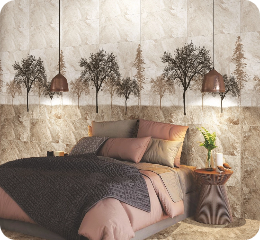
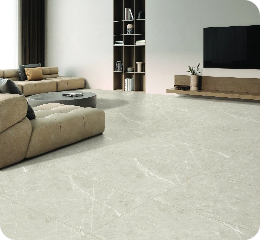
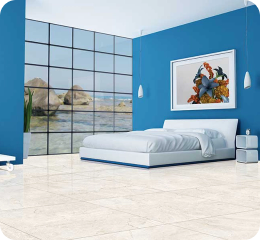
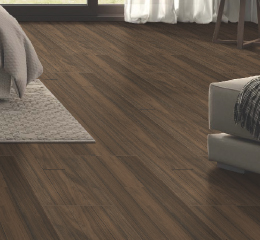
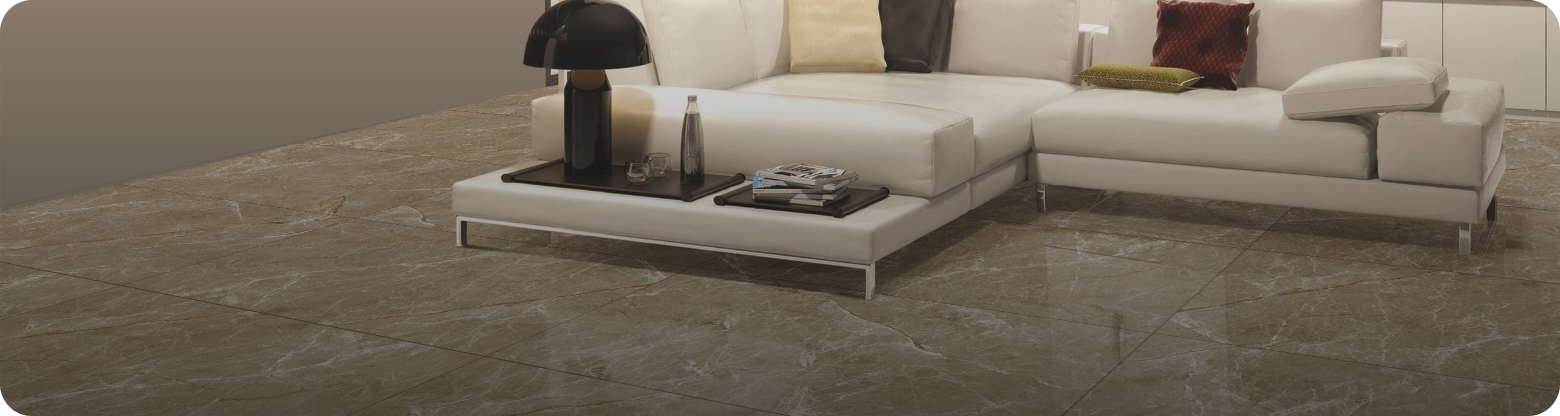
Living rooms and bedrooms: Ceramic tiles also work beautifully in living rooms and bedrooms. Large-format tiles with stone-look or wood-look finishes can create a premium, modern aesthetic. At the same time, they’re far more durable and easier to maintain than options like carpet or laminate, especially in Nepal’s climate.
Where Ceramic Tiles Work Best in Commercial Buildings?
For commercial applications, ceramic tiles deliver in several key environments:
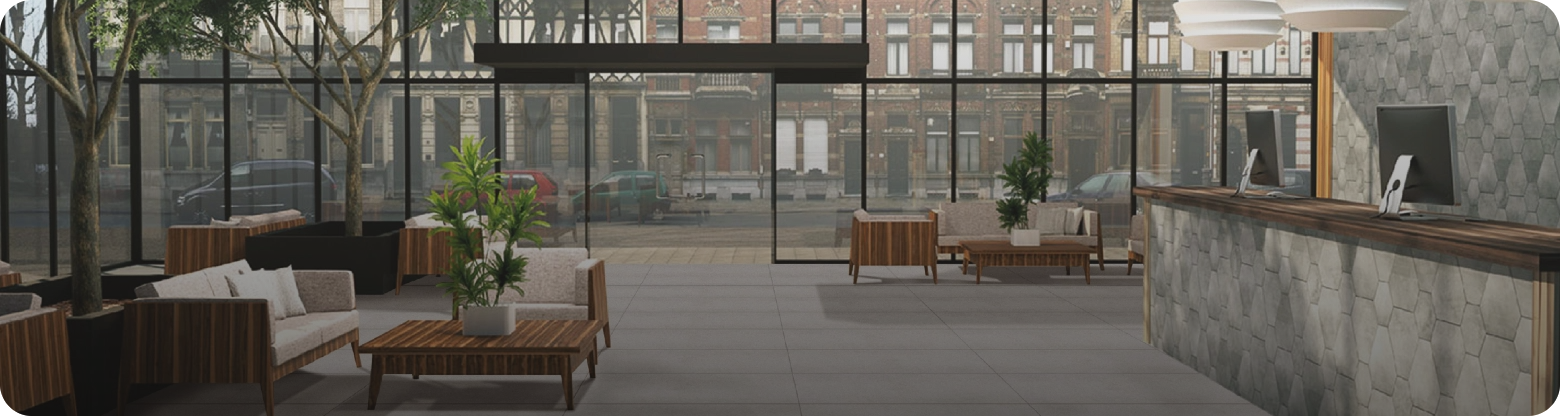
Office spaces: In offices, neutral-tone ceramic floor tiles are a smart choice. They can handle heavy daily foot traffic while still keeping the space looking clean and professional. Plus, they’re easy to clean, which helps keep maintenance costs low across large floor areas.
Retail shops and showrooms: For retail environments, ceramic floors work as a perfect neutral backdrop that lets your products stand out. At the same time, they offer the flexibility to match different brand identities and interior styles without compromising on durability.
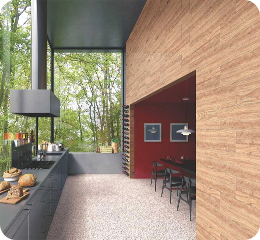
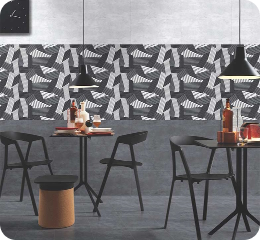
Restaurants and hospitality: In restaurants and hospitality spaces, ceramic tiles are a natural fit. They’re hygienic, resistant to stains and heat, and easy to deep clean, everything you need in a food service setting. You can also enhance the look with feature walls using digital wall tiles to create a strong visual impact in dining or reception areas.
Commercial washrooms and common areas: In high-use areas like commercial washrooms, ceramic tiles are the go-to option. Their water resistance, ability to prevent mold, and tolerance for strong cleaning products make them a low-maintenance and reliable choice, especially in busy commercial buildings across Nepal.
Explore Kajaria Ramesh’s full range of Commercial Space Floor Tiles and Commercial Wall Tiles for specifications suited to Nepali commercial projects.
What to Consider Before Buying Ceramic Tiles in Nepal?
Match the finish to the application: Glossy finishes work well on walls and low-traffic floors. Matte and textured finishes are the correct choice for bathroom floors, kitchen floors, and any commercial surface where wet slip risk is present.
Check the tile’s PEI wear rating: Residential low-traffic areas need a minimum PEI 2–3. Commercial floors require PEI 4 for moderate traffic and PEI 5 for heavy-traffic environments like retail floors or restaurant dining rooms.
Buy 10–15% extra: Cutting waste and future repairs both consume tiles. Running short mid-project and finding the production batch discontinued is avoidable; always over-order.
Use waterproof grout in wet areas: Epoxy grout is the correct specification for bathroom and kitchen floors in Nepal’s monsoon climate. Standard cement grout absorbs moisture over time, leading to mold and grout failure.
Why Kajaria Ramesh Tiles for Nepal
Kajaria Ramesh tiles is Nepal’s largest tile manufacturer, and their ceramic tile range is manufactured to international quality standards with Nepal’s specific conditions in mind. Every tile is produced with consistent sizing, color, and finish quality, which reduces wastage and installation complications on large projects.
The NS Quality Award 2026 recognition confirms that Kajaria Ramesh’s tiles meet Nepal’s national quality benchmarks, an important assurance for homeowners and commercial developers making long-term infrastructure investments.
Use the Kajaria Tile Finder to filter by room, size, and finish, and shortlist the right ceramic tiles for your specific project before visiting a dealer.
Conclusion
Ceramic tiles earn their place in both homes and commercial buildings in Nepal because they deliver on every practical requirement: durability, hygiene, moisture resistance, heat resistance, low maintenance, and design flexibility at a price point that makes them accessible across project budgets. No other tile material covers the same range of applications as reliably or as cost-effectively.
Whether you are tiling a family bathroom in Lalitpur, a restaurant kitchen in Pokhara, or an office lobby in Kathmandu, ceramic tiles are a specification that will perform for decades without demanding specialist maintenance or periodic replacement.
FAQs
1. Are ceramic tiles good for bathroom floors in Nepal?
Yes, with one condition: always choose matte or textured finish ceramic tiles for bathroom floors. Glossy ceramic tiles become slippery when wet. Matte finish ceramic tiles with an R10 or above slip resistance rating are the correct specification for wet bathroom floors in Nepal.
2. What is the difference between ceramic and vitrified tiles?
Ceramic tiles are made from clay and carry a fired glaze finish. They are ideal for walls and low-to-medium traffic floors. Vitrified tiles are denser, less porous, and harder, making them better suited for high-traffic commercial floors and wet areas where maximum durability is required.
3. Can ceramic tiles be used in commercial kitchens?
Yes. Ceramic tiles are heat-resistant, stain-resistant, hygienic, and tolerate aggressive cleaning products, making them well-suited for commercial kitchen walls and lower-traffic floor areas. For high-traffic commercial kitchen floors, heavy duty vitrified tiles are the stronger specification.