


Why Commercial Space Needs Different Tile Designs in Nepal
When you walk into a well-designed office lobby, a hotel reception, or a busy restaurant in Kathmandu, the flooring tells you something immediately: this space was built for volume, not just for looks. Commercial space tiles in Nepal have to do far more than look good. They have to survive thousands of footsteps a day, hold up through Nepal’s humid monsoon months, and still project the kind of quality that builds confidence in customers and clients.
That’s exactly why selecting tiles for a commercial space requires a completely different approach than tiling a home. A ceramic tile that works beautifully in a bedroom will fail within months on a busy office corridor floor. The tile category, finish, thickness, and PEI wear rating all need to match the demands of the specific commercial environment.
This guide explains why commercial spaces in Nepal need purpose-built tile designs, what makes those tiles different from residential options, and how to choose the right tile for each type of commercial environment.
The Core Difference: Commercial vs Residential Tile Requirements
The biggest difference between residential and commercial tiles isn’t just price; it’s performance rating. Commercial spaces in Nepal deal with foot traffic volumes that residential tiles are simply not engineered to handle.
The PEI (Porcelain Enamel Institute) scale rates tile surface durability from 1 to 5. Residential living rooms typically need a PEI 3 rating. Restaurants and retail stores require PEI 4. Shopping malls, hospitals, hotel lobbies, and high-traffic corridors need PEI 5, the highest rating for the heaviest use.
Using under-rated tiles in a commercial space leads to surface wear, fading, chipping, and eventual cracking, all of which require expensive replacement while the business is still operating. Getting the specification right from the start protects both the investment and the daily operation of the space.
Traffic Volume and Durability: Why Standard Tiles Fall Short
A residential home might see 30–50 footsteps across a given floor area in a day. A busy restaurant in Thamel or a bank branch in New Road can see that the same floor absorbs thousands of steps every hour during peak times. Add to that the weight of furniture, trolleys, supply deliveries, and cleaning equipment, and it becomes clear why commercial floor tiles need significantly greater structural density.
Heavy duty vitrified tiles are the correct specification for most commercial floors in Nepal. They’re engineered with enhanced abrasion resistance that standard glazed vitrified tiles don’t carry. The denser composition handles impact, resists surface wear from repeated foot traffic, and maintains its finish far longer under commercial loading conditions.
For areas like hotel corridors, office staircases, and retail shop floors, the 60×60 cm or 60×120 cm format in a Heavy Duty Vitrified finish is the standard choice among architects and interior designers working on commercial projects in Kathmandu. Heavy Duty Vitrified Tiles range is specifically engineered for demanding commercial environments, combining the abrasion resistance of industrial-grade ceramics with surface finishes refined enough for design-conscious interiors.
Safety Requirements Are Higher in Commercial Spaces
In Nepal, commercial spaces have a responsibility to every person who enters the building. Slip and fall incidents are a genuine liability in high-footfall environments, and flooring is the first line of defence.
Anti-slip performance becomes especially critical in:
- Restaurant entrances and kitchen areas — where water and grease spills are constant
- Hotel bathrooms and pool areas — where wet floors are expected
- Office entrances during monsoon season — when wet footwear brings moisture inside
- Retail shop floors — where a mix of surface types creates inconsistent footing
Tiles for these areas need a minimum slip resistance of R10 for interior wet areas and R11 or above for outdoor or consistently wet commercial zones. Matte and textured finishes in the Heavy Duty Vitrified range handle this without sacrificing the professional look that commercial spaces require.
How the Right Tile Design Reflects Your Brand in Nepal’s Commercial Spaces
This is the dimension that separates genuinely well-designed commercial spaces from those that simply meet the functional brief. In a hotel lobby, restaurant, or retail showroom, the tile design is one of the first things a customer notices and it shapes their perception of the brand before they’ve spoken to anyone.
Hotel and Hospitality Spaces: Why Large-Format Tiles Set the Tone
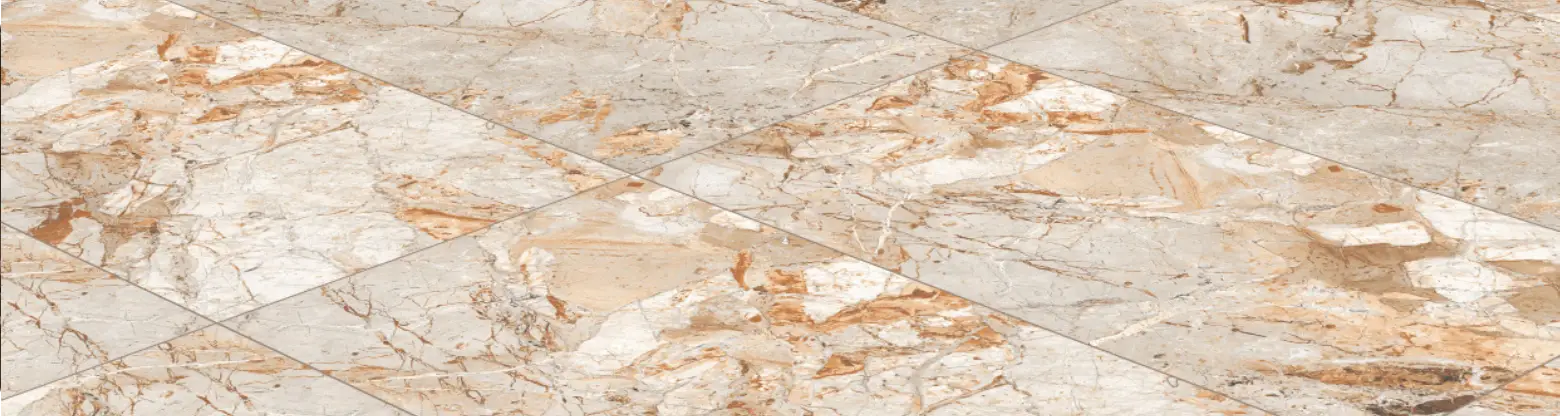
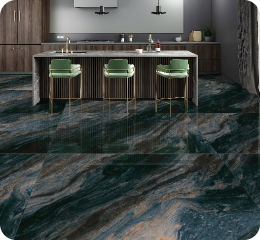
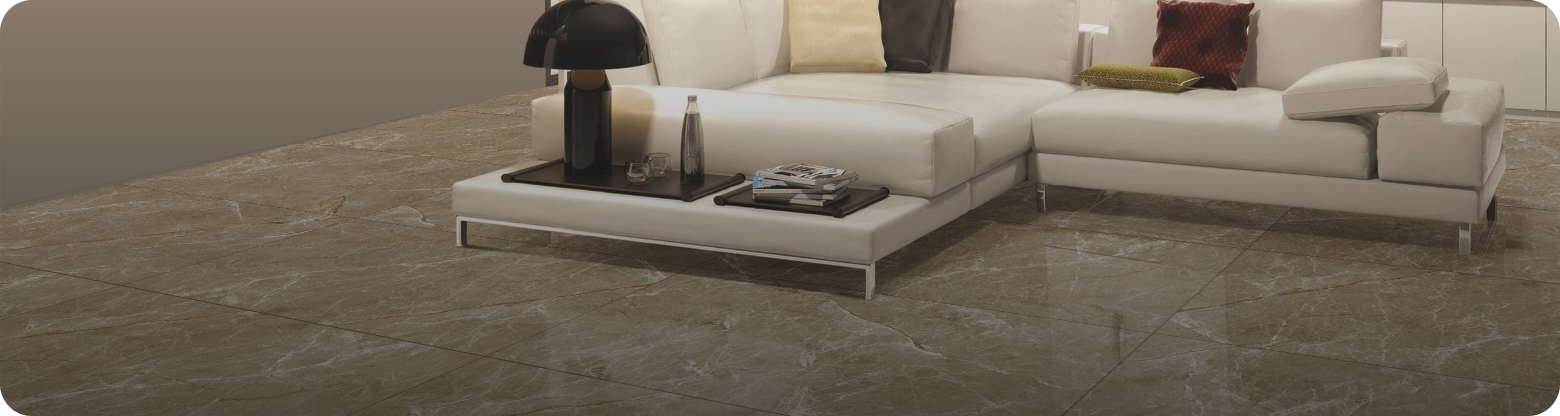
Hotel lobbies in Nepal are increasingly moving toward large-format tiles (60×120 cm and above) in marble-look or stone-look finishes. The reduced number of grout lines creates a seamless, premium appearance that communicates luxury even before the guest has checked in. Kajaria Ramesh’s glazed vitrified and heavy duty vitrified tile collections include several finishes: HD-Polished, Polished, and Carving that deliver this hotel-grade aesthetic at practical commercial pricing.
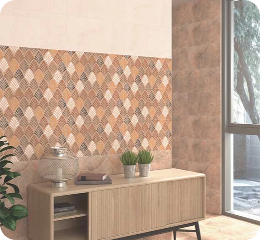
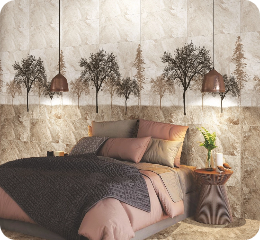
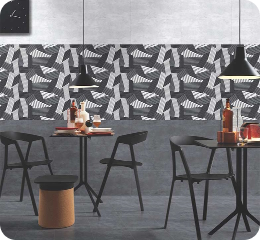
Feature walls in hotel receptions and restaurant dining areas benefit from Kajaria’s Digital Wall Tiles, which use high-resolution printing technology to replicate natural stone, textured surfaces, and architectural patterns with a precision that traditional ceramic tiles cannot achieve.
Office and Corporate Spaces Tile Design: How Neutral Finishes Build Professional Credibility
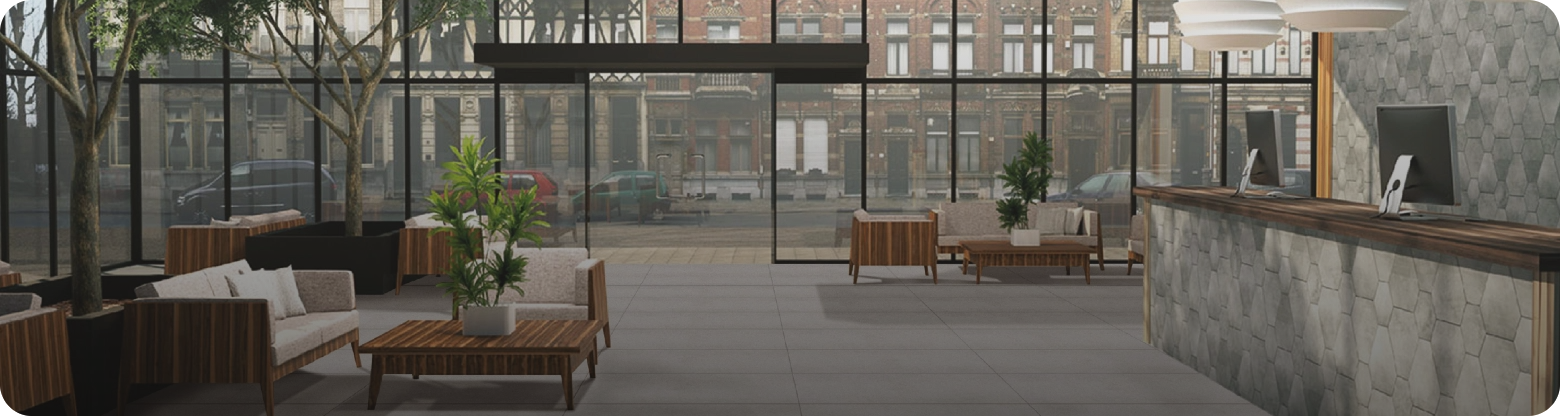
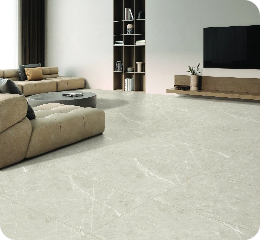
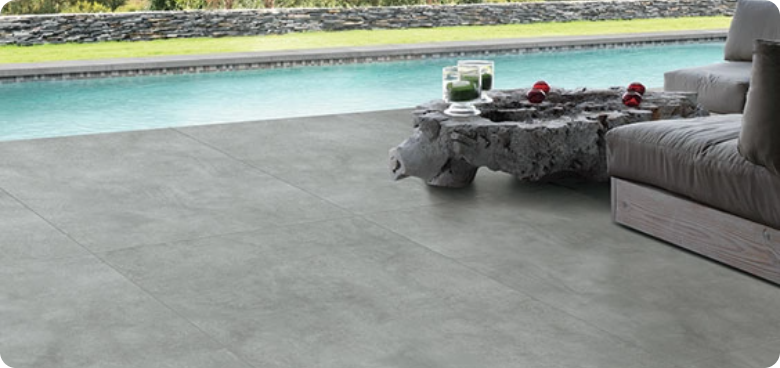
Office tile choices communicate professionalism and focus. Neutral tones, concrete-look tiles, stone-grey finishes, and subtle textured surfaces are the dominant trend in Kathmandu office interiors in 2025–26. These finishes reduce visual noise in work environments while remaining easy to maintain during daily cleaning cycles.
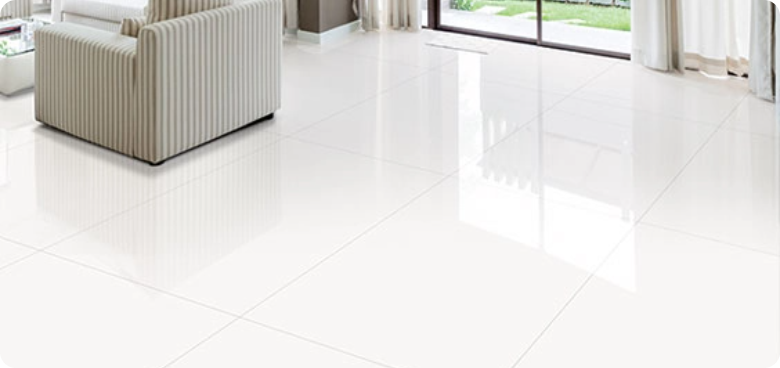
For office lobbies and reception areas where first impressions matter, a polished large-format tile in a neutral palette gives a corporate finish that holds up well under years of use. For open-plan office floors with heavy furniture and chair movement, a Matte finish vitrified tile in the 60×60 cm format provides durability without the slippage risk of a polished surface.
Retail Shops and Showrooms: Choosing Tiles That Let Your Products Speak
Retail environments have a specific challenge: the floor needs to be durable enough for heavy daily foot traffic while also functioning as a visual backdrop for the products on display. Lighter, larger-format tiles keep the customer’s attention on the merchandise rather than the floor. Neutral tones with a subtle sheen, satin or lightly polished finishes are ideal for this balance.
Maintenance Determines Long-Term Cost
In commercial environments, maintenance costs over 10–15 years matter as much as the initial price. A cheaper tile that requires regrouting every two years, or that shows scuff marks after one monsoon season, is always more expensive in the long run than a higher-quality option that holds up without intervention.
For commercial spaces in Nepal, the maintenance calculation is straightforward:
- Glazed vitrified and heavy duty vitrified tiles — highly stain-resistant, easy to clean with standard commercial cleaning products, and do not require sealing
- Natural stone tiles — require periodic sealing, show staining more readily in high-traffic areas, and are significantly harder to replace when damaged
- Standard ceramic tiles — adequate for low-traffic commercial wall applications but not suitable for floors in medium or high-traffic commercial environments
Epoxy grout is the correct choice for all commercial floor tile installations in Nepal. Its resistance to moisture, staining, and bacterial growth, critical during monsoon season, makes the additional cost worthwhile in any commercial context.
Size, Layout, and Visual Scale Matter Differently in Commercial Spaces
The scale of most commercial spaces- hotel lobbies, restaurant dining rooms, corporate offices is substantially larger than any residential room. Tile size and layout choices that work in a home simply don’t translate at a commercial scale.
Large-format tiles (60×120 cm) are the standard for commercial floors because they visually expand the space, reduce the number of visible grout lines, and create the kind of seamless expanse that reads as premium in hospitality and corporate environments. Smaller tiles in large commercial spaces look fragmented and visually busy, which is the opposite of the professional impression most commercial clients are trying to create.
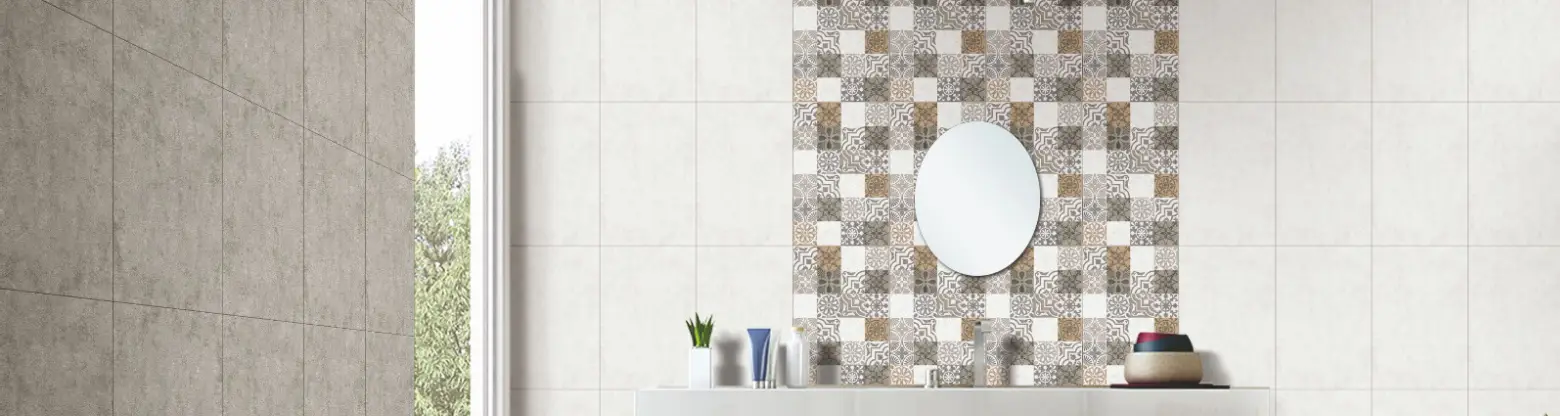
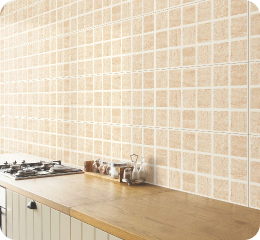
For wall applications in commercial spaces, the Commercial Wall Tiles collection offers formats and finishes specifically curated for larger vertical surfaces, from full-height feature walls in hotel reception areas to practical, easy-clean surfaces in commercial washrooms.
Why Kajaria Ramesh Tiles for Commercial Tile Projects in Nepal?
Commercial tile projects in Nepal require a supplier who can guarantee consistent quality across large volumes, provide the technical specifications that contractors need, and offer products that meet the performance demands of each specific commercial environment.
Kajaria Ramesh Tiles, as the largest tile manufacturer in Nepal, is the most established source of commercial-grade tiles in Nepal. The Heavy Duty Vitrified range is engineered to PEI 4–5 standards. Products are available in the large formats (60×60 cm and 60×120 cm) that commercial projects require. The NS Quality Award 2026 recognition confirms that Kajaria Ramesh’s tiles meet Nepal’s national quality benchmarks.
Explore the full Commercial Space Floor Tiles collection or use the Kajaria Tile Visualizerr to shortlist tiles by size and finish for your specific commercial project.
Conclusion
Commercial spaces in Nepal operate under entirely different physical demands than residential spaces: higher foot traffic, greater safety responsibility, longer maintenance cycles, and a stronger need to communicate brand quality through design. Residential tiles cannot meet these demands reliably. Heavy duty vitrified tiles, large-format glazed vitrified tiles, and purpose-built commercial wall tiles are what the environment actually requires.
Choosing the right commercial tile from the start is not just a design decision; it’s a business decision that affects maintenance costs, safety liability, and the first impression your space makes on every person who walks through the door.
FAQs
1. Which tile is best for commercial floors in Nepal?
Heavy duty vitrified tiles with a PEI 4 or PEI 5 rating are the best choice for commercial floors in Nepal. They provide the abrasion resistance, durability, and low maintenance performance that high-traffic commercial environments require.
2. What is the difference between commercial and residential tiles?
Commercial tiles are engineered to higher durability standards denser composition, higher PEI wear ratings, and greater slip resistance compared to residential tiles. Using residential-grade tiles in a commercial space leads to premature surface wear and higher replacement costs.
3. What tile size is best for a commercial space in Nepal?
Large-format tiles 60×60 cm and 60×120 cm are the standard for commercial floors in Nepal. They reduce grout lines, create a seamless appearance at scale, and are easier to maintain in high-traffic environments.
4. What finish should commercial floor tiles have?
Matte or lightly textured finishes are recommended for most commercial floors because they provide better slip resistance under heavy use. HD-Polished or Polished finishes are suitable for lower-traffic zones like hotel lobbies, where appearance is the priority and wet conditions are controlled.
One Response