


How to Select Durable Tile for Your Home in Nepal?
Picking tiles for your home feels straightforward until you are standing in a showroom surrounded by hundreds of options and no idea where to start. The wrong choice can mean cracked floors, slippery bathrooms, or tiles that look worn out within a few years. The right one? It lasts decades and still looks great.
Nepal’s climate, from the humid Terai to the cooler hills of Kathmandu, puts tiles under real stress. What works in a dry European home does not always hold up here. That makes it even more important to understand what you are buying before you buy it.
This guide walks you through everything: tile types, materials, hardness, finishes, and room-by-room guidance so you can choose durable tiles for your home with confidence.
Start with Tile Placement: How to Choose the Right Tiles Based on Where They Will Be Used
Before comparing materials or finishes, you need to know exactly where the tiles will go. This single decision shapes everything else.
Floor tiles and wall tiles are not interchangeable. Floor tiles can be used on walls, but wall tiles should never go on floors; they are not built to handle foot traffic or the weight placed on them. So map out every area: bathroom floor, kitchen wall, living room floor, outdoor patio, and so on.
Also, ask yourself: is tiling actually the best option here, or would marble or another flooring material serve you better? Once you are clear on placement, the rest of the decisions become much easier.
Key Factors to Consider When Choosing Durable Tiles for Home
1. Tile Material
The material is the foundation of every other property; hardness, porosity, slip resistance, and aesthetics all stem from it. Here are the main options you will find in Nepal:
Ceramic Tiles: Ceramic tiles are made from natural clay fired at high temperatures. They are affordable, widely available, and easy to maintain. However, they have a higher water absorption rate than porcelain, which makes them better suited for dry indoor areas like living rooms and bedroom floors rather than consistently wet spaces. For walls in kitchens and bathrooms, they are a solid, budget-friendly choice.
Vitrified Tiles: Vitrified tiles go through an additional manufacturing process that fuses silica into the clay, making them denser and far less porous than standard ceramic tiles. Their water absorption rate is typically under 3%, which makes them highly resistant to moisture and staining. This is why vitrified tiles are among the best tiles for homes in Nepal, especially for kitchens, bathrooms, and high-traffic living areas.
At Kajaria, our Glazed Vitrified Tiles and Heavy Duty Vitrified Tiles are engineered specifically for durability in demanding conditions.
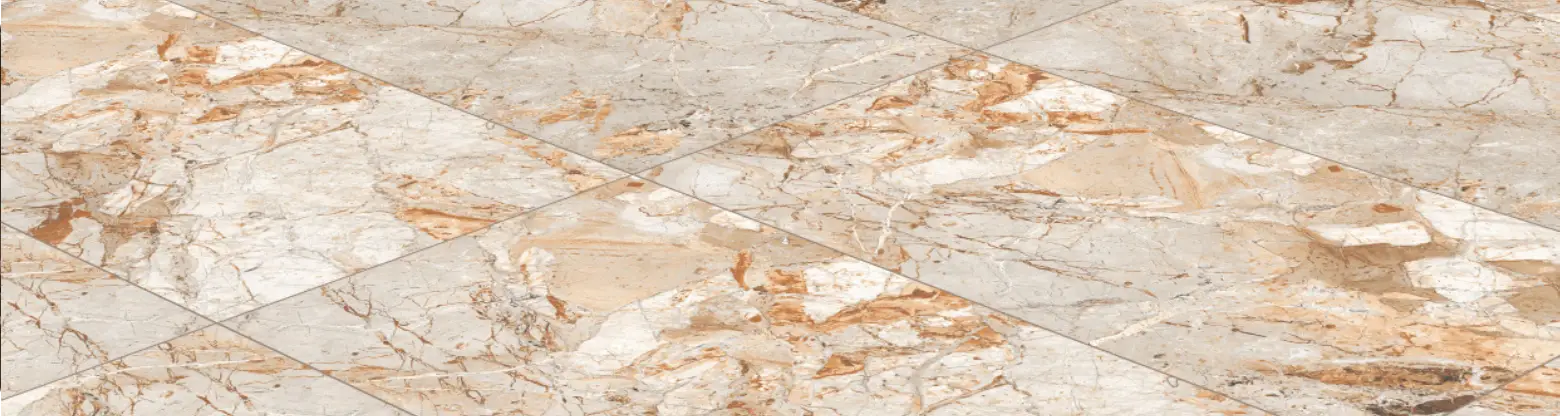
Porcelain Tiles: Porcelain is a type of vitrified tile with a water absorption rate below 0.5%, making it virtually impervious to moisture. It is denser, harder, and more resistant to stains than standard ceramic. Porcelain is ideal for outdoor spaces, hallways, and heavy-use areas. Many porcelain tiles also replicate the look of natural stone or wood without requiring the same level of maintenance.
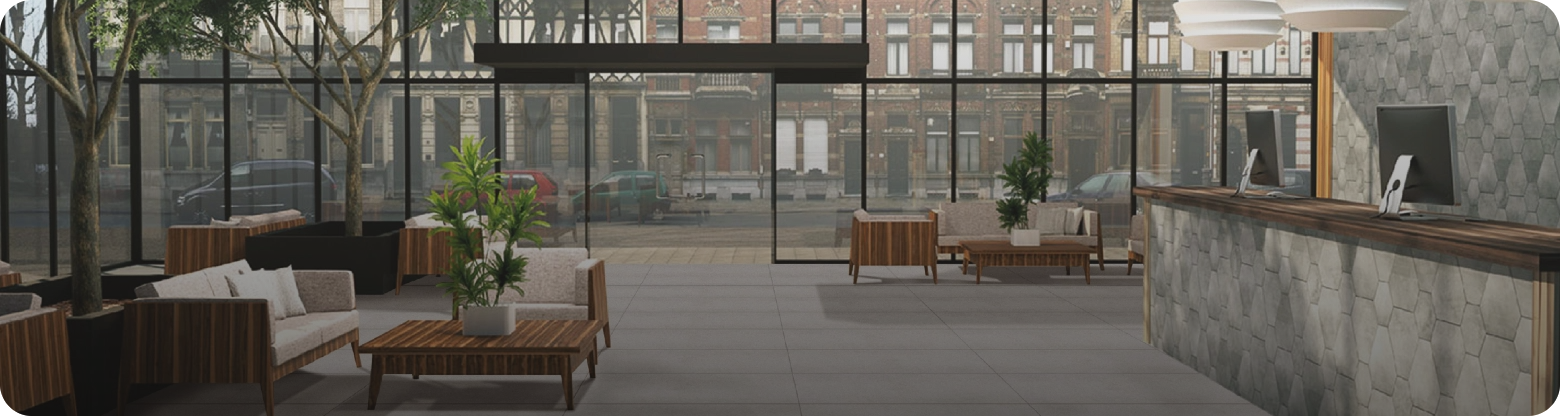
Natural Stone Tiles: Marble, granite, and slate offer a premium, one-of-a-kind aesthetic. Each piece is unique in texture and veining. The trade-off is maintenance — natural stone is porous and needs regular sealing to prevent staining and moisture damage. In Nepal, these are commonly used in hotel lobbies, spa floors, and upscale residential entryways. They work well where visual impact matters most.
2. Tile Hardness: The Mohs Scale and PEI Rating
Hardness determines how well a tile resists scratching and wear over time. Two systems help you evaluate this:
Mohs Scale (Scratch Resistance)
The Mohs scale measures mineral hardness. For tiles, it is translated into five classes:
- Class I: Very soft. Scratches easily. Wall use only.
- Class II: Suitable for low-traffic areas like a private bathroom.
- Class III: Handles moderate foot traffic. Good for bathrooms and residential walls, but not kitchen floors.
- Class IV: The most practical choice for homes. Works in kitchens, bathrooms, living rooms, and basements. Scratch-resistant for everyday use.
- Class V: Designed for heavy commercial use, like shopping malls. Rarely needed in a home setting.
For most rooms in a Nepali home, Class IV tiles are the right call.
PEI Rating (Wear Resistance)
The Porcelain Enamel Institute (PEI) rating system tells you how much foot traffic a tile can handle:
- PEI 1: Wall tiles only; lowest wear resistance.
- PEI 2: Light residential areas without outdoor access.
- PEI 3: Most residential spaces: kitchens, bathrooms, and living rooms.
- PEI 4: High-traffic residential and light commercial areas.
- PEI 5: Heavy commercial and industrial use.
When you visit a showroom, ask for the PEI rating of any floor tile you are considering. A PEI 3 or 4 is appropriate for most homes.
3. Water Absorption and Porosity
Porosity determines how much water a tile absorbs, and that directly affects durability in wet areas. More absorption means more moisture trapped inside the tile, which causes it to degrade faster, especially in Nepal’s humid climate.
Tiles are classified by their water absorption rate:
- Impervious (below 0.5%): Best for kitchens and bathrooms. Porcelain and fully vitrified tiles fall here.
- Vitreous (0.5% to 3%): Acceptable for kitchens and bathrooms, though not as resistant as impervious tiles.
- Semi-Vitreous (3% to 7%): Better suited for low-moisture floors like commercial lobbies or dry living areas.
- Non-Vitreous (above 7%): Wall use only. Not suitable for any floor area.
Always ask the retailer for the water absorption classification. This number matters more than appearance alone when choosing tiles for bathrooms or outdoor spaces.
4. Slip Resistance
Slip resistance is critical, especially in bathrooms, outdoor spaces, and homes with children or elderly family members. It is measured by the Coefficient of Friction (COF). A COF of 0.6 or higher is considered safe for residential floors. For wet areas, look for values above 0.6 or tiles with a textured finish.
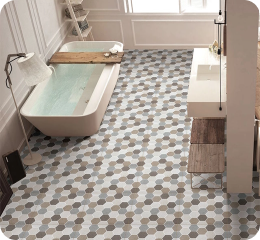
Tile size also plays a role here. Smaller tiles have more grout lines, which increase traction. As a general guideline, tiles larger than 6×6 inches in constantly wet areas like shower floors carry a higher slip risk. Mosaic tiles, pebble stone, and slate work well in shower rooms for this reason.
Here is a quick overview by material:
- Ceramic tends to be smoother and can be slippery when wet. A slip-resistant coating or textured finish helps.
- Slate: Naturally slip-resistant due to its rough texture.
- Pebble Stone: Excellent grip, though not everyone prefers the look.
- Glass and Mosaic: Small size compensates for a smoother surface; well-suited for shower walls and floors.
Room-by-Room Guide to Choosing Durable Tiles for Your Home
Bathroom Tiles for Moisture Resistance and Anti-Slip Safety
Bathrooms need moisture-resistant, non-slip surfaces above everything else. For bathroom floors, go with impervious or vitreous tiles, vitrified or porcelain with a textured or matte finish. Avoid high-gloss tiles on the floor; they become dangerously slippery when wet.
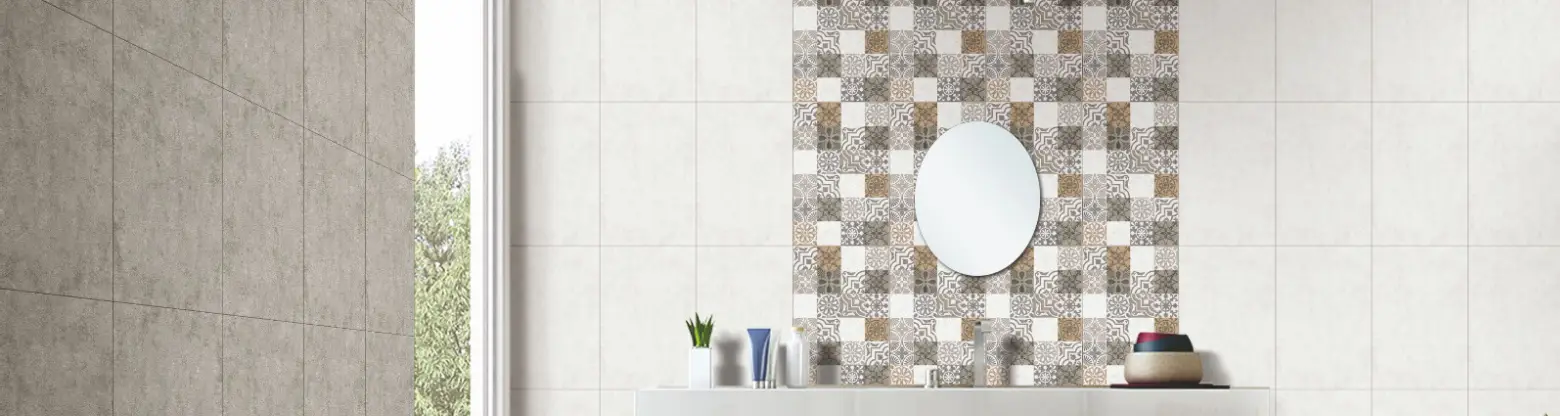
For bathroom walls, you have more flexibility. Ceramic wall tiles work well here since the surface above the floor sees less direct water contact. Gloss or semi-gloss finishes are easier to clean and reflect light nicely in smaller bathrooms.
Best Kitchen Tiles for High Traffic, Heat Resistance, and Easy Maintenance
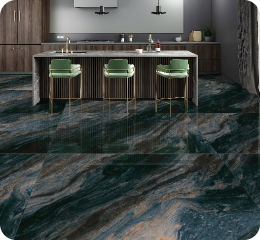
Kitchen floors take a beating: constant foot traffic, dropped items, spills, and heat. Vitrified or porcelain tiles in PEI 3 or 4 are ideal. Matte finishes are a smart choice on kitchen floors since grease makes gloss tiles slippery.
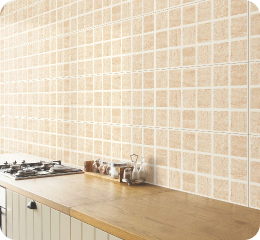
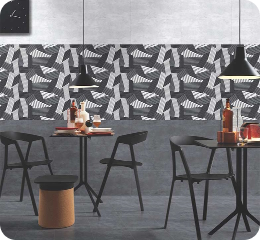
For kitchen walls and splashbacks, gloss ceramic or vitrified tiles are practical and easy to wipe clean. Smaller tile formats like subway tiles or mosaic add character to the space.
Living Room Tile Selection Guide: Balancing Style, Space, and Long-Term Durability
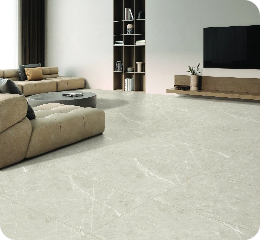
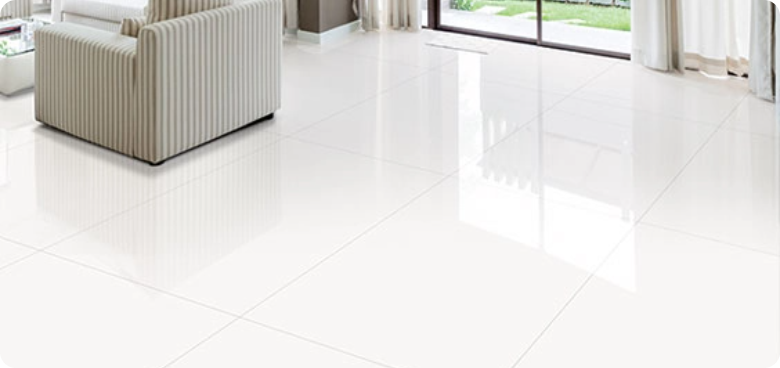
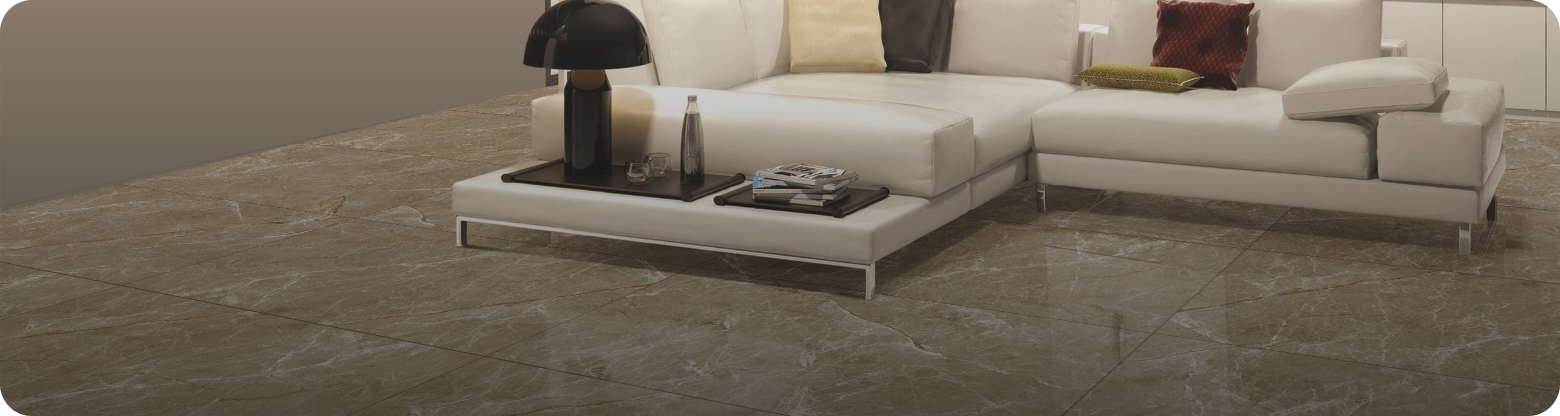
The living room is where aesthetics take priority alongside durability. Large-format tiles such as 60×120 cm or 80×80 cm give the room an open, seamless feel with fewer grout lines. Vitrified tiles in polished or HD-polished finishes add a premium look while remaining easy to maintain.
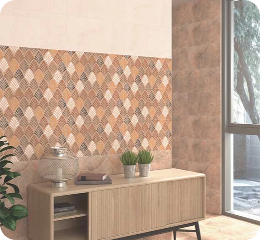
Neutral tones beige, off-white, and light grey are timeless choices that work with most interior styles. If you prefer a bolder look, a single feature wall with patterned or textured tiles can add character without overwhelming the room.
Bedroom Tile Ideas: Comfortable, Warm, and Aesthetic Flooring Options
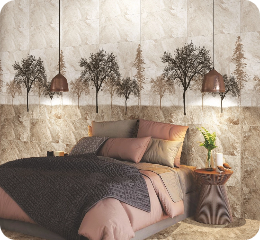
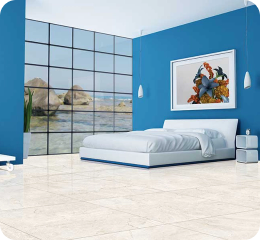
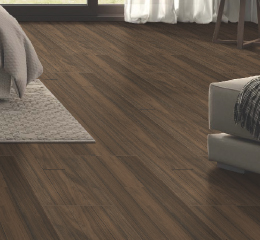
Bedrooms have light foot traffic and no moisture concerns, so the focus shifts to comfort and aesthetics. Matte finish vitrified tiles in warmer tones create a calm, cosy feel. Wood-look tiles are an increasingly popular choice for bedrooms they give the warmth of timber without the maintenance.
Outdoor and Terrace Tiles: Weather-Resistant, Anti-Slip, and Long-Lasting Choices
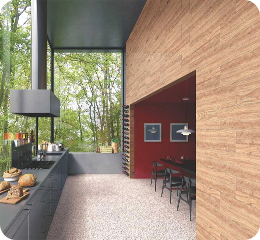
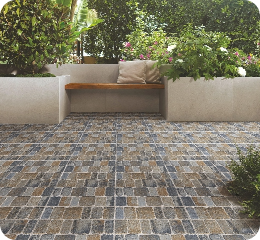
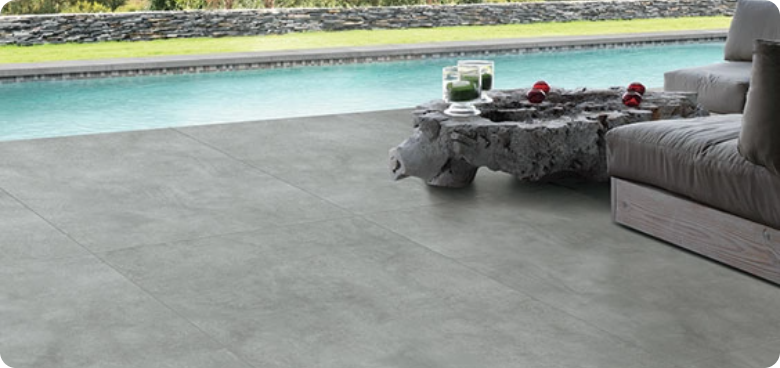
Outdoor tiles face UV exposure, rain, and temperature swings. You need tiles with a low water absorption rate (impervious or vitreous), high COF for slip resistance, and resistance to fading. Porcelain and heavy-duty vitrified tiles work best outdoors. Avoid standard ceramic tiles in outdoor spaces; they absorb water, crack in cold weather, and fade in sunlight.
Tile Finishes: Choosing the Right Finish for Every Space
The finish affects both how a tile looks and how it performs in a space.
| Finish | Best For | Avoid In |
| HD-Polished / Polished | Living rooms, formal spaces | Bathrooms, wet areas |
| Gloss | Walls, kitchens | High-traffic floors, kids’ rooms |
| Matte | Kitchens, bathrooms, outdoor areas | Spaces where light reflection is a priority |
| Carving / Textured | Accent walls, outdoor paths | Areas needing easy cleaning |
| Elevation | Feature walls, exterior facades | Wet or high-traffic floors |
Kajaria’s HD-Polished finish delivers a mirror-like effect with exceptional depth and colour clarity, ideal for living rooms and formal areas. Matte finishes, meanwhile, are durable, slip-resistant, and suit the practical demands of kitchens and outdoor spaces.
Tile Size and Layout
Tile size shapes how a space feels. Larger tiles, 60×120 cm or 80×160 cm, reduce the number of grout lines, making a room feel more open and easier to clean. They work particularly well in living rooms and open-plan areas.
Smaller tiles work better in compact spaces and areas with curves, like shower niches or rounded walls. Mosaic patterns or 30×60 cm tiles add texture and detail where large formats would feel oversized.
Tile orientation also matters. A simple 45-degree diagonal layout can make a room feel larger. Herringbone and stacked patterns add a contemporary edge to kitchens and bathrooms.
Tile Quality Grading: Know What You Are Buying
Tiles are typically graded on three levels:
- Grade 1: Highest quality. Consistent colour, thickness, and surface with no visible defects. Best for residential and premium commercial projects.
- Grade 2: Minor surface imperfections that do not affect structural integrity. Suitable for most residential use.
- Grade 3: Noticeable flaws. Used for rustic or decorative purposes, but not recommended for high-visibility floors.
Always ask for Grade 1 tiles for main living areas, bathrooms, and kitchens. Look for products certified to international standards like ISO or those meeting the NS (Nepal Standard) quality benchmarks. Kajaria Ramesh Tiles recently received the NS Quality Award 2026, reflecting our commitment to manufacturing standards.
Why Choose Kajaria Ramesh for Durable Tiles in Nepal?
Kajaria Ramesh Tiles Limited is a joint venture between Ramesh Corp and Kajaria Ceramics Ltd., India’s number one tile manufacturer. Our manufacturing plant in Nawalparasi has an annual production capacity of 5.2 million square metres, making it Nepal’s largest tile production facility.
Our range covers every need: Glazed Vitrified Tiles, Heavy Duty Vitrified Tiles, Digital Wall Tiles, and Plank Tiles in a wide range of sizes and finishes. Whether you are looking for tiles for a compact Kathmandu apartment or a large commercial space, our Tile Finder tool at Kajaria Ramesh helps you search by size, finish, and room type.
Conclusion
Choosing the right tile becomes much simpler once you break it down by placement, function, and finish. Each space in your home has different demands, from moisture and safety in bathrooms to durability and ease of cleaning in kitchens, and aesthetics in living areas.
By first identifying where the tile will be used, you can avoid common mistakes like using wall tiles on floors or selecting finishes that don’t suit the environment. This approach ensures your tiles not only look good but also perform well over time.
In the end, the best tile choice is one that balances practicality with design. Focus on slip resistance where needed, durability in high-traffic areas, and finishes that match the purpose of the space. Once these basics are clear, selecting styles, colors, and formats becomes a much more confident and straightforward decision, helping you create a home that is both functional and visually cohesive.
FAQs
1. Which tiles are most durable for home use in Nepal?
Vitrified and porcelain tiles are the most durable options for homes. They have low water absorption, resist stains, and hold up well to Nepal’s varied climate.
2. Can I use the same tiles for my floor and walls?
Floor tiles can go on walls, but wall tiles must never be used on floors — they are not built for foot traffic or load-bearing use.
3. What tile finish is best for a bathroom floor?
Matte or textured finishes with a COF above 0.6 are safest for bathroom floors. Avoid polished or gloss finishes on bathroom floors as they become slippery when wet.
4. What size tiles should I use in a small room?
Larger tiles (60×60 cm or 60×120 cm) with fewer grout lines can actually make a small room feel more open. Avoid overly small mosaic patterns in small rooms as they can make the space feel busy.
5. Where can I find the best tiles in Nepal?
Kajaria Ramesh Tiles offers a comprehensive range of wall and floor tiles across Nepal. You can explore the full collection at kajariaramesh.com or visit a dealer near you using the Where to Buy page.