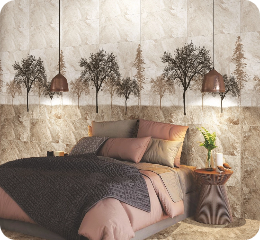


How to Select Different Tile Designs for Kitchen and Bathroom in Nepal
Selecting the right bathroom and kitchen tile design is one of the most important decisions you make during a home build or renovation in Nepal. The tile you choose will outlast your paint, your furniture, and almost everything else in the room, so getting it right from the start saves you money, time, and a lot of regret.
Nepal’s climate adds another layer of complexity. From the humid monsoon months to the dry, cold winters in hilly regions, tiles here face conditions that demand more than just good looks. A tile that works beautifully in a showroom can crack, stain, or become dangerously slippery in a real Nepali home if you haven’t chosen it with function in mind.
This guide walks you through exactly how to choose bathroom tiles design and kitchen tiles design in Nepal, covering material types, finishes, sizes, layout, buying tips, and why Kajaria tiles are the preferred choice for Nepali homeowners who want both quality and lasting style.
Understanding What Each Room Actually Needs
Kitchen and bathroom tiles face very different conditions, and treating them the same is where most homeowners go wrong.
Kitchen Tile Requirements
Your kitchen floor takes a beating every single day: dropped vessels, spilled oil, water, and constant foot traffic. Kitchen wall tiles (especially the backsplash area behind the stove) have to handle heat, grease splatter, and steam.
For kitchen floors, you need tiles that are:
- Dense and non-porous so oil and water don’t seep into the surface
- Stain-resistant because kitchen spills are unavoidable no matter how careful you are
- Durable, capable of handling heavy foot traffic for decades without showing wear
For kitchen walls and backsplashes, the priority shifts. A tile with a smooth, reflective surface wipes down in seconds after cooking, which matters far more than most homeowners realize until they’re dealing with a greasy, difficult-to-clean wall every evening.
Bathroom Tile Requirements
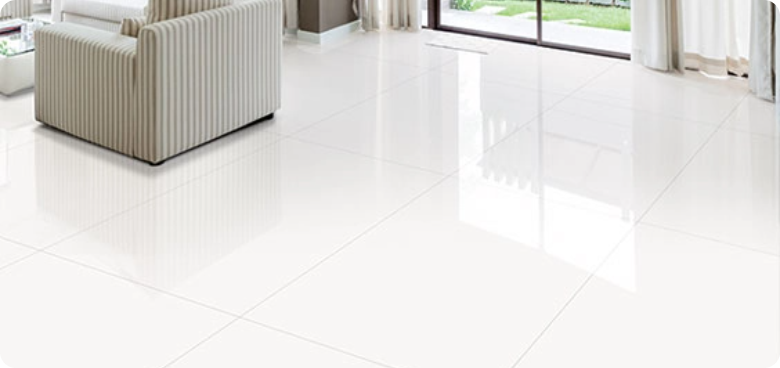
The bathroom has one non-negotiable requirement: safety. Wet floors are the number one cause of domestic injuries, and choosing a polished tile for your bathroom floor is a mistake many Nepali homeowners make. Polished tiles look stunning in photos but become dangerously slippery the moment they get wet.
Beyond safety, bathroom tiles need to handle constant moisture; walls, floors, and ceilings are all exposed to steam and water every day. Tiles that aren’t adequately water-resistant will let moisture seep behind them over time, leading to mold, cracked grout, and loose tiles.
Types of Tiles: Which Material Is Best for Tiles in Nepal?
The best tiles for Nepal depend on your budget, the specific room, and how much maintenance you’re prepared to do. Here’s a clear breakdown of the main materials available in the Nepali market.
1. Ceramic Tiles
Ceramic tiles are the most affordable and widely available option across Nepal. Made from clay fired at high temperatures, they come in an enormous range of colors, patterns, and sizes, making them versatile for almost any interior.
Best for: Kitchen walls, bathroom walls, and lower-traffic areas.
Pros: Cost-effective, easy to cut and install, widely stocked across Nepal, available in hundreds of design options including Kajaria’s digital wall tile range with high-resolution printed patterns.
Cons: More porous than vitrified or porcelain options, so they’re not ideal for high-moisture bathroom floors. They can chip more easily under heavy impact.
2. Vitrified Tiles
Vitrified tiles are currently the most popular flooring choice in urban Nepali homes — and for good reason. They’re created by fusing silica and clay at very high temperatures, resulting in an extremely dense, hard tile with very low water absorption.
Best for: Kitchen floors and bathroom floors.
Pros: Highly durable, stain-resistant, water-resistant, low maintenance, available in large formats (60×120 cm is a popular size in Kathmandu).
Cons: More expensive than ceramic tiles. Fully polished vitrified tiles can be slippery, so always choose matt or textured finishes for bathroom floors.
3. Porcelain Tiles
Porcelain is technically a type of vitrified tile, but it’s denser and even less porous. It’s the premium end of the tile market in Nepal, and it performs exceptionally well in wet, high-traffic environments.
Best for: Wet bathrooms, large kitchen floors, spaces where you want a high-end finish.
Pros: Extremely low water absorption, highly resistant to staining and scratching, available in finishes that convincingly replicate marble and natural stone at a fraction of the cost.
Cons: Higher price point. Heavier than ceramic, which can complicate installation.
4. Natural Stone Tiles (Marble, Granite, Slate)
Natural stone gives a genuinely luxurious look, and it’s certainly used in high-end Nepali homes. However, it requires sealing to prevent staining, and unsealed marble in particular is highly susceptible to water damage, a significant concern in Nepal’s monsoon climate.
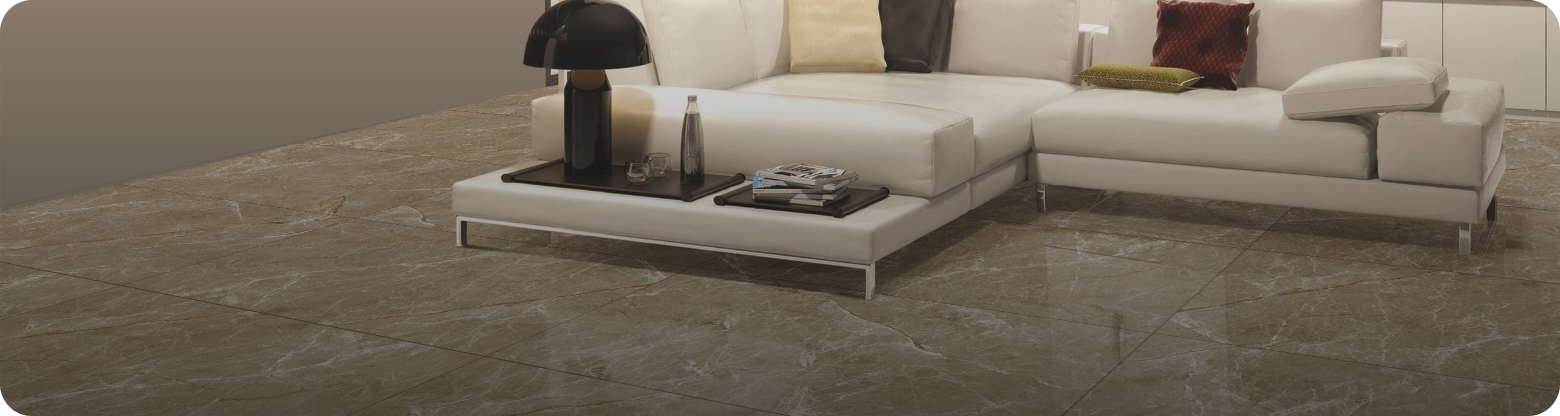
If you want the marble look without the maintenance headache, marble-look porcelain tiles (like Calacatta-finish vitrified tiles available at dealers in Kathmandu) are a much more practical alternative.
How to Choose Bathroom Tiles Design in Nepal?
Knowing how to choose bathroom tiles design comes down to balancing three things: safety, moisture resistance, and aesthetics in that order.
1. Floor Tiles: Prioritize Grip Over Gloss
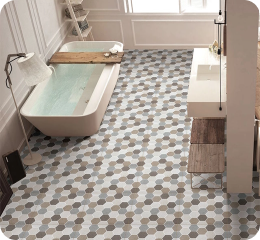
Always select matte or textured finishes for bathroom floors. A tile with a slip resistance rating of R10 or above is the standard recommendation for wet areas. Smaller format tiles (30×30 cm or smaller mosaic tiles) are also a good option for bathroom floors because the increased number of grout lines provides natural grip and helps water drain toward the outlet.
Avoid glossy or polished tiles on bathroom floors entirely, regardless of how good they look in the showroom.
2. Wall Tiles: Glossy Finishes Work Well
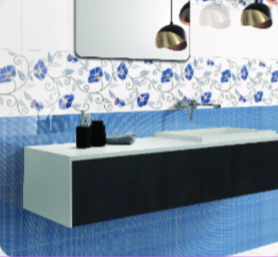
On walls, the safety concern disappears, and glossy or satin finishes become a great choice. They’re easy to wipe down, resist soap scum, and reflect light — which makes smaller bathrooms feel more open and spacious. Popular sizes for bathroom walls in Nepal are 30×60 cm and 30×45 cm.
Dark-colored tiles charcoal, slate grey, deep navy are trending in Nepali bathrooms in 2025-26, especially for feature walls. If you’re going for a dark palette, pair it with lighter floor tiles to keep the space from feeling too enclosed.
3. Grout: Don’t Ignore It
Grout is an afterthought for most homeowners, but in Nepal’s monsoon climate, it’s critical. Use waterproof epoxy grout for bathroom floors. Standard cement grout absorbs moisture and becomes a breeding ground for mold during the rainy season. Epoxy grout is more expensive but lasts significantly longer and stays cleaner.
How to Choose Kitchen Tiles Design in Nepal?
Understanding how to choose kitchen tiles design requires thinking about both function and visual impact, since the kitchen backsplash is often the most visible design feature in the room.
1. Kitchen Floor: Go Vitrified or Porcelain
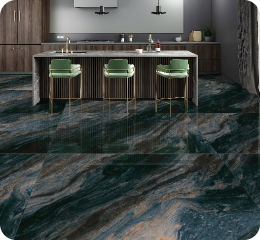
For kitchen floors, stick with vitrified or porcelain tiles in a matte or satin finish. The 60×60 cm or 60×120 cm format is popular for modern kitchens in Kathmandu; larger tiles mean fewer grout lines, which means less dirt accumulation and easier cleaning.
A lightly textured finish on kitchen floors provides enough grip to handle wet spills without sacrificing the clean, modern look most homeowners want.
2. Kitchen Backsplash and Walls: Where Design Can Shine
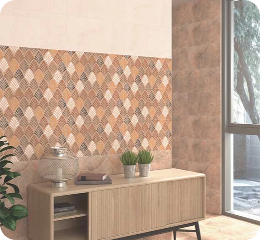
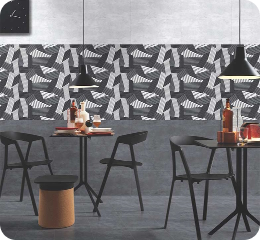
The backsplash is the one area in your kitchen where you can be more expressive with design. Glossy ceramic tiles in geometric patterns, subtle floral motifs, or solid bold colors are all popular choices.
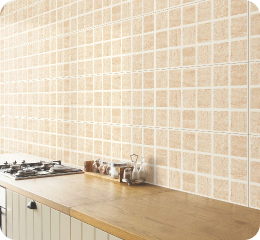
Practically speaking, a glossy backsplash is easy to wipe down after cooking one of the most underappreciated features in a working kitchen. Sizes like 30×60 cm are standard, but 10×30 cm subway tiles are also increasingly popular in contemporary kitchen designs across Nepal.
Tile Size and Layout: How It Affects the Look of Your Space
Tile size directly affects how large or small a room feels.
Large format tiles (60×60 cm and above) reduce the number of grout lines and create a cleaner, more expansive visual. They work beautifully in larger kitchens and master bathrooms.
Smaller tiles give you more design flexibility and are better suited for small bathrooms, feature walls, and accent areas. The extra grout lines also improve slip resistance on floors.
For layout patterns, a straightforward grid layout is the easiest and least expensive to install. A diagonal layout (tiles set at 45°) makes a room feel larger and adds visual interest with no extra material cost. Herringbone patterns work beautifully on backsplashes and feature walls, though they require more precise cutting and a skilled installer.
Practical Tile Buying Tips for Nepal
Here’s a quick, practical guide to help you choose the right tiles in Nepal without overspending or running into common problems during installation.
Always Buy 10–15% Extra
No matter how carefully you calculate, always purchase 10–15% more tiles than your measured area. Cutting waste, breakage during installation, and future repairs all add up. Running out of a tile mid-project and finding the batch is discontinued is a genuinely painful situation.
Visit Physical Showrooms Before Deciding
Tile images online and even on display boards in shops don’t tell the full story. Visit showrooms in Kathmandu (Balkumari, Koteshwor, and Kalanki areas have major tile dealers) and see large panels of tiles in natural light before committing. How a tile looks on a 30×30 cm sample board is very different from how it looks across 10 sq ft of floor.
Check for Color Consistency in Batches
If you’re buying a large quantity, make sure all boxes are from the same production batch. Tile color and texture can vary slightly between batches, and mixing batches across a single floor or wall is a common source of visible inconsistency.
Why Choose Kajaria Ramesh Tiles for Bathrooms and Kitchens in Nepal?
Kajaria Ramesh is the authorized dealer of Kajaria Tiles in Nepal and has become the most trusted name in premium tiles across Kathmandu Valley and beyond.
Here’s why thousands of Nepali homeowners choose Kajaria Ramesh for their kitchen and bathroom tile projects:
World-class manufacturing standards. Kajaria tiles are manufactured using advanced technology that ensures consistent size, finish, and color across every batch, something that significantly reduces wastage and installation errors.
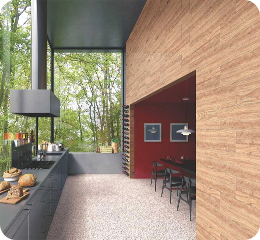
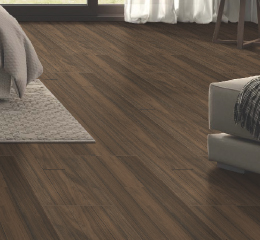
Purpose-built product ranges for Nepal. The product lineup directly addresses what Nepali homes need: Glazed Vitrified Tiles and Heavy Duty Vitrified Tiles for durable flooring, Digital Wall Tiles for expressive kitchen backsplashes and bathroom walls, and Kajaria Plank Tiles (195×1200 mm) for contemporary wood-look applications, all available in Nepal’s most popular sizes and finishes, including Matte, Gloss, HD-Polished, Carving, and Elevation.
NS Quality Award recognition. They received the NS Quality Award in 2026, confirming that their tiles meet Nepal’s national quality standards, an important assurance for homeowners investing in long-term home infrastructure.
Tile Visualizer tool. Before making any purchase decision, homeowners can use the Kajaria Tile Visualizer to virtually test different tile sizes and finishes across kitchen and bathroom layouts, reducing the guesswork that comes with buying tiles without seeing them installed.
Conclusion
Selecting tiles for your kitchen and bathroom doesn’t have to be complicated, but it does require thinking about each room’s function before prioritizing aesthetics. For kitchen floors, go with dense, stain-resistant vitrified or porcelain. For kitchen walls, glossy ceramic tiles are easy to clean and visually impactful.
For bathroom floors, matte or textured anti-skid finishes are non-negotiable. For bathroom walls, glossy finishes look great and wipe down easily.
Factor in Nepal’s monsoon climate, use waterproof epoxy grout in wet areas, buy 10–15% extra to account for wastage, and always visit a showroom before deciding. Do those things, and you’ll end up with a tile installation that looks excellent and performs reliably for decades.
Explore Kajaria Ramesh’s full range of kitchen tiles and bathroom tiles or use the Kajaria Tile Finder to start visualizing your space today.
FAQs
1. Which tile is best for bathroom floors in Nepal?
Matte or textured vitrified tiles with an R10 slip resistance rating are the best choice for bathroom floors in Nepal. Kajaria Ramesh’s Matte and Carving finish bathroom floor tiles are specifically designed for anti-skid performance in wet environments.
2. Which tile is best for kitchen floors in Nepal?
Glazed vitrified in Matte or satin finish, sizes 60×60 cm or 60×120 cm, are ideal for kitchen floors. They’re dense, stain-resistant, and easy to clean after daily cooking.
3. What is the difference between ceramic and vitrified tiles?
Ceramic tiles are made from clay and are more porous, making them best suited for walls and low-moisture areas. Vitrified tiles are fired at higher temperatures and fused with silica, making them denser, harder, and far less water-absorbent, which is why they’re recommended for floors in kitchens and bathrooms.
4. How much extra tile should I buy?
Always purchase 10–15% more than your measured area to account for cutting waste, breakage during installation, and future repairs.
Can I use glossy tiles on bathroom floors?
No. Glossy or HD-Polished tiles become dangerously slippery when wet. Always use Matte or textured finishes with an R10 or above slip resistance rating on bathroom floors.