


Best Tiles for Hotels and Restaurants in Nepal: Buying Guide
The best tiles for hotels and restaurants in Nepal are commercial-grade vitrified or heavy-duty floor tiles that can handle frequent foot traffic, regular cleaning, spills, moisture, furniture movement, and daily wear. For kitchens, washrooms, entrances, and other wet areas, slip resistance should be a priority, while hotel lobbies and dining areas can use large-format vitrified tiles to balance durability with appearance.
Hotels and restaurants require different tile specifications for different areas. A tile suitable for a reception lobby may not be suitable for a commercial kitchen, bathroom, entrance, or service corridor.
In this blog, we will look at the best tile options for different hotel and restaurant areas, key factors to consider before buying, and how to choose the right tiles based on durability, safety, maintenance, and design.
Why Do Hotels and Restaurants Need Commercial-Grade Tiles?
Hospitality flooring works harder than flooring in most homes.
Hotel entrances receive guests throughout the day. Luggage wheels repeatedly move through lobbies and corridors. Restaurant floors deal with chairs being moved, food and beverage spills, cleaning cycles, and continuous customer traffic. Kitchens and washrooms add water, grease, and moisture to these conditions.
This is why commercial tiles in Nepal should be selected according to their intended use rather than appearance alone.
Hospitality projects generally need tiles that offer:
- High resistance to everyday wear
- Suitable slip resistance for the installation area
- Low maintenance requirements
- Easy-to-clean surfaces
- Resistance to stains and moisture
- Compatibility with frequent commercial cleaning
- Designs that suit the hotel’s or restaurant’s interior
- Appropriate strength for the expected traffic level
For a broader explanation of commercial flooring specifications, see the Commercial Space Tiles in Nepal guide.
Which Tiles Are Best for Hotels and Restaurants in Nepal?
There is no single tile that should be installed throughout an entire hotel or restaurant.
The better strategy is to match the tile to the area.
1. Heavy Duty Vitrified Tiles for High-Traffic Areas
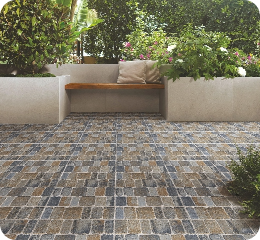
Heavy duty vitrified tiles are particularly relevant for parts of a property that experience repeated footfall and physical wear.
These may include:
- Hotel corridors
- Restaurant entrances
- Service areas
- Staircases
- Busy circulation zones
- Café floors
- Waiting areas
- Other heavily used commercial floors
Their main advantage is durability. A hospitality floor has to withstand more than customers walking across it. Cleaning machines, supply movement, tables, chairs, luggage, trolleys, and equipment can all increase surface wear.
Kajaria Ramesh’s Heavy Duty Vitrified Tiles collection is specifically positioned for areas that experience heavy footfall and wear.
When evaluating these tiles, do not consider strength alone. The surface finish should also suit the location. A busy entrance or service area generally benefits from a matte or textured surface rather than a highly polished surface.
2. Glazed Vitrified Tiles for Lobbies and Guest-Facing Areas
A hotel lobby needs flooring that performs two functions at the same time.
It must withstand frequent traffic while also contributing to the first impression of the property.
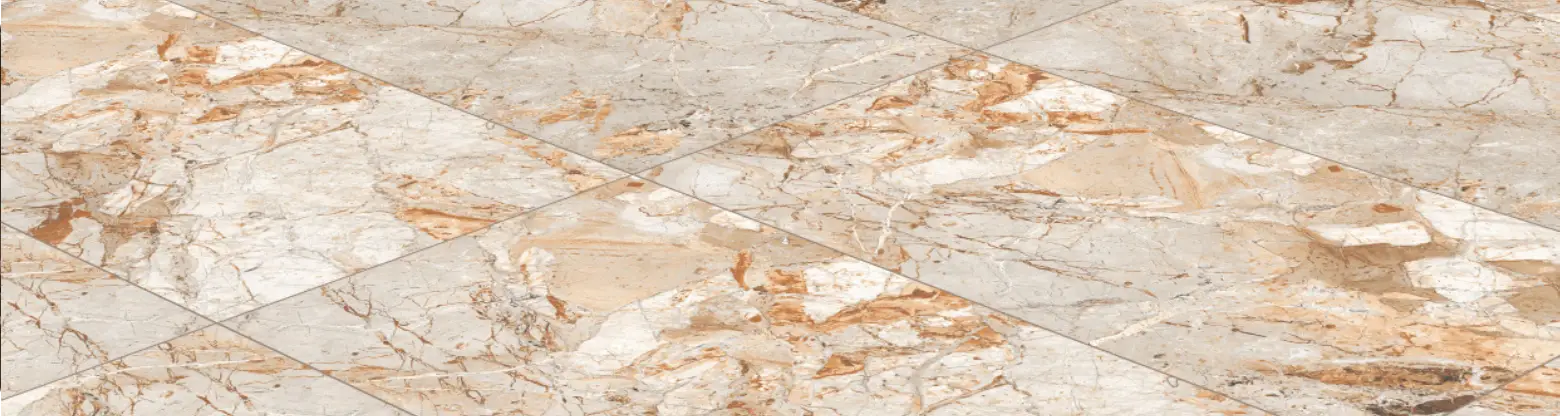
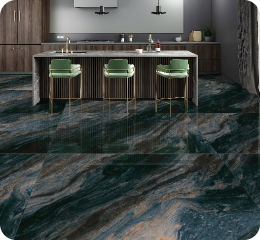
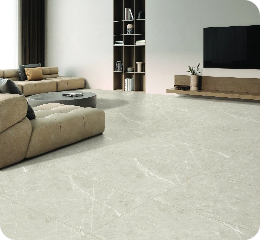
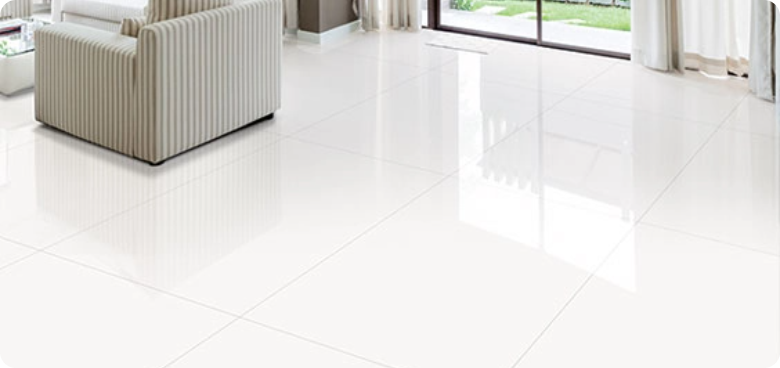
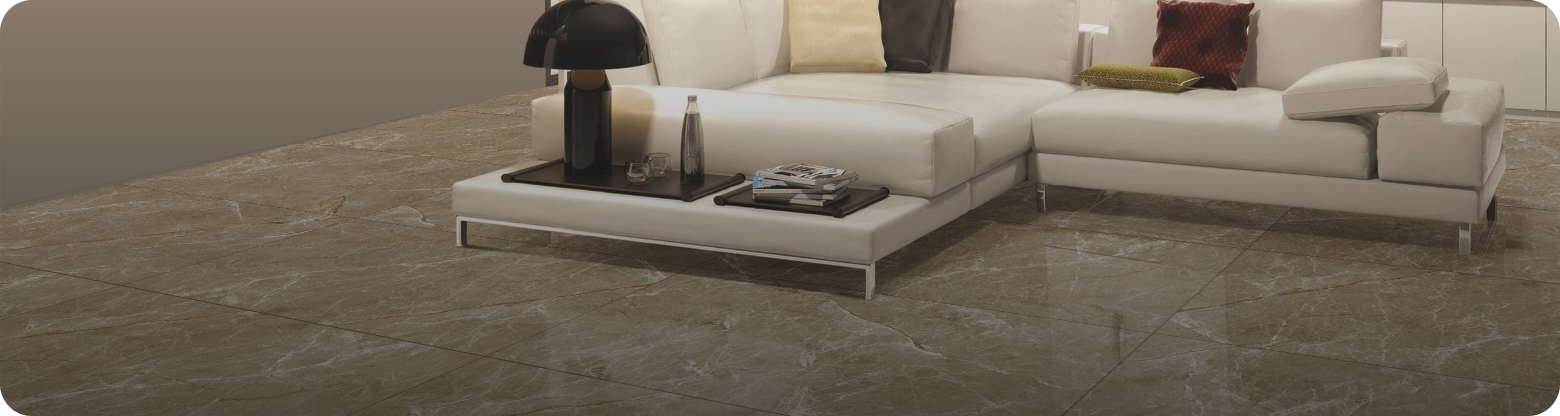
Large-format glazed vitrified tiles work well for this purpose because they are available in finishes that reproduce marble, stone, onyx, and other premium surfaces while providing the practical benefits expected from tile flooring.
Kajaria Ramesh’s commercial floor range currently includes 60 × 120 cm matt, glossy, and high-gloss options in designs such as Calacatta White, Calacatta Imperial, Vista Grey, Nova Beige, Atlas Taupe, Onyx White, and other finishes.
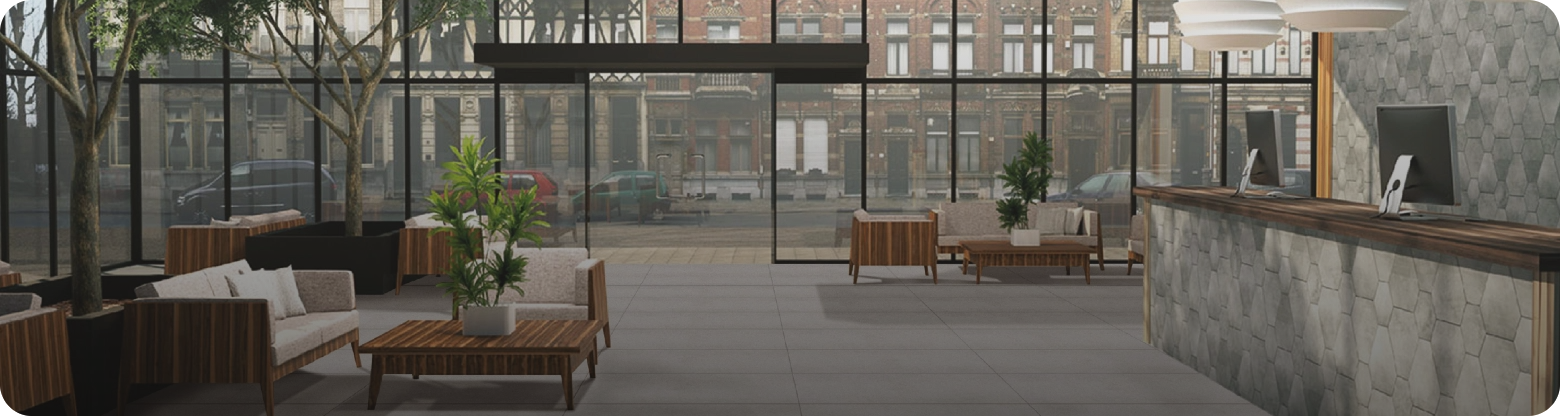
For a hotel reception, large hotel lobby tiles can also reduce the visual interruption caused by excessive grout lines. This can make a large reception or waiting area appear cleaner and more continuous.
Explore the site’s Glazed Vitrified Tiles when comparing available vitrified options.
A polished finish can work in a controlled, dry lobby, but the same finish should not automatically continue into entrances, washrooms, pool areas, or other locations where water may increase slip risk.
Best Hotel Tiles in Nepal by Area
Hotels contain several spaces with very different flooring requirements. Choosing hotel tiles in Nepal zone by zone can improve durability, safety, maintenance, and overall design consistency.
Hotel Lobby and Reception
Recommended characteristics:
- Commercial-grade vitrified tile
- Large format where the layout allows
- Marble-look, stone-look, beige, grey, or neutral designs
- Matt, satin, polished, or similar finish selected according to expected moisture
- Easy-to-maintain surface
Large-format vitrified tiles are particularly practical in spacious receptions because fewer grout lines can create a cleaner visual field.
The site’s Commercial Space Floor Tiles collection includes 60 × 120 cm matt, glossy, and high-gloss options intended for commercial environments including hotel lobbies.
Hotel Corridors
Corridors require more attention to wear than decoration alone.
Guests, staff, housekeeping carts, and luggage repeatedly travel along the same routes. The tile should therefore have strong abrasion and wear resistance.
Good options include:
- Heavy-duty vitrified tiles
- Commercial-grade matt vitrified tiles
- Stone-look tiles
- Neutral grey or beige surfaces that do not show everyday marks easily
Avoid choosing corridor flooring simply because it matches the lobby. A decorative polished tile that works at reception may not be the best technical choice for a heavily used corridor.
Hotel Guest Rooms
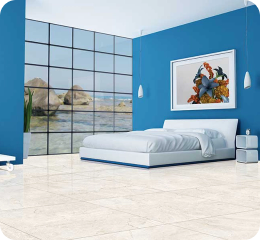
Guest rooms usually experience less traffic than lobbies and corridors, giving designers more flexibility.
Possible choices include:
- Wood-look tiles
- Stone-look vitrified tiles
- Neutral matt tiles
- Large-format tiles with subtle patterns
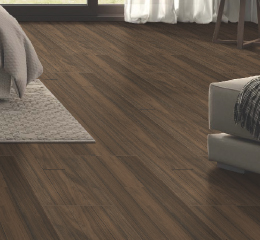
Wood-look tiles can be particularly useful where the interior aims for a warmer appearance without using natural timber flooring.
Hotel Bathrooms
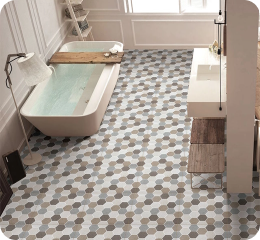
Bathroom flooring should prioritize grip and water exposure.
Look for:
- Matt or slip-resistant floor surfaces
- Suitable water resistance
- Easy cleaning
- Appropriate grout joints
- Tiles specifically rated by the manufacturer for bathroom-floor use
Wall tiles have different performance requirements because they do not carry foot traffic. Ceramic tiles can therefore be a practical option for bathroom walls.
Kajaria Ramesh provides a dedicated range of Ceramic Tiles in matt and glossy finishes that can be considered for suitable wall applications.
Best Restaurant Tiles in Nepal by Area
The requirements of a restaurant floor can change within a few metres.
The entrance deals with outdoor dirt and wet footwear. The dining room needs appearance and durability. The kitchen deals with water, oil, food spills, heat, and frequent cleaning.
For this reason, restaurant tiles in Nepal should be selected according to individual operational zones.
Restaurant Entrance
The entrance is one of the highest-risk areas for incorrect tile selection, particularly when water can be carried indoors during Nepal’s rainy season.
Look for:
- Textured or matt surfaces
- Commercial-grade durability
- Easy cleaning
- Good grip under expected conditions
- Colours or patterns that do not make everyday dust immediately noticeable
Avoid continuing a highly polished dining-room floor directly to an exposed entrance without considering wet-surface performance.
Restaurant Dining Area
Restaurant floor tiles need to combine durability with the atmosphere of the dining space.
Suitable design directions include:
- Marble-look vitrified tiles for premium restaurants
- Wood-look tiles for cafés and casual dining
- Stone-look tiles for natural or contemporary interiors
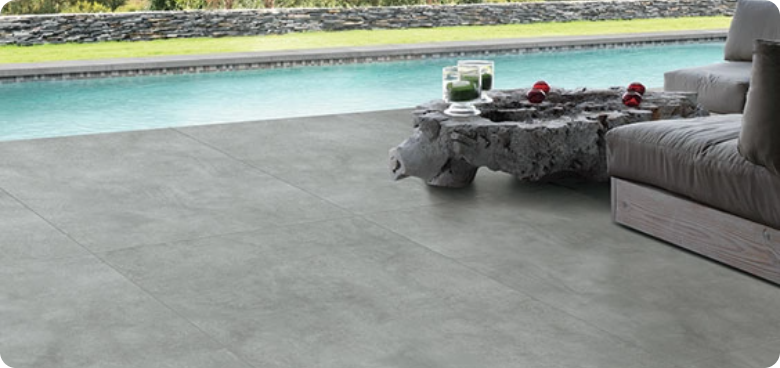
- Concrete-look tiles for industrial spaces
- Neutral large-format tiles for modern restaurants
Chair movement is another factor to consider. Restaurant floors repeatedly experience chairs and tables being moved, so surface durability matters even where customer foot traffic appears moderate.
Commercial Kitchen
A restaurant kitchen should not be treated like the dining room.
Appearance becomes secondary to safety, cleaning, and durability.
Kitchen flooring should prioritize:
- Slip resistance
- Matt or textured surfaces
- Moisture resistance
- Stain resistance
- Easy cleaning
- Strong commercial-grade construction
Food, water, oil, and cleaning liquids can regularly reach the floor. The selected tile should therefore be approved for the intended commercial kitchen conditions.
Wall surfaces have different needs. Easy-clean ceramic wall tiles can be useful in suitable kitchen wall applications because wall tiles do not experience the same structural wear as flooring.
Restaurant Washrooms
Washroom flooring needs good wet-area performance, while walls allow greater freedom with colour, pattern, and finish.
A practical combination is:
- Matt or slip-resistant floor tiles
- Ceramic or digital wall tiles
- Easy-to-clean finishes
- Moisture-resistant grout appropriate to the application
This separates floor performance from wall design instead of forcing one tile type to perform both jobs.
Feature Walls, Reception Walls and Dining Accents
Tiles are not limited to flooring.
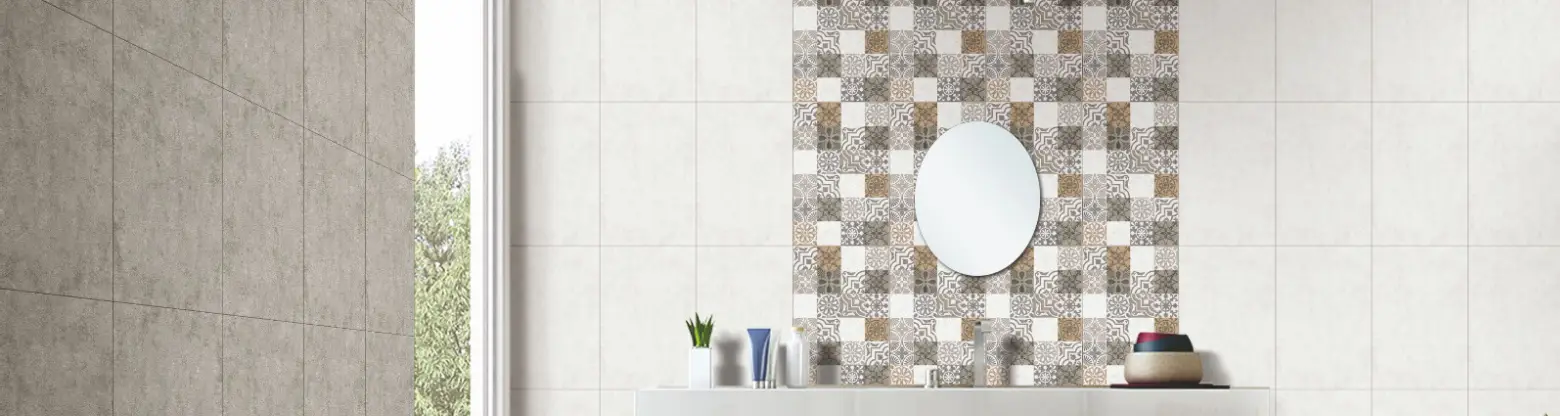
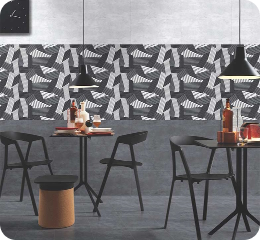
Restaurant feature walls, hotel reception desks, washroom walls, waiting areas, and dining-room accents can use ceramic or digital wall tiles to introduce pattern without affecting the performance requirements of the floor.
Kajaria Ramesh’s Commercial Wall Tiles range includes digital wall tiles intended for commercial interiors.
What Should You Check Before Buying Commercial Floor Tiles?
Finding the best tiles in Nepal for a hospitality project is less about selecting one universal product and more about checking whether a tile’s technical characteristics suit the application.
1. Traffic Level
Start by estimating how heavily each area will be used.
A useful classification is:
Very high traffic
- Main entrances
- Hotel lobbies
- Main corridors
- Busy restaurant floors
- Banquet circulation areas
High traffic
- Dining rooms
- Reception areas
- Café floors
- Hotel lift areas
Moderate traffic
- Guest rooms
- Private dining rooms
- Smaller lounges
The higher the traffic, the more important wear resistance becomes.
For glazed floor tiles, check the manufacturer’s stated wear or PEI classification where applicable rather than assuming every vitrified tile has identical performance.
2. Slip Resistance
Slip resistance should be considered wherever moisture, oil, spills, or wet footwear are likely.
This includes:
- Restaurant kitchens
- Entrances
- Washrooms
- Pool areas
- Outdoor dining spaces
- Service areas
Ask for the relevant slip-resistance specification for the exact tile being considered. Do not assume that a tile is suitable for a wet commercial floor simply because its surface looks textured.
3. Tile Finish
Finish affects both appearance and practical use.
Matt finishes are generally more suitable where grip and understated appearance are priorities.
Glossy and polished finishes reflect more light and can create a premium appearance, making them more appropriate for selected dry, guest-facing areas.
Textured finishes are useful where additional surface grip is required, although deeper textures may require more attention during cleaning.
The goal is not to select one finish for the whole property. Match each finish to the environment.
4. Tile Size
Tile size changes both appearance and maintenance.
Large tiles such as 60 × 120 cm can work particularly well in:
- Hotel lobbies
- Reception areas
- Large dining rooms
- Banquet spaces
- Spacious corridors
They create fewer grout lines and suit the scale of larger hospitality interiors. Kajaria Ramesh currently lists several 60 × 120 cm products within its commercial-floor range.
Smaller formats can be more practical where the floor has many slopes, drains, corners, or changes in level.
Do not select tile size independently of the floor plan.
5. Cleaning and Maintenance
Hotels and restaurants clean floors much more frequently than typical homes.
Before purchasing, consider:
- Whether common stains can be removed easily
- Whether the surface requires special maintenance
- How visible dust, footprints, and water marks will be
- Whether replacement tiles can be sourced later
- How much grout requires maintenance
- Whether cleaning products recommended for the surface are practical for daily use
A tile with a slightly higher initial cost can be more economical if it reduces maintenance and replacement requirements over the life of the floor.
6. Colour and Pattern
Colour affects maintenance as well as design.
Very dark glossy floors may show dust and marks quickly. Very light floors can make certain stains more visible. Highly patterned surfaces may hide everyday marks but can overwhelm a large space.
Hotels and restaurants often benefit from neutral base colours such as:
- Beige
- Grey
- Off-white
- Taupe
- Natural stone tones
- Wood tones
More distinctive patterns can then be introduced through selected walls, reception features, bars, or smaller zones.
7. Installation Quality
Even good commercial floor tiles can perform poorly if they are incorrectly installed.
Commercial projects should account for:
- A properly prepared substrate
- Correct adhesive selection
- Level installation
- Suitable grout
- Movement and expansion requirements
- Drainage and floor slopes in wet areas
- Correct joint spacing
- Extra tiles for future replacement
The tile specification and the installation system should be planned together.
Why Choose Kajaria Ramesh for Hotel and Restaurant Tiles in Nepal?
Kajaria Ramesh, a best tile provider in Nepal, offers tile options suitable for different hotel and restaurant spaces, including lobbies, corridors, dining areas, kitchens, washrooms, and other high-traffic commercial zones. Its range includes heavy-duty vitrified tiles, glazed vitrified tiles, ceramic tiles, and commercial floor and wall tiles, allowing hospitality projects to choose tiles according to traffic, moisture exposure, finish, and design requirements.
For hotels and restaurants, this variety makes it easier to use durable tiles in high-traffic areas while selecting different finishes and designs for guest-facing spaces. Instead of applying the same tile throughout the property, hotel and restaurant owners can select appropriate flooring and wall tiles based on the practical requirements of each area.
Before finalising a design, the Kajaria Tile Visualizer can help you preview different Kajaria tiles and compare how they may look within a space before making a selection. This can be useful when coordinating lobby floors, restaurant dining areas, feature walls, washrooms, and other hospitality interiors.
Conclusion
The best tiles for hotels and restaurants in Nepal are those selected according to the actual conditions of each area. High-traffic floors require durable commercial-grade tiles, wet areas need suitable slip resistance, and guest-facing spaces need to balance appearance with long-term performance.
Heavy duty vitrified tiles are useful for demanding circulation areas, while large-format glazed vitrified tiles can suit hotel lobbies and restaurant dining spaces. Ceramic tiles remain practical for appropriate wall applications, especially where easy cleaning and design flexibility are important.
Instead of specifying one tile throughout the property, divide the hotel or restaurant into functional zones and select the material, finish, size, and performance level required for each. This approach can improve safety, simplify maintenance, and help the finished interior retain its appearance under daily commercial use.
FAQs
1. Which tile is best for a restaurant floor?
Commercial-grade vitrified or heavy-duty vitrified tiles are strong options for restaurant floors because they are designed for repeated traffic and wear. In areas exposed to water, grease, or spills, prioritize a suitable matt or slip-resistant finish.
2. Which tiles are best for a hotel lobby?
Large-format glazed vitrified tiles are a practical choice for many hotel lobbies because they combine durability with marble-look, stone-look, neutral, and other decorative finishes. The final surface finish should be chosen according to traffic and moisture conditions.
3. Are vitrified tiles suitable for hotels?
Yes. Vitrified tiles can be used in many hotel areas when the specific tile’s technical rating matches the application. High-traffic corridors, lobbies, reception areas, guest rooms, and other zones may require different finishes or performance levels.
4. Can ceramic tiles be used in restaurants?
Yes, particularly on suitable wall applications such as washrooms, decorative walls, and selected kitchen walls. For heavily used restaurant floors, a stronger commercial-grade floor tile is generally more appropriate.
5. Are glossy tiles suitable for restaurant floors?
Glossy tiles can work in selected dry areas, but they should not automatically be used in entrances, kitchens, washrooms, or other areas where spills and moisture are common. Check the slip-resistance specification of the exact product before using it on a commercial floor.
6. What tile size is suitable for hotel lobbies?
Large formats such as 60 × 120 cm can work well in spacious hotel lobbies because they reduce the number of visible grout lines and suit the scale of large interiors. The final size should also consider room dimensions, layout, cutting requirements, and installation conditions.