

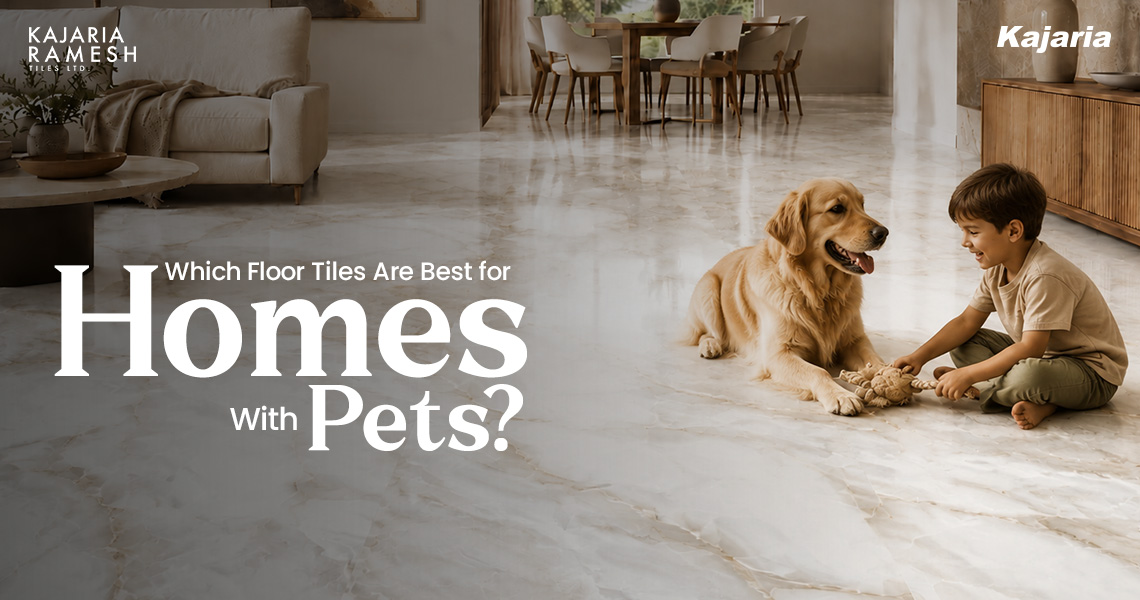
Which Floor Tiles Are Best for Homes With Pets in Nepal?
The best floor tiles for homes with pets are durable, easy to clean, resistant to everyday moisture and stains, and finished with enough grip for pets to move comfortably. For active dogs, multiple pets, or high-traffic areas, heavy duty vitrified tiles are particularly practical. Matte glazed vitrified and suitable ceramic floor tiles are also good options depending on the room and level of use.
The right choice is not based on tile material alone. Finish, surface texture, grout, room use, pet size, and how often your pet moves between indoors and outdoors all affect how practical the floor will be.
This is especially relevant in Nepal, where dust during dry months and muddy paws during the monsoon can increase the cleaning required around entrances, kitchens, living areas, and balconies.
What Makes a Floor Tile Pet-Friendly?
Pet-friendly flooring needs to deal with more than scratches. A household with dogs or cats may regularly encounter fur, water around feeding bowls, muddy paw prints, accidental spills, and frequent movement across the same areas.
Before choosing floor tiles, consider these five characteristics.
1. Resistance to Everyday Wear and Scratches
Pets repeatedly use the same paths between rooms, doors, feeding areas, and resting spaces. Larger dogs and active pets can place even more demand on high-use floors.
A hard, durable floor surface is therefore more suitable than flooring that is easily marked or damaged.
Tile finish matters as well. Fine surface marks generally attract more attention on highly reflective floors, whereas matte finishes are more forgiving of everyday footprints and minor marks. Kajaria Ramesh also positions its matte finish as a durable and slip-resistant option for indoor and outdoor applications.
2. Easy Cleaning
Pet hair, dust, food crumbs, paw prints, and small spills are easier to manage when they remain on the surface rather than becoming trapped within soft flooring.
For routine maintenance, pet-friendly tiles should be easy to sweep, vacuum, and mop.
Cleaning spills promptly is still important. It prevents residue from drying on the surface and reduces the chance of staining around grout joints.
3. Moisture and Stain Resistance
Water bowls can spill. Wet paws can enter after a walk. Puppies and older pets may occasionally have accidents indoors.
Low-absorption floor materials are useful in these situations because moisture is easier to remove from the surface.
The grout should not be overlooked. Even when the tile itself handles moisture well, grout joints may require additional care depending on the grout material used. Spills and pet accidents should therefore be cleaned promptly.
4. Slip Resistance and Traction
A floor that is easy for people to walk on may still feel slippery under paws, particularly when pets accelerate, turn quickly, or walk across a wet surface.
For this reason, matte or lightly textured floor tiles are generally more practical for homes with pets than highly polished surfaces.
Kajaria Ramesh recommends matte finishes for floor applications where better grip is required and offers matte floor designs within its current ranges.
Older dogs or pets with mobility difficulties may need additional support even on a suitable tile surface. Washable rugs or mats can provide extra traction and a softer resting surface in selected areas.
5. Durability for Paw and Foot Traffic
The number, size, and activity level of pets should influence the tile specification.
A quiet home with one indoor cat does not place the same demand on a floor as a household with several large dogs moving regularly between a garden, entrance, kitchen, and living room.
Higher-traffic households should give greater priority to floor tiles designed to withstand repeated wear.
Best Types of Floor Tiles for Homes With Pets
There is no single tile that is ideal for every household. The best option depends on traffic, room use, cleaning requirements, finish, and budget.
For pet-friendly homes in Nepal, three Kajaria Ramesh categories are particularly relevant.
| Tile option | Best suited for | Main advantage |
| Heavy duty vitrified tiles | Active pets, multiple pets, entrances and high-use areas | High durability |
| Matte glazed vitrified tiles | Living rooms, kitchens and modern interiors | Balance of design, durability and maintenance |
| Ceramic floor tiles | Moderate-use areas and budget-conscious projects | Practical maintenance and design choice |
1. Heavy Duty Vitrified Tiles for Active Pet Households
For homes with large dogs, multiple pets, or frequent indoor-outdoor movement, Heavy Duty Vitrified Tiles are one of the strongest options to consider.
Kajaria specifically develops this range for areas exposed to heavy footfall and wear, making it relevant for parts of the home that receive concentrated paw and foot traffic.
These tiles can be particularly useful around:
- entrance areas
- hallways
- kitchens
- utility spaces
- covered outdoor transition areas
- other frequently used floors
For a pet-friendly application, durability should still be paired with the correct surface finish. Where slipping is a concern, choose an appropriate matte or textured floor finish rather than selecting a highly polished surface only for appearance.
Who Should Consider Heavy Duty Floor Tiles?
Heavy duty floor tiles are worth considering when:
- you have more than one pet
- your dog is medium or large
- pets frequently enter from outdoors
- a floor receives constant family and pet traffic
- muddy or wet paws are common
- long-term durability is a priority
They may be more performance-focused than necessary for every bedroom or low-use room, so match the tile specification to the actual area rather than using the same solution everywhere.
2. Glazed Vitrified Tiles for Durability and Design Flexibility
Glazed Vitrified Tiles combine a vitrified body with a decorative surface and are available in a wide range of designs and finishes from Kajaria Ramesh.
They can work well for pet-friendly living rooms, kitchens, dining spaces, and other residential floors where the homeowner wants practical performance without limiting interior design options.
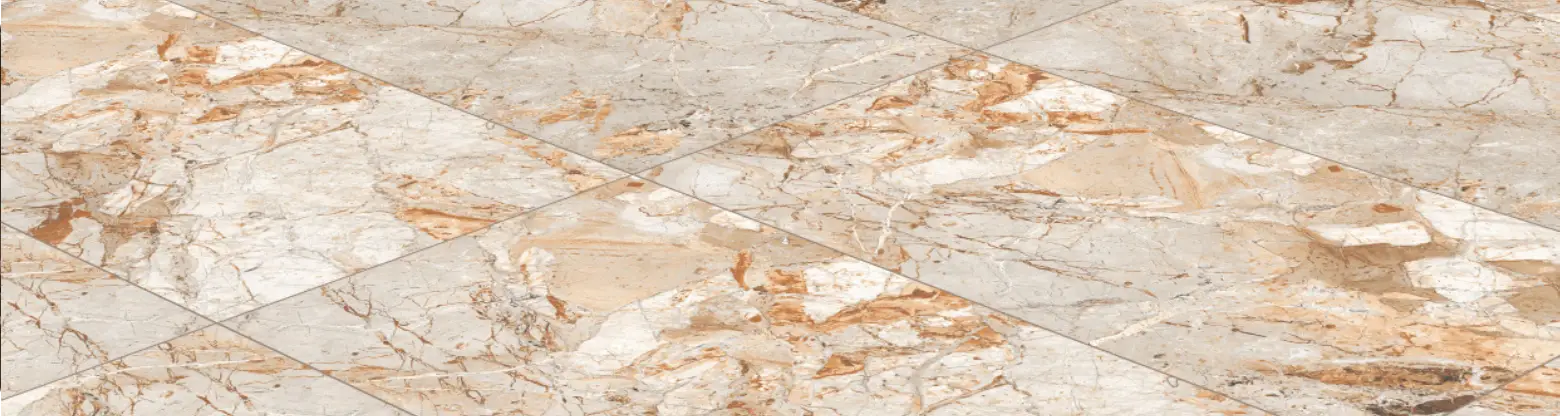
For homes with pets, the finish should be selected carefully. Kajaria Ramesh currently lists matte 60 × 120 cm options such as Calacatta White, Calacatta Imperial, Vista Grey, Nova Beige, and Atlas Taupe in its floor collections.
A matte vitrified floor can provide a useful combination of:
- easier routine maintenance
- better traction than highly polished alternatives
- less visible paw marking than highly reflective surfaces
- a wide choice of colours and designs
3. Ceramic Tiles for Moderate-Use Areas
Ceramic tiles can also be suitable for pet-friendly homes when the product is rated for the intended floor application.
Ceramic tiles are easy to sweep and mop, making them practical where pet hair, dust, food, or occasional spills need regular cleaning. Glazed ceramic surfaces also provide useful resistance to common household stains and moisture.
However, ceramic tiles are not all designed for the same level of traffic.
For a busy hallway used by several pets, a more durable vitrified or heavy duty tile may be preferable. Ceramic floor tiles can be more appropriate for moderate-use rooms where extreme wear resistance is less important.
Always confirm that the selected ceramic product is specified for flooring rather than assuming that a wall tile can also be installed on the floor.
Heavy Duty Vitrified vs Ceramic Tiles: Which Is Better for Pets?
Both can work, but they solve slightly different requirements.
Choose heavy duty vitrified tiles when durability and heavy traffic are the main priorities.
Choose ceramic floor tiles when traffic is moderate and you want an easy-to-maintain floor with broad design flexibility.
For many pet owners, the question is therefore not simply “vitrified or ceramic?” A better question is:
How much daily wear will this particular room receive?
A living room crossed repeatedly by a large dog may require a different specification from a quiet bedroom used by one indoor cat.
What Tile Finish Is Best for Dogs and Cats?
For most pet-friendly floors, matte or lightly textured finishes are more practical than highly polished finishes.
A highly polished floor may look attractive but can offer less traction, especially when wet. This can make rapid movement and turning more difficult for some pets.
Matte finishes provide better grip and are also useful for reducing the visibility of everyday smudges and minor surface marks. Kajaria Ramesh specifically identifies stronger slip resistance as an advantage of matte flooring.
However, do not choose the roughest surface available simply because it has texture. Very deep textures can trap dirt and take longer to clean.
The aim is to find a balance between:
traction + cleaning ease + durability + room suitability.
Are Large-Format Tiles Good for Pet-Friendly Homes?
Large-format tiles can be practical because they create fewer grout joints across the same floor area.
Fewer joints mean fewer lines where pet hair, dust, and residue can collect, which can simplify regular cleaning.
Kajaria Ramesh currently offers several 60 × 120 cm floor options, including matte designs suitable for spaces such as kitchens and living areas.
Large-format tiles still require proper installation on a well-prepared surface. Tile size should therefore be chosen based on both maintenance and room dimensions rather than size alone.
What Tile Colours Work Best in Homes With Pets?
Colour does not determine durability, but it can affect how clean the floor looks between maintenance cycles.
Very dark, uniform floors can make light-coloured fur and dust more noticeable. Very pale floors may show muddy paw prints more clearly.
Mid-tone shades such as:
- beige
- taupe
- warm grey
- stone-inspired tones
- softly varied patterns
can make everyday marks less visually obvious.
The best colour also depends on the pet. If your dog or cat sheds heavily, choosing a floor colour that does not strongly contrast with the pet’s fur can reduce how visible shedding appears between cleaning.
Best Floor Tiles for Different Areas of a Pet-Friendly Home
Different rooms face different pet-related problems, so using one tile specification throughout the entire house is not always necessary.
Living Room
Living rooms usually need a balance of appearance, durability, and comfortable movement.
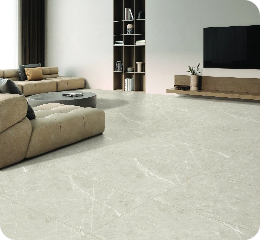
A matte glazed vitrified tile can work well because it provides a durable surface while allowing a wide choice of stone, marble-inspired, and contemporary designs.
For pets that spend long periods resting in the living room, add washable rugs or pet beds to provide a softer surface.
Entrance and Hallway
These are often the hardest-working areas in a home with pets.
Dogs returning from outside may bring:
- dust
- mud
- rainwater
- small particles on their paws
Durable, easy-to-clean heavy duty vitrified tiles with a suitable grip-oriented finish are particularly relevant here.
Kitchen and Dining Area
Pet water bowls, food, cooking spills, and regular human traffic all place additional demands on kitchen floors.
Use tiles that are:
- easy to mop
- suitable for frequent traffic
- resistant to everyday spills
- not excessively slippery
Kajaria Ramesh’s kitchen floor range includes matte options specifically positioned as practical flooring choices.
Balcony and Indoor-Outdoor Transition Areas
If pets regularly move between a balcony, terrace, garden, and indoor floor, prioritize durability and grip.
Matte or textured surfaces are generally more suitable than smooth polished tiles in spaces that may become wet.
Can Dog or Cat Urine Damage Floor Tiles?
Pet urine is less likely to damage a properly installed glazed or vitrified tile surface than absorbent flooring materials, but it should still be cleaned promptly.
The main area requiring attention is often the grout between tiles.
Depending on the grout used, repeated exposure to moisture or pet accidents can contribute to staining or odour retention. Proper installation and suitable grout therefore matter in homes where accidents are likely.
Clean the affected area promptly using a cleaner suitable for the specific tile and grout. Avoid assuming that stronger chemicals provide better cleaning, because unsuitable cleaners can affect some finishes or grout materials.
How to Maintain Floor Tiles in a Home With Pets
Even durable pet-friendly tiles perform better when loose dirt and spills are removed regularly.
Sweep or Vacuum Pet Hair and Grit
Pet hair itself is easy to remove from tile, but small particles of dirt carried indoors should also be cleared regularly.
Sweep with a soft broom or vacuum using a hard-floor setting.
Clean Muddy Paw Prints Promptly
During Nepal’s monsoon, wet mud can quickly spread from entrances into hallways and living areas.
Remove loose mud first, then mop the remaining marks using clean water and a tile-compatible cleaner when required.
Wipe Water and Pet Accidents Quickly
Do not allow liquid to remain around food bowls, grout joints, or corners for long periods.
Prompt cleaning makes stain and odour control easier.
Maintain Grout Lines
Pay attention to grout around feeding areas, entrances, kitchens, and other locations where spills are common.
Grout may require more frequent cleaning than the tile surface itself.
Keep Your Pet’s Nails Trimmed
Regular nail trimming can reduce the amount of scraping caused when dogs run, stop, or change direction across hard flooring.
Use Entrance Mats
A washable mat near doors can capture part of the water, mud, and loose dirt carried indoors before it reaches the main floor.
How to Choose the Best Tiles in Nepal for a Pet-Friendly Home
When comparing the best tiles in Nepal for a household with pets, start with the pet and the room rather than the tile design.
Ask these questions:
- How many pets live in the house?
Several pets generally mean more traffic and cleaning. - How large and active are they?
Larger, active dogs can place more demand on floors than smaller indoor pets. - Does the pet regularly go outdoors?
Indoor-outdoor movement increases exposure to dust, mud, and moisture. - Which room is being tiled?
Entrances, kitchens, living rooms, bathrooms, and bedrooms have different performance requirements. - What finish provides appropriate traction?
Matte or lightly textured floors are generally more practical for pets than highly polished surfaces. - How much maintenance do you want?
Consider not only the tile surface but also grout lines, tile size, and cleaning frequency.
Once these requirements are clear, compare tile materials, finishes, sizes, and designs instead of selecting a floor based only on appearance.
Why Consider Kajaria Ramesh Floor Tiles for a Pet-Friendly Home?
Kajaria Ramesh offers floor tiles across different residential applications along with Heavy Duty Vitrified Tiles, Glazed Vitrified Tiles, and Ceramic Tiles. This makes it possible to select a tile according to the actual level of traffic and maintenance required rather than applying one material to every room.
Pet owners can prioritize:
- heavy duty vitrified options for high-use areas
- matte vitrified surfaces where traction matters
- ceramic floor tiles for suitable moderate-use applications
- large-format tiles where fewer grout lines are preferred
- designs and colours that complement the rest of the interior
The final tile should always be selected according to its specified application, finish, room conditions, and expected traffic.
Conclusion
The best floor tiles for homes with pets are not simply the hardest tiles available. A good pet-friendly floor combines durability, easy cleaning, resistance to everyday moisture and stains, and suitable traction.
For households with large or multiple pets, heavy duty vitrified tiles are particularly useful in high-traffic areas. Matte glazed vitrified tiles offer a strong balance of design, durability, and grip for living spaces and kitchens, while suitable ceramic floor tiles can work well in moderate-use areas.
In Nepal, also consider how dust, monsoon mud, indoor-outdoor movement, room use, and cleaning frequency affect the floor.
Choose the tile according to the pet, the room, and the expected traffic. That approach creates a floor that remains practical for the household without compromising the overall interior design.
FAQs
1. Which floor tiles are best for homes with pets?
Heavy duty vitrified tiles and matte vitrified floor tiles are among the most practical options for homes with active pets because they combine durability with easy maintenance. Suitable ceramic floor tiles can also work well in moderate-traffic areas.
2. Are vitrified tiles good for dogs?
Yes. Vitrified tiles are a practical option for dogs because their dense construction provides a durable floor surface that can handle regular paw traffic. For better traction, choose a suitable matte or textured finish instead of relying only on highly polished surfaces.
3. Are ceramic tiles suitable for homes with pets?
Yes, provided the ceramic tile is designed for floor use and matches the level of traffic in the room. Ceramic floors are easy to sweep and mop, making them useful for pet hair and everyday spills. For very high-traffic areas, heavy duty vitrified tiles may be more appropriate.
4. What tile finish is safest for pets?
A matte or lightly textured floor finish is generally more practical for pets because it provides better traction than a highly polished surface. The exact slip-resistance specification should still be checked for the intended room.
5. Can dog urine damage ceramic or vitrified tiles?
A properly installed glazed ceramic or vitrified tile surface can handle routine moisture well, but pet urine should still be cleaned quickly. Grout joints may be more vulnerable to staining or odours, depending on the grout material and maintenance.
6. Are large-format tiles good for pet owners?
Yes. Large-format tiles can reduce the number of grout joints across the floor, leaving fewer lines where hair and dirt can collect. They can therefore simplify maintenance, although proper installation and room suitability remain important.