


Glossy vs Matte Bathroom Tiles: Which One Should You Choose?
Choosing between glossy and matte bathroom tiles can feel confusing, especially when both finishes look beautiful in their own way. Glossy bathroom tiles reflect light and make the space feel brighter, while matte bathroom tiles offer a softer, more natural look with better grip.
The right choice depends on your bathroom size, lighting, maintenance needs, safety preferences, and overall design style. A finish that works well for bathroom walls may not always be the best option for bathroom floors.
In this guide, we will compare glossy vs matte bathroom tiles in a simple way so you can decide which finish suits your bathroom best.
What Are Glossy Bathroom Tiles?
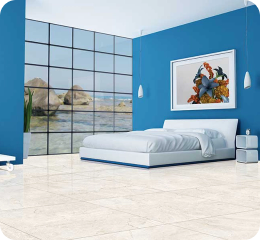
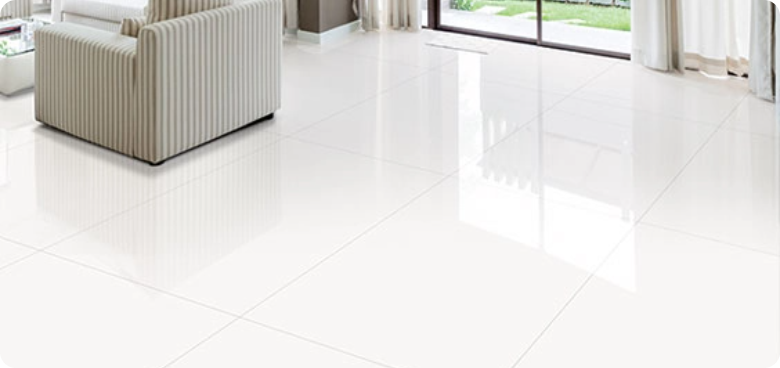
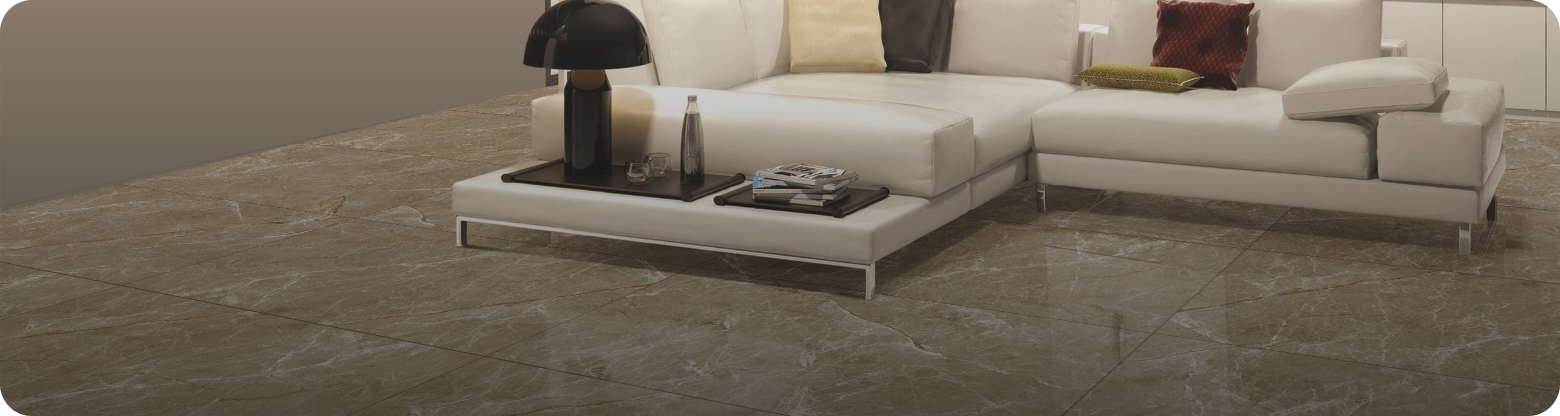
Glossy bathroom tiles have a shiny, reflective surface. They bounce light around the room and create a clean, polished look.
These tiles are commonly used on bathroom walls because they make the space look brighter and more open. If you have a small bathroom or a bathroom with limited natural light, glossy tiles can help the room feel less dull.
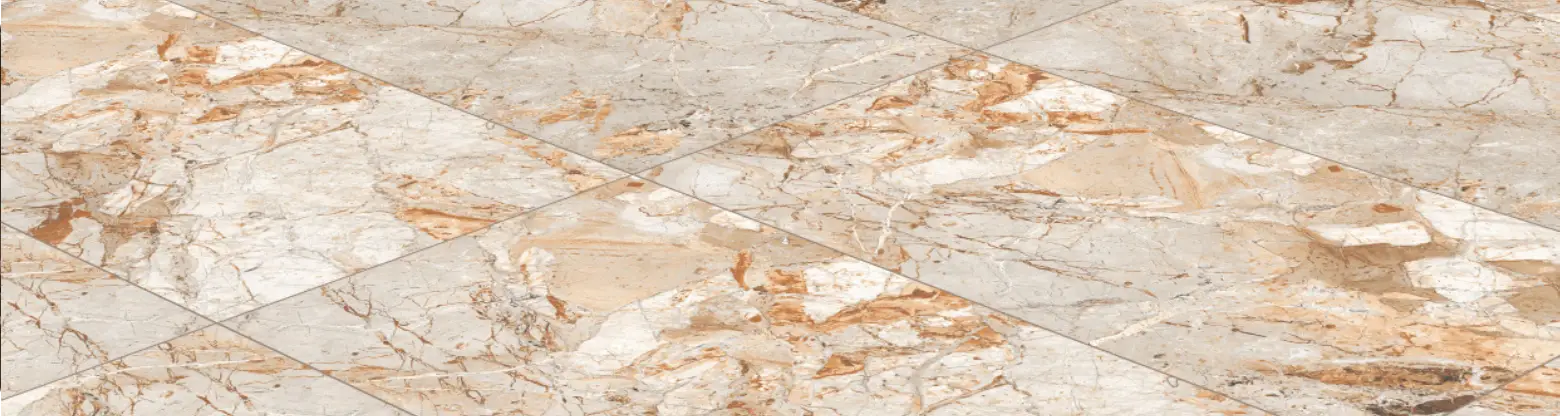
Glossy tiles are available in different designs, including marble-look tiles, plain tiles, patterned tiles, subway tiles, and decorative wall tiles.
What Are Matte Bathroom Tiles?
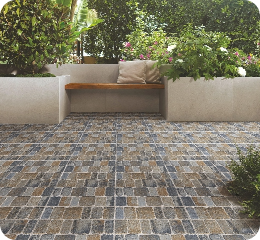
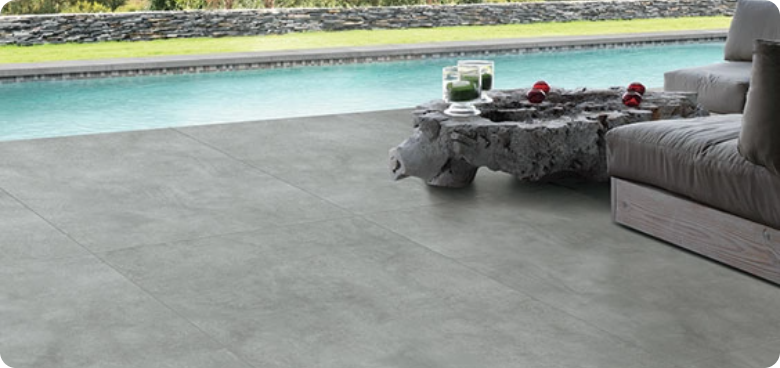
Matte bathroom tiles have a smooth but non-shiny surface. They do not reflect much light, which gives the bathroom a calm, subtle, and modern look.
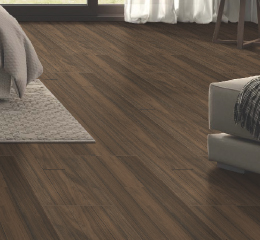
Matte tiles are often preferred for bathroom floors because they usually offer better grip compared to glossy tiles. They also hide water spots, dust, and minor stains better than shiny surfaces.
These tiles work well in modern, minimal, rustic, natural, and spa-inspired bathroom designs.
Glossy vs Matte Bathroom Tiles: Key Difference
The main difference between glossy and matte bathroom tiles is the surface finish.
Glossy tiles are shiny, reflective, and bright. Matte tiles are soft, muted, and less reflective.
Glossy tiles are better when you want a bright and polished bathroom. Matte tiles are better when you want a natural look, better grip, and easier visual maintenance.
Both finishes can be used in bathrooms, but they should be selected based on where they will be installed.
The same finish logic also applies to kitchen spaces, so if you are planning tiles beyond the bathroom, you can also read our guide on glossy vs matte kitchen tiles to choose the right finish for your kitchen walls and floors.
Pros of Glossy Bathroom Tiles
Below are the advantages of glossy bathroom tiles:
1. Makes the Bathroom Look Brighter
Glossy tiles reflect light, which helps make the bathroom feel brighter. This is especially useful for small bathrooms or bathrooms without enough natural light.
If your bathroom feels dark or compact, glossy wall tiles can make a noticeable difference.
2. Creates a Clean and Elegant Look
Glossy bathroom tiles create a fresh, polished, and premium appearance. They are a good option if you want a modern and neat bathroom design.
They work well with white, beige, grey, cream, and marble-inspired tile designs.
3. Easy to Wipe Clean
Glossy tiles have a smooth surface, so soap marks and water splashes can be wiped off easily. This makes them practical for bathroom walls, especially near washbasins and shower areas.
4. Good for Bathroom Walls
Glossy tiles are often a strong choice for walls because they add brightness without creating major safety concerns. Since walls do not need foot grip, the reflective finish works well.
Cons of Glossy Bathroom Tiles
Below are the disadvantages of glossy bathroom tiles:
1. Can Be Slippery on Floors
Glossy tiles can become slippery when wet, especially in bathrooms. That is why they are usually not the best choice for bathroom floors unless the tile is specifically designed with suitable slip resistance.
2. Shows Watermarks Easily
Because of the reflective surface, glossy tiles may show water spots, soap stains, fingerprints, and smudges more clearly.
You may need to clean them more often to maintain their shine.
3. Can Create Glare
In bathrooms with strong lighting, glossy tiles can sometimes create too much reflection. This may make the space feel overly bright or harsh.
Pros of Matte Bathroom Tiles
Advantages of using matte tiles in the bathroom are as follows:
1. Better Grip for Bathroom Floors
Matte bathroom tiles are generally preferred for floors because they offer better surface grip compared to glossy tiles. This makes them a practical option for wet areas.
For families with children or elderly members, matte floor tiles can be a safer choice.
2. Hides Water Spots and Stains Better
Matte tiles do not reflect light as much, so watermarks, dust, and minor stains are less visible. This makes them easier to maintain visually.
They are a good option if you want a bathroom that looks clean without constant wiping.
3. Gives a Modern and Natural Look
Matte bathroom tiles create a calm and elegant appearance. They are perfect for minimal, earthy, spa-like, and contemporary bathroom interiors.
They pair well with wooden textures, stone finishes, neutral shades, and soft lighting.
4. Works Well for Both Walls and Floors
Matte tiles can be used on bathroom floors as well as walls. On walls, they create a subtle and premium look. On floors, they offer better practicality.
Cons of Matte Bathroom Tiles
These are the disadvantages of using matte tiles in the bathroom:
1. Does Not Reflect Much Light
Matte tiles absorb more light compared to glossy tiles. If your bathroom is very small or dark, too many matte tiles may make the space feel slightly closed.
You can solve this by using lighter matte shades or combining matte floor tiles with glossy wall tiles.
2. Textured Matte Tiles May Need More Cleaning
Some matte tiles have a textured surface. While this improves grip, it may collect dirt or soap residue if not cleaned regularly.
Choosing the right texture level is important for bathroom areas.
3. May Look Less Bright Than Glossy Tiles
If you want a shiny, polished, and hotel-style bathroom, matte tiles may feel too subtle. They are better for a soft and natural look rather than a high-shine finish.
Which Is Better for Bathroom Walls?
Glossy tiles are often a great choice for bathroom walls because they reflect light and make the space appear brighter. They also add a clean and polished look to the bathroom.
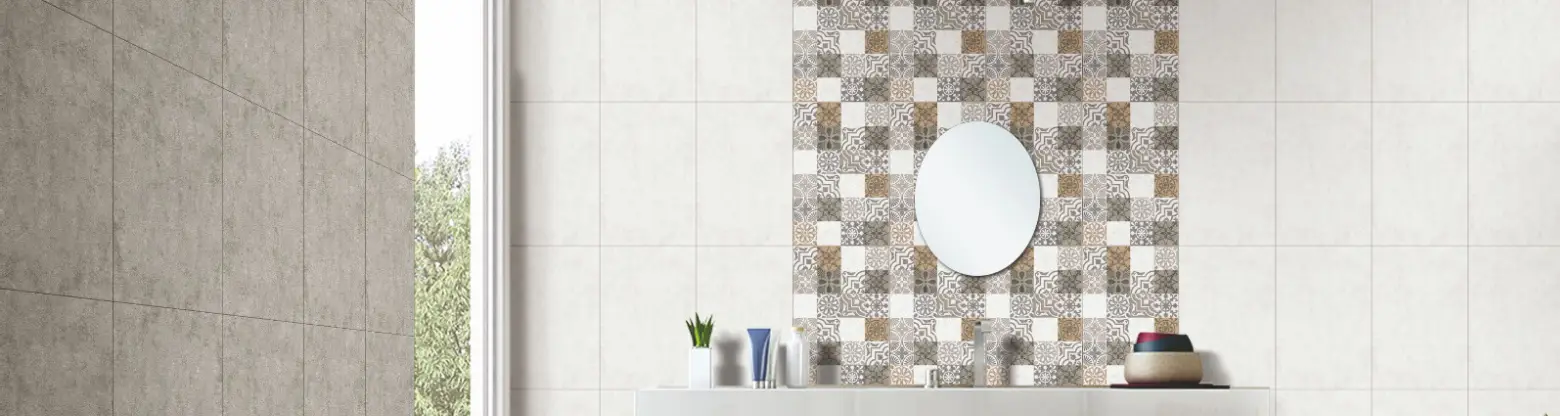
You can use glossy wall tiles behind the washbasin, around the shower area, or across the full bathroom wall for a neat finish.
Matte wall tiles are also a good option if you prefer a calm, elegant, and modern bathroom. They are especially suitable for larger bathrooms or bathrooms with good lighting.
Best choice for bathroom walls: Glossy tiles for brightness, matte tiles for a soft premium look.
Which Is Better for Bathroom Floors?
Matte tiles are usually better for bathroom floors because they offer better grip and reduce the chances of slipping on wet surfaces.
Bathroom floors are exposed to water, soap, and moisture every day. So, safety and practicality should come before shine.
Glossy floor tiles may look attractive, but they can be slippery when wet. If you still prefer a glossy look, choose tiles that are specifically made for bathroom floors and check their slip resistance.
Best choice for bathroom floors: Matte bathroom tiles.
Glossy and Matte Combination: The Smart Choice
You do not always have to choose only one finish. Many beautiful bathrooms use both glossy and matte tiles together.
A popular combination is glossy tiles on the wall and matte tiles on the floor. This gives you brightness on the walls and better grip on the floor.
You can also use matte tiles for most of the bathroom and add glossy tiles as an accent wall. This creates contrast without making the design too loud.
For example:
- Glossy white wall tiles with matte grey floor tiles
- Glossy marble-look wall tiles with matte stone-look floor tiles
- Matte beige floor tiles with glossy decorative tiles behind the washbasin
- Matte neutral walls with glossy mosaic tiles in the shower area
This balance gives your bathroom both style and function.
Glossy vs Matte Bathroom Tiles for Small Bathrooms
For small bathrooms, glossy wall tiles can help make the space look larger and brighter. Since they reflect light, they reduce the feeling of tightness.
However, matte floor tiles are still a better option for safety. A small bathroom floor gets wet quickly, so grip is important.
For a small bathroom, the best combination is usually glossy wall tiles with matte floor tiles.
Choose light colours such as white, ivory, beige, light grey, or soft pastel shades to make the bathroom feel more open.
Glossy vs Matte Bathroom Tiles for Large Bathrooms
Large bathrooms give you more design freedom. You can use matte tiles for a luxury spa-like feel or glossy tiles for a bright and elegant look.
If the bathroom already has enough light, matte tiles can make it feel warm, calm, and premium. Large-format matte tiles also create a seamless and modern appearance.
Glossy tiles can still be used on feature walls, shower walls, or vanity areas to add brightness and contrast.
Maintenance: Which Tile Finish Is Easier to Clean?
Glossy tiles are easy to wipe, but they show marks more quickly. Water spots, soap stains, and fingerprints can become visible, especially on darker glossy tiles.
Matte tiles hide marks better, but textured matte tiles may need more effort to clean because dirt can settle into the surface.
For bathroom walls, glossy tiles are easy to maintain with regular wiping. For bathroom floors, matte tiles are more practical because they look cleaner for longer and provide better grip.
Design Style: Which Finish Looks Better, Glossy or Matte?
The better-looking finish depends on the style you want.
Choose glossy bathroom tiles if you want:
- A bright and polished bathroom
- A clean, modern look
- A luxury hotel-style feel
- A finish that reflects light
- A good option for walls
Choose matte bathroom tiles if you want:
- A soft and natural bathroom look
- Better grip for floors
- A minimal or spa-inspired design
- Tiles that hide water spots better
- A calm and premium finish
Both finishes can look beautiful when used in the right place.
Why Choose Kajaria TILES for Bathroom Tiles in Nepal?
Kajaria is one of the best tile providers in Nepal for homeowners, architects, and designers looking for stylish and durable bathroom tiles. The brand offers a wide range of glossy and matte bathroom tiles, including wall tiles, floor tiles, ceramic tiles, glazed vitrified tiles, and premium large-format designs.
For bathroom spaces, they focus on both design and practicality. You can explore glossy tiles for brighter bathroom walls and matte tiles for safer bathroom floors, making it easier to create a bathroom that looks beautiful and works well for daily use.
They also make tile selection more convenient through their Tile Finder, Tile Visualizer, catalogue, and where-to-buy options. Whether you are planning a small bathroom, a modern apartment bathroom, or a premium hotel-style space, Kajaria Ramesh helps you choose the right tile finish with more confidence.
Conclusion: Glossy or Matte Bathroom Tiles?
If you are choosing tiles for bathroom walls, glossy tiles are a great option because they brighten the space and are easy to wipe clean. If you are choosing tiles for bathroom floors, matte tiles are usually the better choice because they offer better grip and a more practical finish.
For most bathrooms, the best solution is to use both finishes wisely. Choose glossy tiles for walls if you want brightness and matte tiles for floors if you want safety and comfort.
In the end, glossy vs matte bathroom tiles is not about which one is better overall. It is about which one is better for your space, your usage, and your design preference.
FAQs
1. Which is better for bathroom tiles, glossy or matte?
Glossy tiles are better for bathroom walls because they reflect light and make the space brighter. Matte tiles are better for bathroom floors because they provide better grip.
2. Are glossy bathroom tiles slippery?
Glossy tiles can be slippery when wet, especially on floors. That is why matte or anti-skid tiles are usually recommended for bathroom flooring.
3. Are matte bathroom tiles hard to clean?
Matte tiles are not hard to clean, but textured matte tiles may need regular cleaning to remove dirt or soap residue. They hide water spots better than glossy tiles.
4. Do glossy tiles make a bathroom look bigger?
Yes, glossy tiles reflect light and can make a small bathroom look brighter and more spacious, especially when used on walls.
5. Can I use matte tiles on bathroom walls?
Yes, matte tiles can be used on bathroom walls. They create a soft, elegant, and modern look, especially in well-lit bathrooms.
6. Which tile finish is best for bathroom floors?
Matte tiles are generally best for bathroom floors because they offer better grip and are more suitable for wet areas.
7. Can I mix glossy and matte tiles in one bathroom?
Yes, mixing glossy and matte tiles is a smart choice. You can use glossy tiles on the walls and matte tiles on the floor for a balance of style and safety.
8. Which tiles are better for small bathrooms?
For small bathrooms, glossy wall tiles and matte floor tiles work well together. Glossy walls add brightness, while matte floors provide better grip.
9. Do matte tiles look dull?
Matte tiles do not look dull when chosen correctly. They create a soft, premium, and modern bathroom look, especially in neutral, stone, or wood-inspired designs.
10. Which bathroom tiles are easier to maintain?
Glossy wall tiles are easy to wipe clean, but they show watermarks more easily. Matte floor tiles hide marks better and are more practical for daily bathroom use.