


Glossy vs Matte Kitchen Tiles: Which Should You Choose?
Glossy vs Matte Kitchen Tiles: Which Should You Choose?
You’ve finally decided to renovate your kitchen, and the tile samples are spread across the table. Two finishes catch your eye one reflects the light like a mirror, the other sits quietly in understated elegance. Welcome to one of the most debated decisions in home design: glossy vs matte kitchen tiles.
Both finishes have passionate advocates, and the right answer isn’t universal. It depends on how you cook, how you clean, how much light your kitchen receives, and the aesthetic you want to live with every single day.
In this guide, we break down every dimension of this choice so you can walk into your kitchen renovation with complete confidence.
Understanding Glossy vs Matte Kitchen Tiles
Before diving into pros and cons, it’s important to understand what these finishes actually are. Glossy vs matte kitchen tiles refer to the surface texture and light-reflective properties applied during the manufacturing process not the material itself. Both porcelain and ceramic tiles are available in either finish; the difference lies entirely in how the surface glaze is applied and treated.
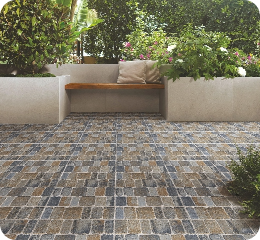
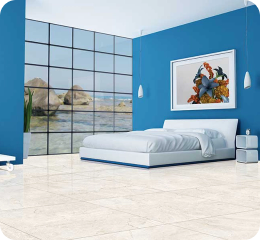
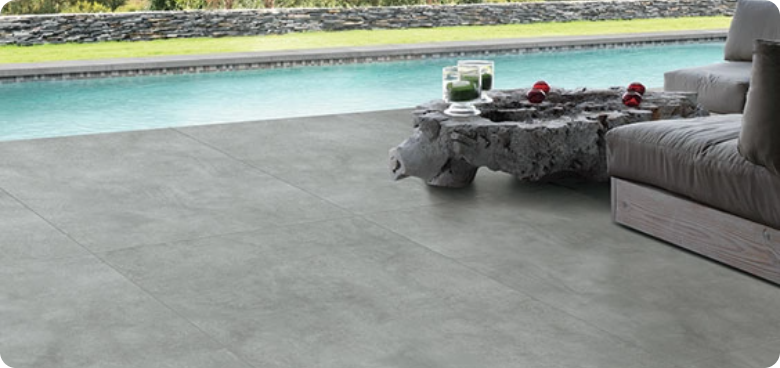
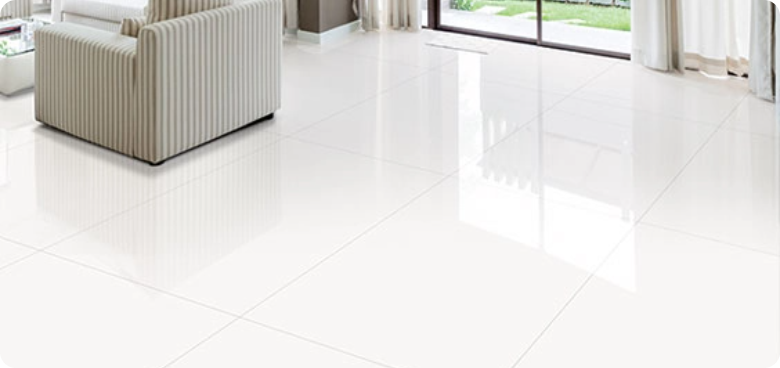
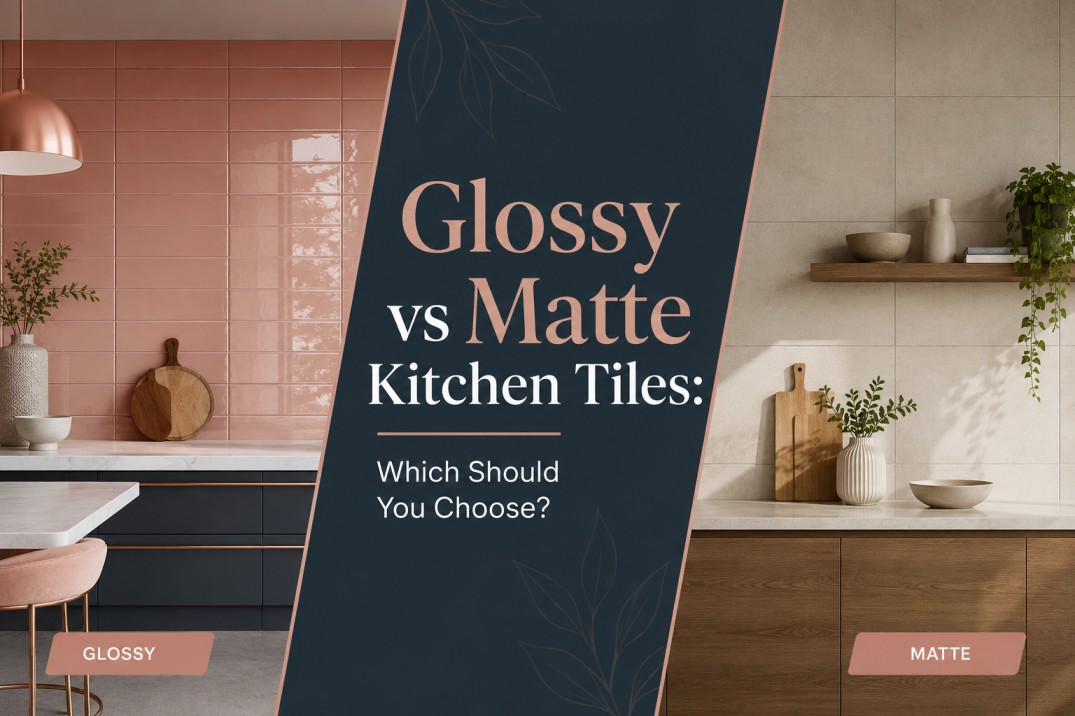
A glossy tile has a highly polished, reflective surface achieved by applying a thick coat of glaze that is fired at high temperatures. A matte tile, on the other hand, has a non-reflective, flat surface with a subtle texture. It absorbs light rather than bouncing it back, giving it a grounded, natural appearance. Kajaria’s tile range includes both finishes in their kitchen collections, from High Gloss to Matt, offering homeowners the full spectrum of choice.
Understanding these fundamentals is the first step toward making a decision that you won’t regret when you’re standing in your kitchen five years from now.
The Brilliant Appeal of Glossy Kitchen Tiles
Advantages of Glossy Tiles
Glossy tiles have a natural drama about them. Their mirror-like surface bounces light around the room, making even compact kitchens feel larger and more open. This is a key advantage in many Nepali homes where kitchen spaces can be limited in size. Here’s what makes glossy finishes so appealing:
- Light Amplification: Glossy tiles reflect both natural and artificial light, creating a bright, airy atmosphere that is particularly valuable in kitchens with limited window space.
- Easy to Wipe Clean: The smooth, non-porous surface of a gloss tile is incredibly easy to clean. Oil splatters, turmeric stains, and cooking residue wipe off with a damp cloth no scrubbing required.
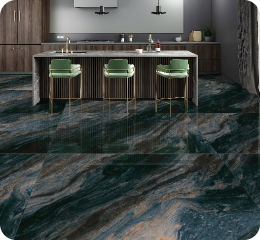
- Bold Aesthetic Statement: Gloss tiles, especially in darker shades like Onyx Thunder or deep blues like Mercury Azul from Kajaria’s kitchen floor range, create a dramatic, luxurious ambiance.
- Stain Resistance: The glazed surface offers excellent resistance to liquid absorption, making it highly stain-resistant when properly maintained.
- Colour Clarity: Glossy finishes enhance colour depth and vibrancy, making any tile design appear richer and more defined.
Disadvantages of Glossy Tiles
- Slip Risk on Floors: The same smoothness that makes glossy tiles easy to clean also makes them potentially slippery when wet a genuine safety concern for kitchen floors where water and oil spills are frequent.
- Fingerprint Magnet: Glossy surfaces show fingerprints, smudges, and water spots readily. In busy households, this means daily wiping to maintain that showroom finish.
- Scratch Visibility: Small scratches and hairline marks can catch the light and become visible on highly polished surfaces over time.
The Understated Charm of Matte Kitchen Tiles
Advantages of Matte Tiles
Matte tiles have surged in popularity in contemporary interior design, and for good reason. They offer a sophisticated, lived-in aesthetic that pairs beautifully with both modern minimalist and traditional rustic kitchen styles. Here’s why many interior designers and most professional kitchen installers lean toward matte for kitchen floors:
- Superior Slip Resistance: The textured, non-reflective surface of matte tiles provides significantly better grip underfoot even when wet. For a kitchen environment, this is a critical safety advantage.
- Hides Everyday Marks: Unlike glossy tiles, matte finishes effectively conceal fingerprints, light dust, and minor smudges, meaning your kitchen looks clean for longer between wipes.
- Timeless, Versatile Aesthetic: Matte tiles especially in earthy tones like Calacatta White Matt or Nova Beige Matt from Kajaria’s range complement a wide range of kitchen cabinet colours and décor styles.
- Durability Under Heavy Traffic: Matte tiles are generally more forgiving in high-footfall areas. Micro-scratches and surface wear are far less visible on a non-reflective surface.
- Outdoor and Transition Zones: Matte tiles work seamlessly across indoor-outdoor kitchen designs, a growing trend in modern Nepali homes.
Disadvantages of Matte Tiles
- Cleaning Grout Lines: The subtle texture of matte tiles can allow grease and food residue to accumulate in grout lines more readily, requiring occasional deep cleaning.
- Darker Aesthetic in Low-Light Kitchens: In kitchens with limited natural light, matte tiles can make the space feel heavier and more closed-in compared to their glossy counterparts.
- Less Colour Vibrancy: Matte finishes can slightly mute the intensity of tile colours and patterns, which may not suit homeowners seeking a high-impact design statement.
Glossy vs Matte Kitchen Tiles Head-to-Head Comparison
The table below gives you a clear snapshot across the most important decision factors when comparing glossy vs matte kitchen tiles:
| Attribute | Glossy Tiles | Matte Tiles |
| Light Reflection | High creates bright, spacious feel | Low diffused, soft ambiance |
| Slip Resistance | Lower not ideal for wet kitchen floors | Higher safer for active kitchens |
| Ease of Cleaning | Easy wipe clean in seconds | Moderate grout may trap residue |
| Fingerprints/Smudges | Highly visible needs frequent wiping | Barely noticeable hides daily marks |
| Stain Resistance | Excellent glazed surface repels stains | Good sealed matte performs well |
| Best For | Walls, backsplash, small kitchens | Floors, high-traffic, modern kitchens |
| Scratch Visibility | Scratches show more easily | Scratches less visible |
| Design Aesthetic | Glamorous, contemporary, bold | Minimalist, earthy, sophisticated |
Which Finish Works Best for Kitchen Floors?
When it comes to kitchen floors specifically, the debate between glossy vs matte kitchen tiles tilts decisively toward matte and safety is the primary reason. Kitchen floors endure heavy daily traffic, cooking spills, and water from the sink. A slippery glossy floor in this environment is a genuine hazard, particularly for households with children or elderly family members.
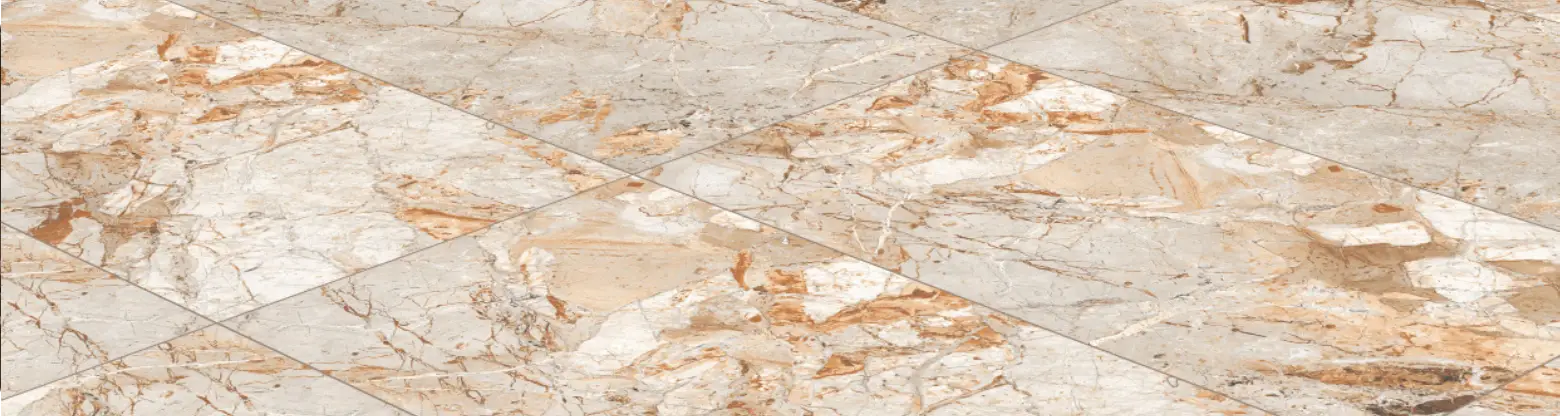
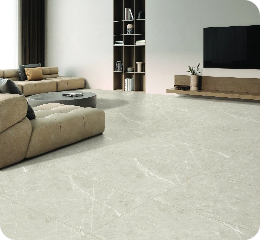
Matte kitchen floor tiles offer the grip and stability that active kitchens demand. Kajaria’s kitchen floor collection includes outstanding matte options like Calacatta Imperial Matt, Vista Grey Matt, and Atlas Taupe Matt all available in a generous 60×120 cm format. The larger tile format also means fewer grout lines across your floor, making the space easier to clean and maintain.
That said, if you are committed to a glossy kitchen floor, ensure you choose tiles with an R-rating of R10 or above (slip resistance rating), and consider limiting glossy floors to kitchen areas that are low-risk such as a dry dining extension or a kitchen island surround.
Explore Kajaria’s full range of kitchen floor tiles to find the perfect matte or high gloss option for your home.
Which Finish Works Best for Kitchen Walls and Backsplash?
For kitchen walls and backsplash areas, the dynamic flips. This is where glossy tiles genuinely shine both literally and figuratively. Since wall tiles don’t carry the slip-resistance concern of floors, the primary considerations become aesthetics, cleaning ease, and light reflection
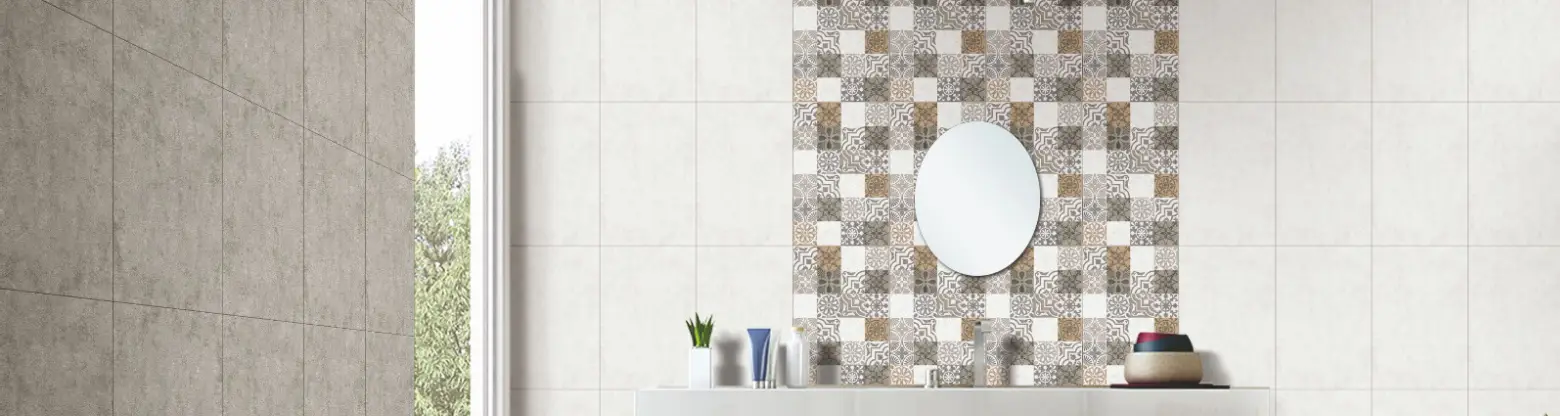
Glossy tiles on the kitchen backsplash create a stunning focal point. They reflect light back into the cooking zone, brighten the space around your hob and countertop, and are exceptionally easy to clean, a critical quality for a surface that faces daily oil splatter and cooking residue. A simple wipe-down with a damp cloth restores the mirror-like shine instantly.
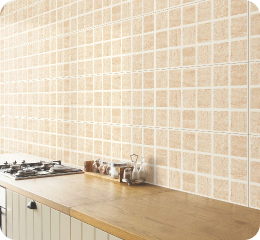
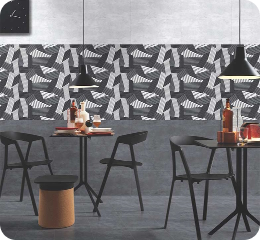
Matte wall tiles, however, are gaining traction in contemporary kitchen design as a counterpoint to glossy floors. Pairing a matte floor with a matte backsplash creates a cohesive, textural aesthetic. For darker kitchens or those with a rustic, artisanal feel, matte backsplash tiles deliver warmth and depth that glossy tiles cannot.
Discover Kajaria’s curated kitchen wall tiles featuring both matte and gloss finishes designed specifically for Nepali kitchen environments.
Kitchen Size Matters: Using Tile Finish to Transform Your Space
One of the most practical yet often overlooked factors in the glossy vs matte kitchen tiles decision is the size of your kitchen. Tile finish has a measurable visual impact on how large or small a space feels.
In smaller kitchens, glossy tiles are a designer’s secret weapon. Their high reflectivity bounces light from every angle, creating the optical illusion of a larger, more open space. If your kitchen receives limited natural light or feels cramped, glossy wall tiles particularly in white or cream can dramatically transform the perception of the room.
In larger, open-plan kitchens, matte tiles anchor the space beautifully. Their earthy, grounded quality prevents the room from feeling cold or clinical, while their textural depth adds warmth that large, airy spaces often need.
A popular design strategy among Nepali homeowners and interior designers is to mix finishes: matte tiles on the floor for safety and warmth, paired with a glossy backsplash or feature wall for visual impact. This hybrid approach gives you the best of both worlds.
Cleaning and Maintenance: The Real Difference
In the ongoing glossy vs matte kitchen tiles debate, maintenance is often the deciding factor for practical homeowners and the differences are significant enough to impact your daily life.
Maintaining Glossy Tiles
- Wipe down with a damp microfiber cloth daily to prevent smear buildup.
- Use a mild pH-neutral cleaner to avoid abrasive scouring pads that can scratch the glazed surface.
- Dry the surface after wiping to prevent water spots and calcium deposits, especially in hard-water areas.
- Clean grout lines with a soft brush periodically to maintain the pristine overall appearance.
Maintaining Matte Tiles
- Sweep or vacuum regularly to prevent dust and grit from dulling the surface.
- For kitchen floors, mop with warm water and a gentle floor cleaner weekly.
- Address grease spills promptly matte textures can trap oil in micro-pores if left untreated.
- Seal grout lines every 12–18 months to prevent staining and simplify cleaning.
Both finishes are perfectly manageable with the right routine. The key is choosing the finish that fits your actual cleaning habits, not the idealized version of how often you plan to clean.
Kajaria’s Kitchen Tile Collections: Best of Both Worlds
Kajaria Ramesh Tiles Ltd. Nepal’s leading tile manufacturer and a joint venture with India’s No. 1 tile brand, Kajaria Ceramics Ltd. makes the glossy vs matte kitchen tiles decision easier by offering a world-class collection of both finishes designed specifically for modern Nepali homes.
All Kajaria kitchen floor tiles are available in the large 60×120 cm format, reducing grout lines, simplifying cleaning, and giving your kitchen a seamless, expansive look. Here are some standout options from both categories:
Top Matte Kitchen Floor Tiles
- Calacatta White Matt (60×120 cm) A timeless marble-look tile in soft white, ideal for bright, contemporary kitchens.
- Nova Beige Matt (60×120 cm) Warm, earthy tones that create a welcoming kitchen ambiance.
- Atlas Taupe Matt (60×120 cm) A sophisticated grey-brown that pairs beautifully with dark or walnut cabinetry.
Top Glossy Kitchen Floor Tiles
- Onyx White Glossy (60×120 cm) Crisp and clean, with a polished look that maximises light reflection.
- Calacatta Imperial Glossy (60×120 cm) Statement marble aesthetics with a brilliant reflective surface.
- Mercury Azul High Gloss (60×120 cm) A striking deep blue for those who want a bold, unexpected kitchen floor.
Use Kajaria’s Tile Finder Tool to filter by size, finish, and application and find your perfect kitchen tile in minutes. You can also browse the complete floor tile collection or wall tile collection for full inspiration.
Conclusion
The glossy vs matte kitchen tiles debate doesn’t have a single winner, it has a smarter question: where in the kitchen, and for what purpose?
Here’s the short version of everything we’ve covered:
- For kitchen floors: Choose matte. Safety, durability, and low-maintenance practicality make matte tiles the superior choice for any floor that sees daily use.
- For kitchen walls and backsplash: Choose glossy. The reflective surface brightens your cooking zone, is effortless to clean, and creates a visual centerpiece.
- For small or dark kitchens: Lean toward glossy light reflection works in your favour.
- For large, open-plan kitchens: Matte tiles anchor the space and add warmth.
- For the best of both: Mix finishes. Matte floor + glossy backsplash is a design combination that has stood the test of time for a very good reason.
Whatever your choice, the best tiles in Nepal for kitchen use are ones that balance beauty with function and Kajaria’s range delivers exactly that, crafted with world-class technology and engineered for Nepal’s climate and lifestyle.
Frequently Asked Questions
1: Are glossy vs matte kitchen tiles very different in price?
In Kajaria’s range, both finishes are available across similar price points. The tile size, material (porcelain vs ceramic), and finish quality are more significant cost factors than the choice of glossy or matte alone.
2: Which kitchen tile finish lasts longer, glossy or matte?
Both finishes offer excellent durability when made from quality materials. Matte tiles tend to show wear slightly less visibly over time due to their non-reflective surface.
3: Can I mix glossy and matte tiles in the same kitchen?
Absolutely and it is a design approach many professional interior designers recommend. A popular combination is matte tiles on the floor paired with glossy tiles on the backsplash or feature wall.
4: Are matte kitchen tiles harder to clean than glossy tiles?
For walls and vertical surfaces, matte tiles require slightly more attention to prevent grease buildup in textured areas. For floors, matte tiles are actually easier to maintain in appearance; they don’t show fingerprints, water spots, or minor smudges the way glossy tiles do.