


Tiles in Interior Architecture: The Complete Guide to Floors, Walls & Feature Spaces in Nepal

Tiles in Interior Architecture: The Complete Guide to Floors, Walls & Feature Spaces in Nepal
Picture this: you walk into a Kathmandu home where the kitchen floor is cracked, the grout has turned grey with monsoon damp, and mismatched tiles interrupt the visual flow from room to room. Now imagine the opposite: a seamless expanse of large-format porcelain, a feature wall that catches the morning light, a bathroom that feels like a spa. The difference between those two homes is not the furniture, the paint, or the curtains. It is the tile.
Tiles in interior architecture are not merely a surface treatment. They are the structural backbone of a room’s aesthetic identity, the material that must endure foot traffic, cooking splatter, humidity, and the test of decades all while looking beautiful.
This guide changes that. Whether you are designing a new kitchen floor in Kathmandu, renovating a bathroom in Pokhara, or specifying tiles for a commercial space anywhere in Nepal, this comprehensive resource walks you through every dimension of using tiles in interior architecture from material science to design trends, from layout planning to the hidden detail that separates a good finish from a great one.
What Makes Tiles the Most Versatile Material in Interior Architecture?
Of all the materials available to an interior architect or homeowner, tile is unique in its ability to be simultaneously structural, decorative, hygienic, durable, and expressive. Concrete walls crack. Wood floors warp in humidity. Paint fades. But a well-chosen, properly installed tile can outlast the building it sits in.
In Nepal, this durability argument is particularly compelling. The country’s climate ranges from humid subtropical valleys to cold alpine zones. The monsoon season brings moisture into walls and floors that other materials simply cannot handle. Tiles, especially glazed vitrified and heavy duty vitrified formats, are impermeable to water, resistant to temperature fluctuation, and critically do not harbour the mould and bacteria that thrive in unsealed natural materials.
Beyond pure function, tiles in interior architecture offer a design vocabulary that no other material can match. From the handmade, irregular charm of zellige to the clinical precision of large-format polished porcelain, tile speaks every aesthetic language. It can make a small bathroom feel expansive through reflective high-gloss surfaces, or ground a grand living room with the warm earthiness of wood-effect planks.
Kitchen Floor Tiles: The Heart of the Home Deserves the Best Foundation
The kitchen is where tiles in interior architecture face their most demanding test. Dropped utensils, cooking oil, water from the sink, the constant back-and-forth of daily life a kitchen floor must absorb all of this without showing wear, without becoming a slip hazard, and without requiring the kind of maintenance that busy households simply cannot sustain.
Choosing the Right Format for Your Kitchen Floor
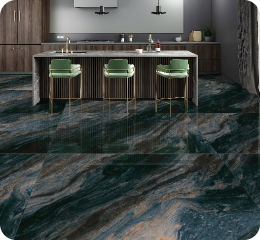
Large-format tiles, particularly the 60×120 cm size have become the gold standard for modern kitchen floor design in Nepal, and for good reason. Fewer grout lines mean fewer places for grease and food particles to accumulate. The result is a floor that is not only more visually expansive but genuinely easier to keep clean. For Nepali kitchens, where cooking often involves oils, spices, and high heat, this is not a stylistic luxury, it is a practical necessity.
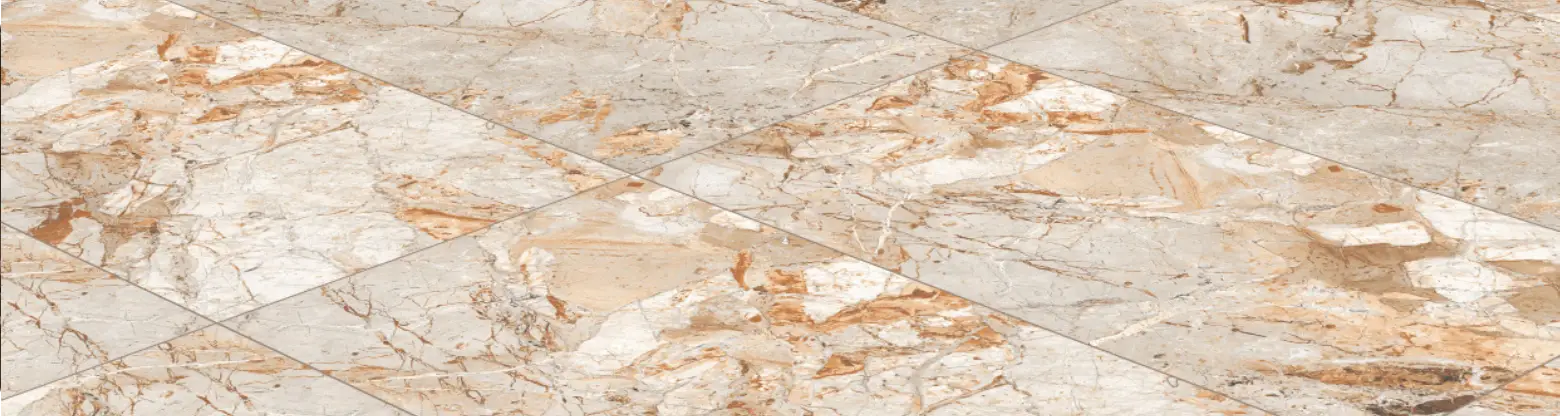
Kajaria Nepal’s kitchen floor tile range is built precisely around this understanding. The kitchen floor tiles collection includes the 60×120 cm Calacatta White and Calacatta Imperial formats in matte finish, a surface that provides the slip resistance a kitchen demands while delivering the marble-inspired luxury that elevates the entire space.
Matt vs High Gloss: Making the Right Call
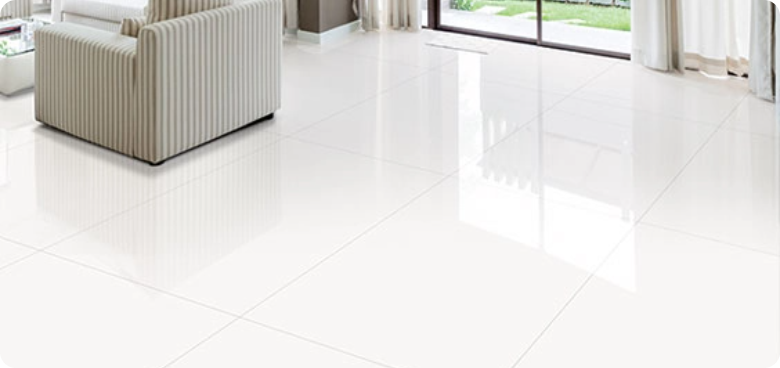
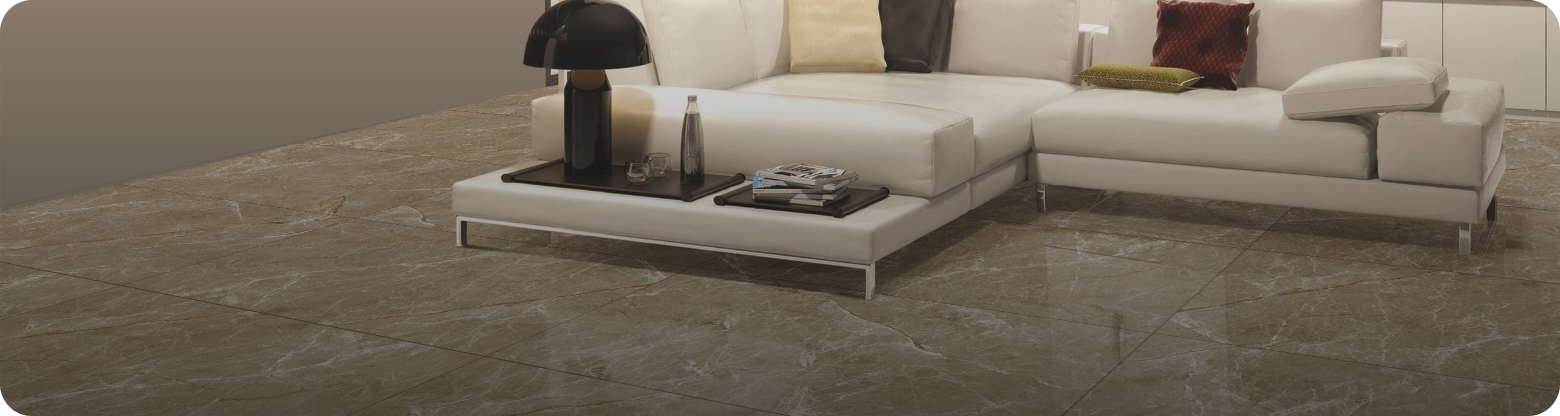
The finish of your kitchen floor tile is one of the most consequential decisions in any interior architecture project. Matt finishes scattering light rather than reflecting it, which means footprints, water marks, and fine scratches are far less visible, a significant advantage in a high-traffic kitchen environment. Polished and HD-polished finishes, on the other hand, create a mirror-like surface that dramatically amplifies natural light, making compact kitchens feel twice their actual size.
The most sophisticated contemporary kitchen designs in Nepal are beginning to combine both: matt on the floor for practicality, and a high-gloss or HD-polished tile on the kitchen wall as a backsplash, using the contrast itself as a design statement. This pairing of kitchen wall tiles with a complementary but distinct floor finish is a technique borrowed from high-end hotel and restaurant interior architecture and it works equally well in residential settings.
Wall Tiles in Interior Architecture: Turning Vertical Surfaces Into Design Statements
For too long, wall tiles were treated as purely functional something to protect bathroom and kitchen walls from moisture and splatter. Contemporary tiles in interior architecture have completely reframed this thinking. Today, the wall is where the personality of a space lives.
The Backsplash as a Feature
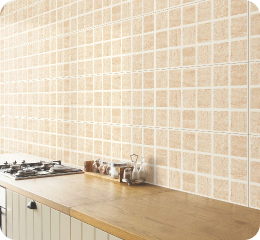
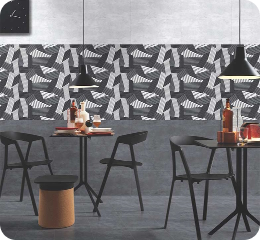
The kitchen backsplash is perhaps the single most impactful tile application in a home’s interior architecture. Positioned directly at eye level, it is the first surface a visitor consciously notices when entering a kitchen. A standard white subway tile communicates clean and timeless. A geometric pattern in contrasting grout communicates precision and personality. A textured, hand-glazed surface communicates warmth and craftsmanship.
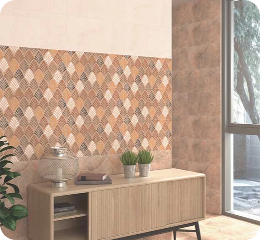
In Nepal, where traditional Newari architecture already carries a deep aesthetic vocabulary of carved surfaces and intricate patterns, there is a natural appetite for expressive wall tile design. Digital wall tiles, one of Kajaria Nepal’s distinctive product categories, bring high-resolution surface imagery to ceramic, enabling designs that mimic everything from natural stone to woven fabric with extraordinary fidelity.
Bathroom Wall Architecture: Beyond the Basics
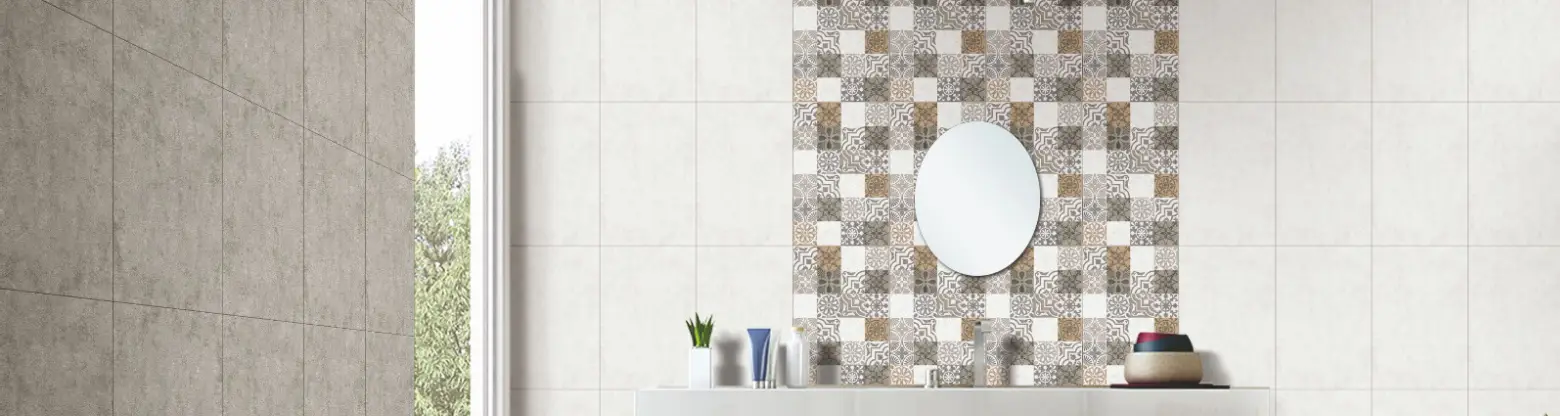
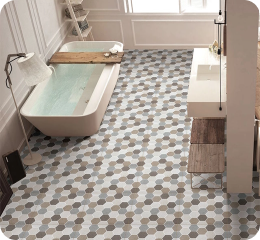
Full-height wall tiling is one of the most transformative upgrades available to a bathroom interior. Taking tiles from floor to ceiling eliminates the visual interruption of a painted band above the tiled zone, creating a continuous, spa-like envelope of material. Combined with large-format bathroom wall tiles in a vertical orientation, this approach can make even a modest bathroom feel architecturally considered.
The choice between a polished and a matte finish on bathroom walls has aesthetic implications that mirror the kitchen discussion with one additional factor unique to bathrooms. Polished tiles on vertical surfaces are perfectly safe since walls do not require slip resistance, meaning you can use the most reflective, luminous surface available to maximise the light in typically windowless spaces.
Feature Spaces: Where Tiles in Interior Architecture Become Pure Expression
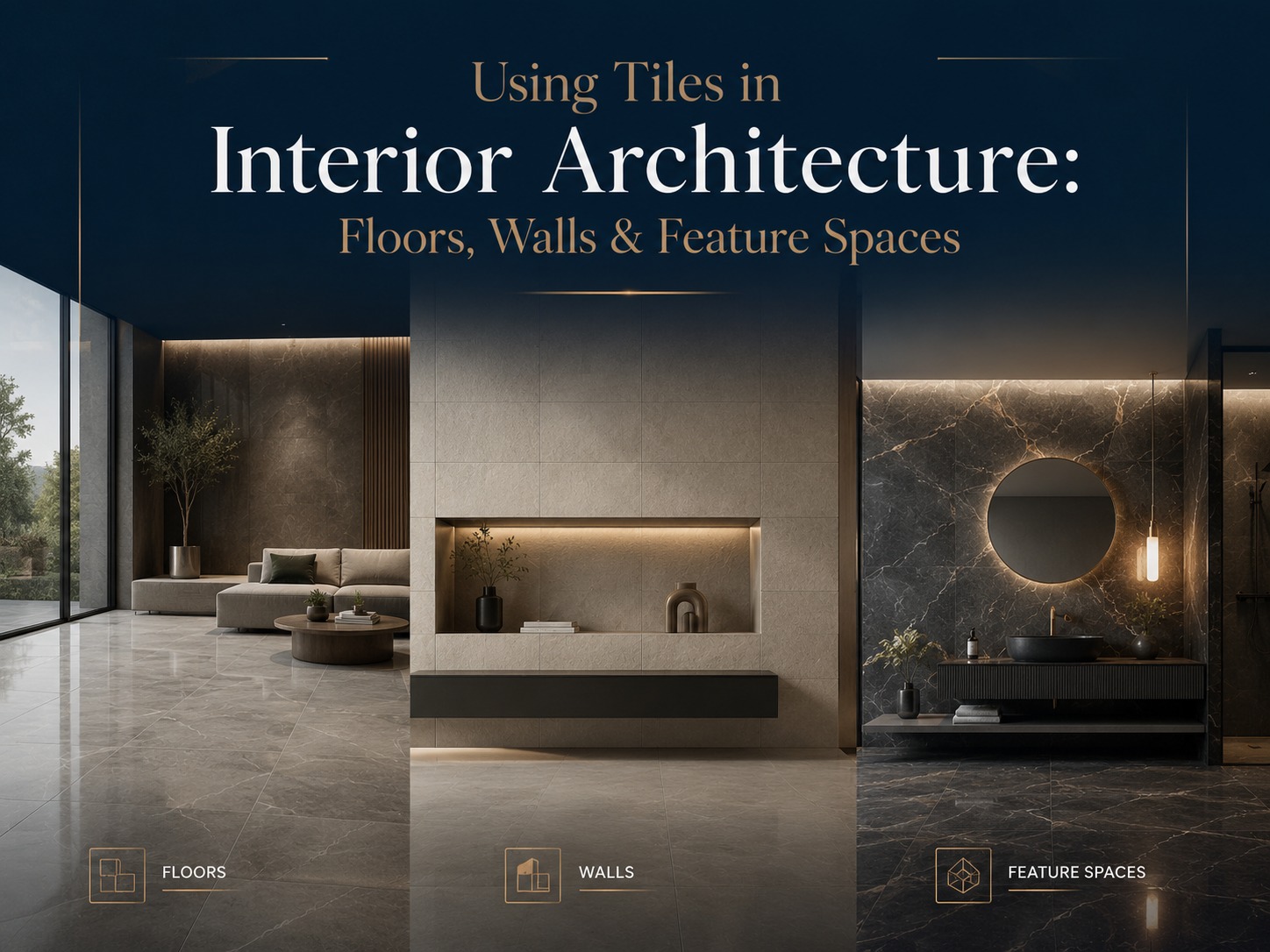
Beyond floors and walls lies the most exciting frontier in tile design: the dedicated feature space. An accent wall, a fireplace surround, a staircase, an entry niche these are the moments in interior architecture where tiles stop being background and become the subject.
Designing a Tile Feature Wall
The most effective feature walls in tile work on a principle of contrast. If the surrounding room is restrained with neutral tones, simple furniture, clean lines then a feature wall can carry considerable expressive weight. A deep-toned, heavily textured tile in a format that contrasts with the room’s dominant horizontal lines creates visual drama without chaos.
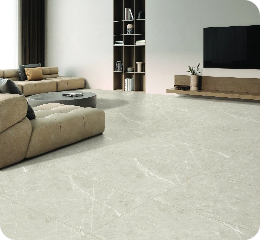
For Nepali interiors, the living room feature wall represents a particular opportunity. The living room floor tiles and walls of this central space set the tone for the entire home. Matching your floor tile format to an element of the feature wall using the same base colour in a different finish, for example, or repeating a geometric motif creates the layered coherence that distinguishes genuinely well-designed interiors from simply well-furnished ones.
Staircase and Commercial Feature Tile Design
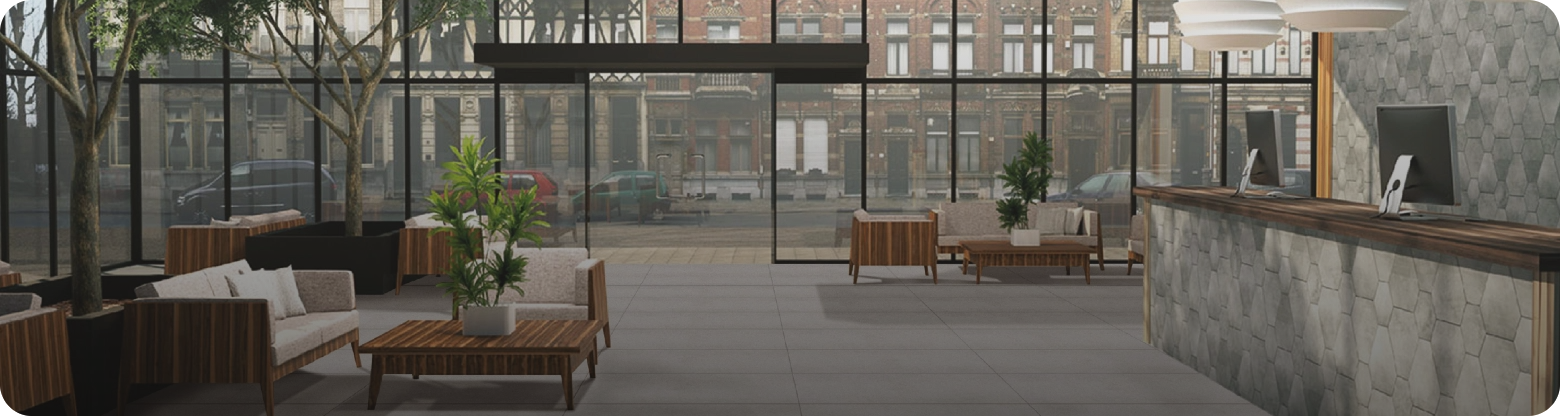
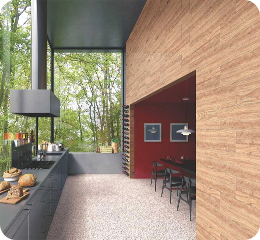
In Nepal’s growing commercial sector hotels, restaurants, office lobbies, retail spaces tiles in interior architecture serve a dual function: they must withstand vastly higher foot traffic than residential applications while simultaneously communicating brand identity and quality. This is where heavy duty vitrified tiles become indispensable. Kajaria Nepal’s heavy duty vitrified tiles are engineered for exactly this environment, combining the abrasion resistance of industrial-grade ceramics with surface finishes sophisticated enough for the most design-conscious commercial interior.
Materials Guide: Matching Tile Type to Architectural Purpose
Understanding tile materials is essential to making decisions that hold up over time. The four primary categories you will encounter in the Nepali market each have a distinct performance profile.
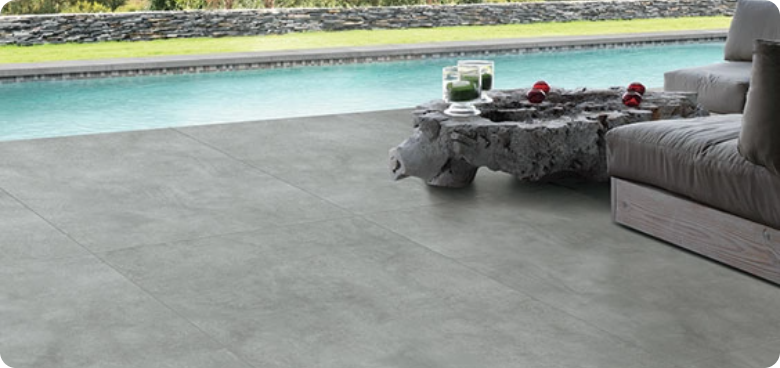
Glazed Vitrified Tiles (GVT) are the workhorse of residential interior architecture low water absorption, excellent surface hardness, and available in the widest range of sizes and finishes. Kajaria Nepal’s glazed vitrified tiles collection spans from classic marble looks to contemporary concrete aesthetics.
Heavy Duty Vitrified Tiles extend GVT properties with enhanced abrasion resistance, making them the correct specification wherever foot traffic is heavy commercial lobbies, staircases, outdoor terraces, and any residential corridor that functions as a thoroughfare.
Digital Wall Tiles bring photographic surface precision to vertical applications. The ability to replicate natural stone, textured fabric, or architectural patterns at exact scale and colour fidelity opens design possibilities that simply did not exist with traditionally printed ceramics.
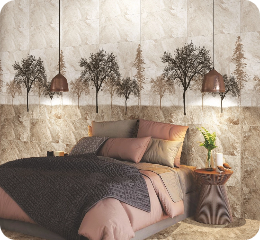
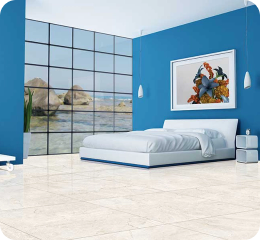
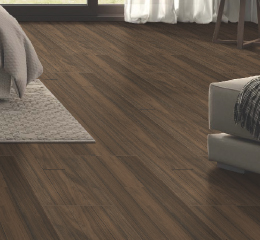
Kajaria Planks the 195×1200 mm format represent a category of their own. Designed to replicate the proportions and visual rhythm of natural wood planking, they are the go-to specification for bedroom floors and living room feature walls where warmth and organic texture are the priority but the durability of natural wood cannot be relied upon in Nepal’s climate conditions.
Practical Tile Design Tips: Grout, Layout & Finish Selection
Even the finest tile specification can be undermined by poor execution. These practical considerations apply to every tiles in interior architecture project regardless of scale or budget.
Grout colour is a design decision, not an afterthought. Matching grout to tile colour creates a seamless, expansive surface that emphasises the tile’s own character. Contrasting grout particularly in geometric or herringbone layouts celebrates the pattern itself and creates a more graphic, intentional effect. In Nepal’s humid monsoon conditions, always specify epoxy grout in wet areas: it is non-porous, stain-resistant, and will not blacken over time as cement-based grout can.
Layout planning determines perceived room size. Laying large-format tiles diagonally across a room’s longest axis can make a rectangular space feel significantly wider. Running plank-format tiles lengthways amplifies the sense of depth. For small bathrooms in Nepali apartments where floor plates are often modest, a single large-format tile laid across the entire space with minimal grout lines is consistently the most effective visual expansion technique available.
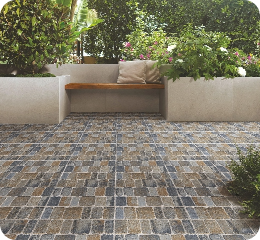
Slip resistance matters everywhere, not just bathrooms. Kitchen floors, outdoor terraces, and entry halls all benefit from a carefully considered coefficient of friction. Matt and carving finishes provide the natural grip that polished surfaces cannot. Nepal’s rainy season makes this consideration particularly relevant for any tile application that is adjacent to or transitional between interior and exterior spaces. You can explore finish options and find the right match using Kajaria Nepal’s Tile Finder tool.
Conclusion:
Tiles in interior architecture are not decoration applied to a space, they are the space itself. The floor you walk on, the wall you lean against, the surface that reflects your morning light or absorbs the warmth of a fireplace: these are the moments that accumulate into the lived experience of a home or a commercial environment.
For homeowners and architects in Nepal, the opportunity is significant. Kajaria Nepal the best tiles in nepal brings world-class manufacturing technology to a market that is increasingly design-literate and quality-conscious. Whether you are specifying a kitchen floor that will survive a generation of monsoon seasons, designing a bathroom that rivals a boutique hotel, or creating a commercial lobby that communicates ambition and refinement, the right tile exists in the range.
FAQ
1. What are the best tiles for interior architecture in Nepal?
The best tiles for interior architecture in Nepal depend on the specific space and its demands. For living rooms and bedrooms, glazed vitrified tiles (GVT) in large-format sizes like 60×120 cm offer the ideal combination of visual elegance and durability.
2. Why is tile considered the most versatile material in interior architecture?
Tile is considered the most versatile material in interior architecture because it performs equally well as a structural surface, a decorative element, and a hygienic barrier simultaneously.
3. How do Kajaria Plank tiles work in interior architecture?
Kajaria Planks are a 195×1200 mm large-format tile designed to replicate the proportions, grain, and visual warmth of natural timber planking.