

Kitchen Tiles in Nepal: Stylish Designs for Modern Living
You walk into your kitchen every day but does it feel modern, clean, and inspiring? For many homeowners in Nepal, the kitchen is functional but not thoughtfully designed. Stains, cracks, slippery floors, and outdated patterns are common issues that make cooking less enjoyable and maintenance a hassle.
This is where the right kitchen tiles make a huge difference. They are not just about looks, they define hygiene, durability, and safety in one of the most used spaces in your home.
In this guide, you’ll learn everything about choosing the best kitchen tiles in Nepal from materials and designs to pricing, maintenance, and expert tips so you can build a kitchen that looks great and lasts for years.
Understanding Kitchen Tile Types
Not all tiles are created equal. Before exploring designs, it helps to understand the core material types available in Nepal and what each is suited for.
Ceramic Tiles
Ceramic is the most traditional and affordable option. These tiles are made from fired clay and are excellent for kitchen walls, where heat and impact stress are lower. They come in a wide range of designs and colours, making them a popular choice for backsplashes and decorative feature walls. For homeowners working with a tighter budget, quality ceramic kitchen tiles offer real value without sacrificing aesthetics.
Glazed Vitrified Tiles
Glazed vitrified tiles (GVT) are the sweet spot between beauty and performance. They combine a dense, low-porosity body with a decorative glazed surface that can mimic marble, stone, wood, or abstract art all while being far more resistant to stains and moisture than natural materials. For Nepali kitchens, GVT is one of the most recommended options for both floors and walls.
Kajaria Ramesh’s glazed vitrified tile collection is manufactured to international standards and available in sizes ranging from 30×45 cm to 60×120 cm, giving homeowners and designers unmatched flexibility.
Heavy Duty Vitrified Tiles
For high-traffic kitchens commercial restaurants, hotel kitchens, or large family homes heavy duty vitrified tiles provide the toughest surface available. These tiles resist abrasion, pressure, and impact at a level that standard tiles simply cannot match. If your kitchen sees serious daily use, this category deserves serious consideration. Kajaria Ramesh’s heavy duty vitrified range is specifically engineered for demanding environments.
Digital Wall Tiles
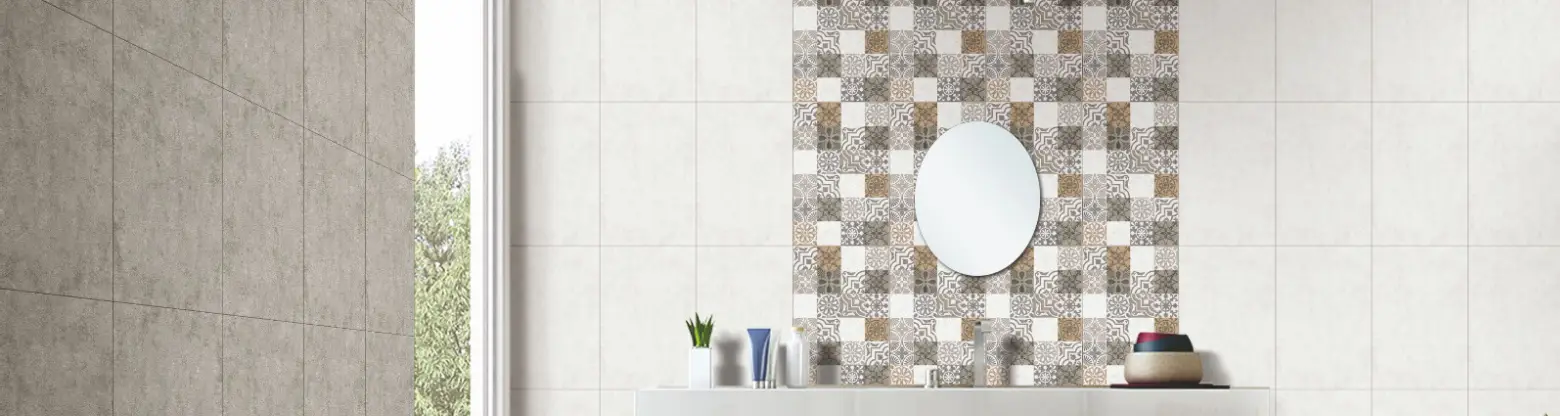
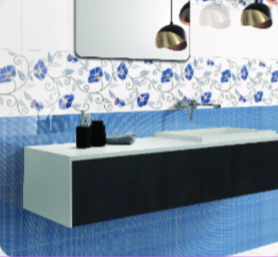
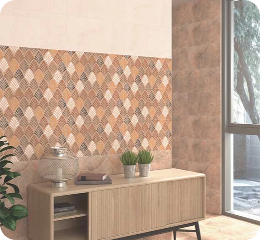
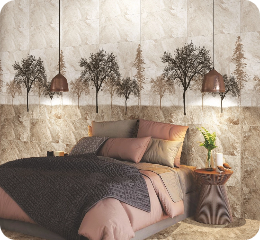
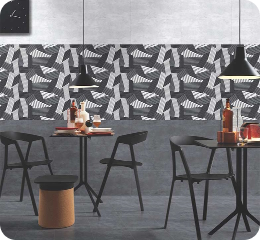
One of the most exciting developments in Nepal’s tile market is the availability of digitally printed wall tiles. Using high-resolution inkjet technology, these tiles can carry intricate patterns, realistic stone textures, botanical prints, or geometric designs that would be impossible to achieve with traditional glazing. For a kitchen feature wall or backsplash that truly stands out, digital wall tiles are the contemporary choice.
Kitchen Floor Tiles vs Wall Tiles: Know the Difference
Many homeowners make the mistake of using the same tile for both the floor and the wall. While this can work aesthetically, the structural requirements are very different.
Kitchen floor tiles need to be:
- Slip-resistant — especially important in Nepal, where wet floors during cooking and cleaning are common
- Scratch and abrasion resistant — floors take the most physical punishment
- Easy to maintain — fewer grout lines mean a more hygienic surface
- Structurally dense — to withstand dropped heavy pots and appliances
Kitchen wall tiles need to be:
- Heat resistant — proximity to stoves and cooking heat demands materials that won’t crack or discolour
- Grease-proof — oil vapour and cooking splatter should wipe off cleanly
- Visually engaging — walls are your primary canvas for design expression
Kajaria Ramesh’s dedicated kitchen floor tiles and kitchen wall tiles pages make it easy to browse by application, so you’re always choosing a tile engineered for exactly where it will go.
The Most Popular Kitchen Tile Designs in Nepal for 2026
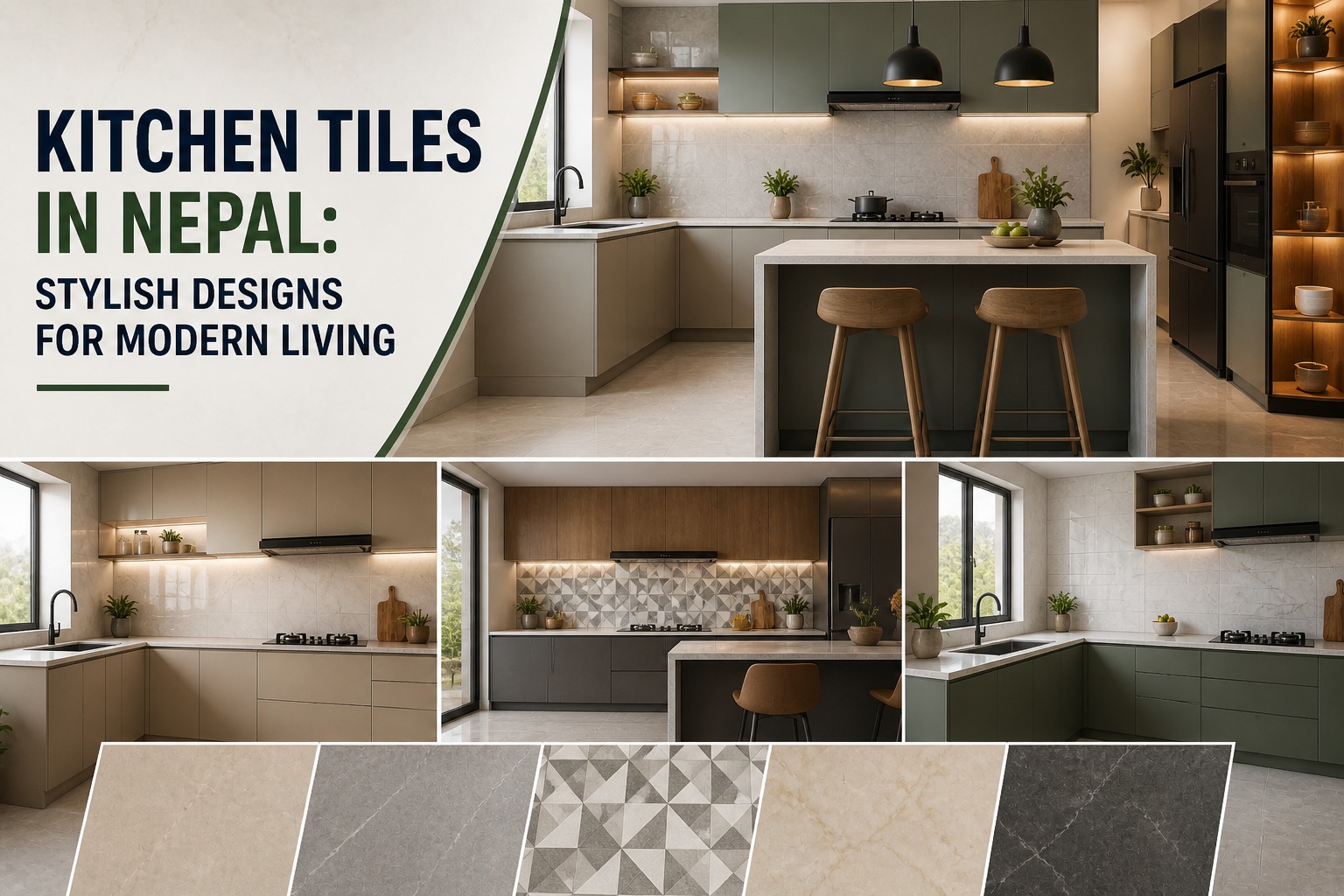
Design preferences in Nepal have evolved significantly. Today’s homeowners are looking for kitchen tiles that balance global design trends with the practical realities of Nepali living. Here are the styles leading the market in 2026.
1. Marble-Look Tiles: Timeless Luxury Without the Price Tag
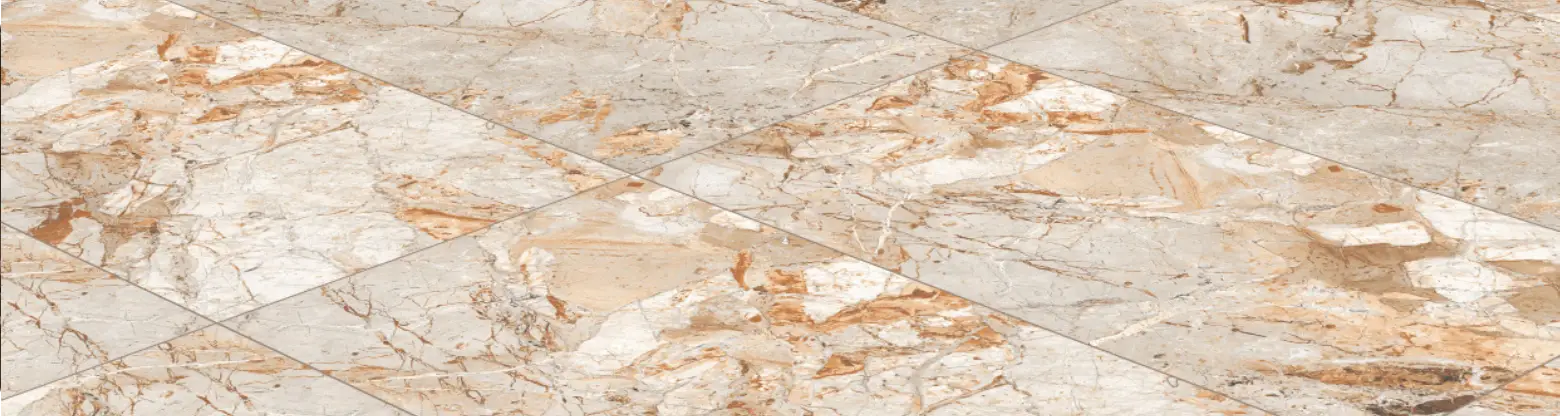
Nothing elevates a kitchen quite like marble but real marble is expensive, porous, and demands constant maintenance. Marble-look tiles in glazed vitrified finish deliver the same visual grandeur at a fraction of the cost, with none of the upkeep concerns.
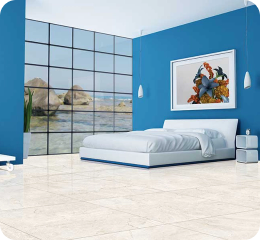
Kajaria Ramesh’s Calacatta White and Calacatta Imperial collections (available in 60×120 cm in both matte and glossy finishes) have become some of the most sought-after kitchen tiles in Kathmandu. The fine veining, crisp white base, and large format create a seamless, spa-like kitchen that feels genuinely luxurious.
2. Neutral Tones: Beige, Taupe, and Greige
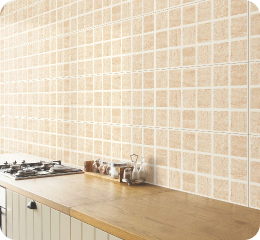
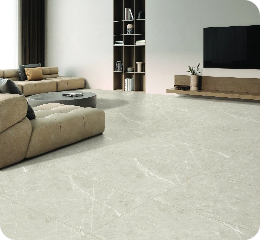
Nepal’s interior design scene has embraced the warmth of neutral palettes. Beige and taupe tones complement both traditional Nepali woodwork and contemporary minimalist kitchens. Collections like Nova Beige and Atlas Taupe from Kajaria Ramesh are available in both matte and glossy finishes, making them versatile choices for floors and walls alike.
A practical tip: if your kitchen receives limited natural light common in many urban apartments in Kathmandu opt for lighter neutrals in glossy finish. The reflective surface will visually brighten your space without any additional lighting cost.
3. Bold Contrasts: Black and Dark Statement Tiles
For homeowners who want a kitchen with real personality, dark kitchen tiles are making a powerful statement in 2026. Collections like Andora Nero, Mercury Black, and Onyx Thunder in high gloss finish create dramatic, moody kitchens that pair beautifully with white cabinetry and brushed gold fixtures.
Bold choices like these work especially well in open-plan layouts, where the kitchen is visible from the living area and needs to make a visual impact as part of the overall interior design.
4. Grey Tones: The Versatile Middle Ground
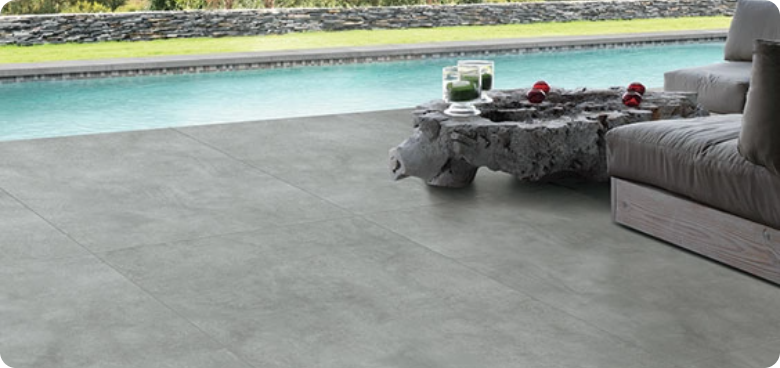
Grey remains one of the most universally flattering colours in kitchen design. It works with warm wood tones, cool white cabinetry, and everything in between. Vista Grey in 60×120 cm matte finish is a particularly strong choice for kitchen floors in Nepal; its understated elegance and non-reflective surface make it as practical as it is beautiful.
5. Large Format Tiles: Making Small Kitchens Feel Bigger
One of the most impactful design tips for compact Nepali kitchens is to use large format tiles. The 60×120 cm size which Kajaria Ramesh stocks extensively dramatically reduces the number of grout lines visible on your floor. Fewer grout lines means the eye perceives the space as larger and more open. It also means less cleaning, since grout is where dirt and grease accumulate.
Choosing the Right Finish: Glossy, Matte, or High Gloss?
The finish of your tile is as important as the design itself. Each finish creates a completely different ambiance and has different practical implications.
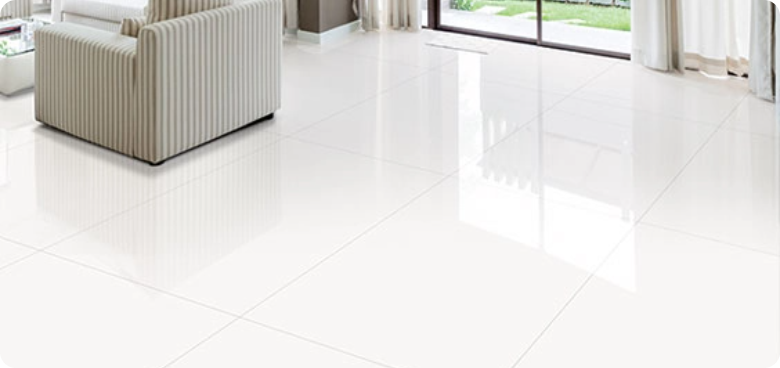
Glossy finish tiles reflect light beautifully, making them ideal for smaller kitchens or those with limited natural light. They are easy to wipe clean but can show footprints and watermarks more readily on floors.
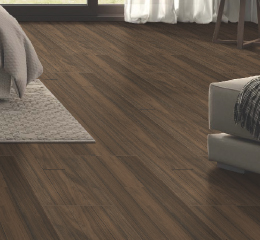
Matte finish tiles have a soft, sophisticated appearance that is increasingly popular in modern Nepali homes. They are inherently more slip-resistant than gloss tiles, an important consideration for kitchen floors and they do not show smudges as readily. For busy family kitchens, matte is often the more practical choice.
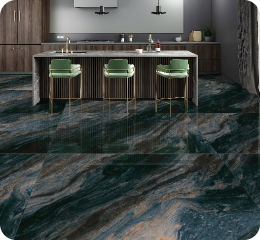
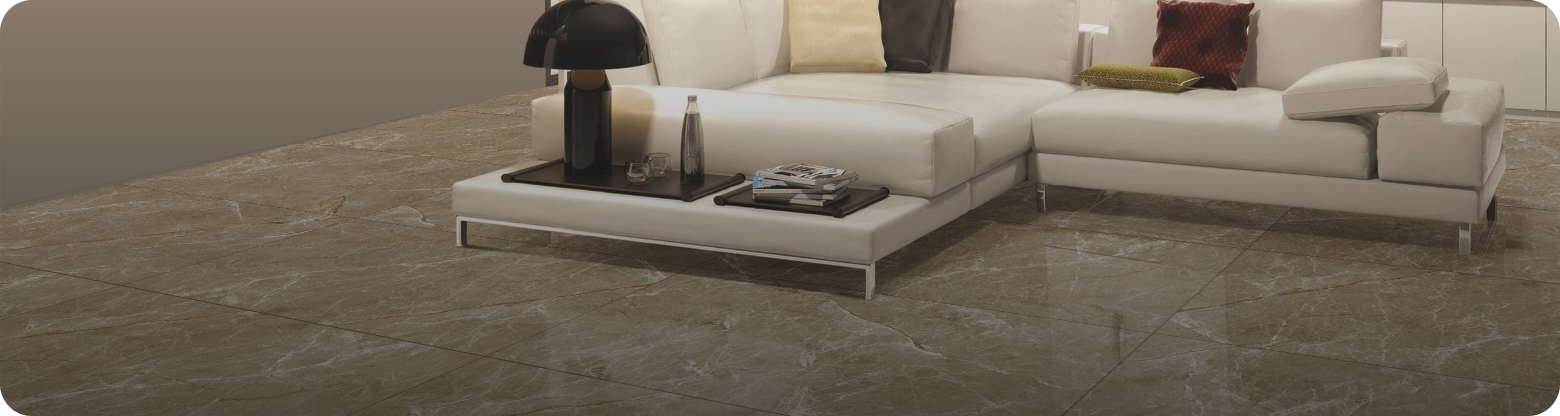
High gloss finish represents the premium tier, delivering a mirror-like reflective surface that creates a sense of absolute luxury. Collections like Mercury Azul, Volcano Azul, and Nebula Imperial in high gloss finish are spectacular choices for statement kitchen floors in larger, more formal spaces.
Kitchen Tile Sizes: A Practical Guide for Nepali Homes
Choosing the right size tile for your kitchen can make a significant difference to both the final look and the installation cost. Here is a quick reference guide:
| Tile Size | Best For | Effect |
| 30×45 cm | Small kitchen walls, backsplash | Traditional, detailed look |
| 30×60 cm | Medium kitchen walls | Clean, contemporary |
| 60×60 cm | Medium kitchen floors | Balanced, versatile |
| 60×120 cm | Large format floors and walls | Spacious, seamless, luxury feel |
For most modern Nepali kitchens being built or renovated today, the 60×120 cm format is the recommended choice for floors it aligns with contemporary design standards and delivers the best value for the visual impact it creates.
You can use Kajaria Ramesh’s Tile Finder tool to filter by size, finish, and application to find your ideal kitchen tiles in minutes.
Why Kajaria Ramesh Is Nepal’s Most Trusted Tile Brand
Kajaria Ramesh Tiles Limited is a joint venture between Ramesh Corp and Kajaria Ceramics India’s number one tile manufacturer. Their state-of-the-art manufacturing plant in Nawalparasi has an annual production capacity of 5.2 million square metres, making it the largest tile manufacturing facility in Nepal.
This means that when you choose Kajaria Ramesh kitchen tiles, you are choosing a product made in Nepal to international quality standards, tested to NS 617 certification, and backed by decades of global manufacturing expertise. You also benefit from competitive pricing that imported tiles simply cannot match.
Conclusion:
Your kitchen is where meals are made, where family gathers, and where memories are created daily. It deserves surfaces that are as hardworking as they are beautiful. The right kitchen tiles are not just an aesthetic choice, they are a long-term investment in the comfort, hygiene, and value of your home.
From the timeless elegance of Calacatta marble-look tiles to the bold drama of Onyx Thunder in high gloss, Kajaria Ramesh’s collections give every Nepali homeowner access to world-class design at honest prices. Whether you are renovating a compact apartment kitchen in Kathmandu or designing a grand culinary space in a new building, there is a tile in this range that was made for your vision.
Frequently Asked Questions About Kitchen Tiles in Nepal
1. Which tiles are best for a kitchen floor in Nepal?
Glazed vitrified tiles in matte finish, particularly in 60×120 cm format, are the most recommended choice. They combine durability, slip resistance, and modern aesthetics all essential qualities for Nepali kitchen floors.
2. What is the price of kitchen tiles in Nepal?
Prices vary by material, size, and finish. For the most current pricing, visit the Kajaria Ramesh floor tile price guide for 2026.
3. Are large format tiles suitable for small kitchens?
Yes, counterintuitively, large format kitchen tiles (60×120 cm) make small spaces feel bigger by reducing visible grout lines and creating a more seamless floor plane.
4. What is better Glossy or matte for a kitchen floor?
Matte is generally more practical for kitchen floors due to better slip resistance and less visible footprint marks. Glossy works better on walls where safety is not a concern.