


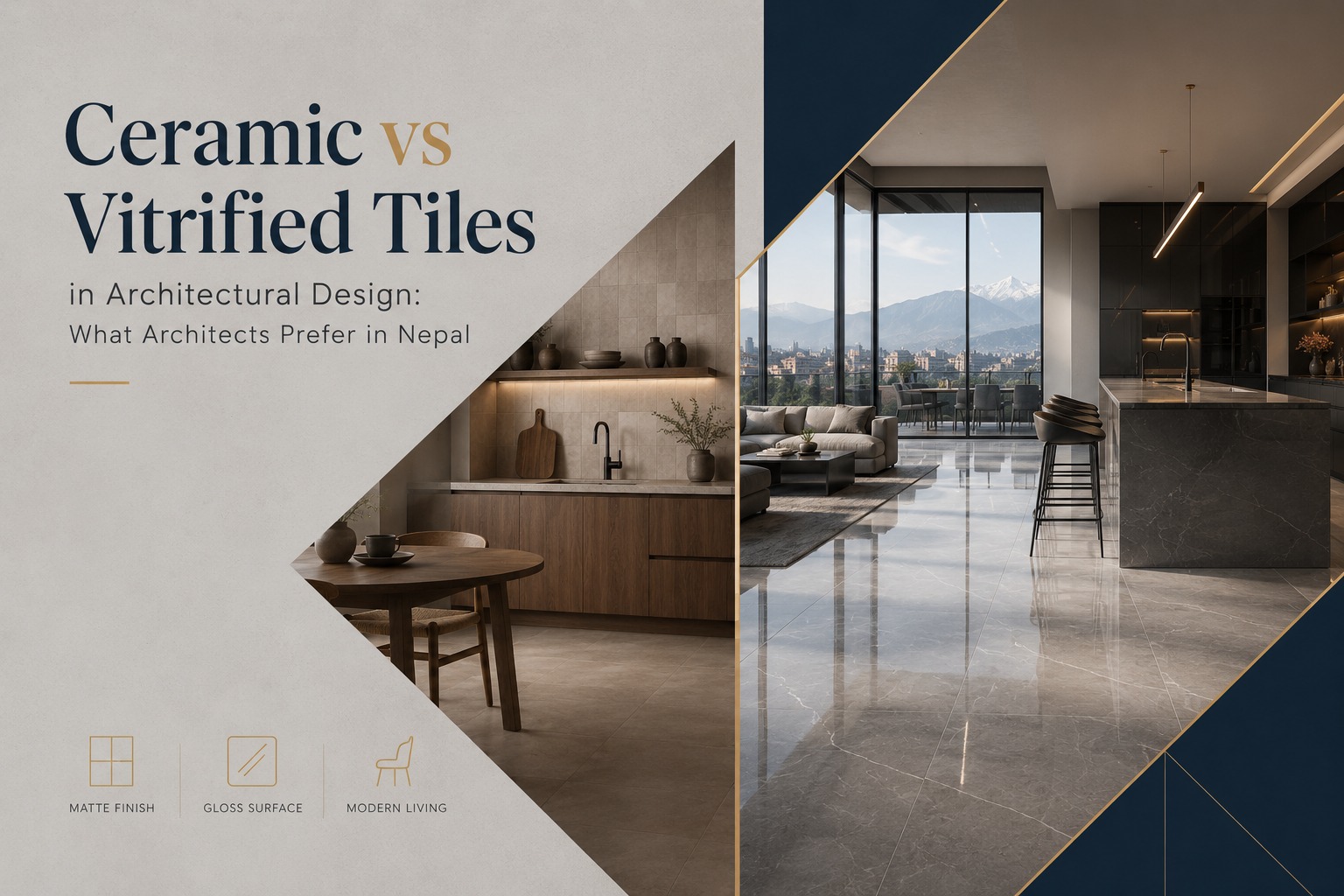
Ceramic vs Vitrified Tiles in Architectural Design: What Architects Prefer in Nepal
Ceramic vs Vitrified Tiles in Architectural Design: What Architects Prefer in Nepal
In Nepal, as in many parts of the world, architectural design is about balancing beauty, functionality, and durability. When choosing tiles for a project, architects often face the decision of selecting between ceramic and vitrified tiles. The question of ceramic vs vitrified tiles revolves around the type of space, traffic flow, and aesthetic goals of the design. Understanding the differences between these two tile types can be crucial in making the right decision for a project.
Whether it’s for a bathroom, living room, or commercial space, the choice between ceramic or vitrified tiles for bathroom, floors, or walls significantly impacts the overall design and maintenance. Architects and designers in Nepal need to consider these factors to ensure the longevity and performance of the tiles, especially given the varied climate and living conditions in the region.
In this blog, we’ll compare ceramic and vitrified tiles based on key architectural design criteria, from performance and durability to aesthetics and cost-effectiveness, helping architects and designers make informed choices. Let’s dive into the specifics of each tile type and see which one suits your needs.
1. Understanding about Ceramic and Vitrified Tiles- Kajaria Ramesh Tiles
What Are Ceramic Tiles?
Ceramic tiles are made from clay that is fired at high temperatures. They are generally more porous than vitrified tiles, meaning they absorb moisture and stains more easily. However, ceramic tiles come in a wide variety of colors, patterns, and textures, which makes them ideal for decorative applications.
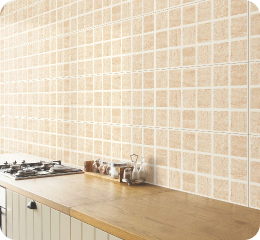
Whether it’s for walls or as accents, ceramic tiles offer a rich aesthetic experience at a more affordable price point. They are particularly useful in lower-traffic areas, such as bathrooms, kitchens, or as decorative features.
What Are Vitrified Tiles?
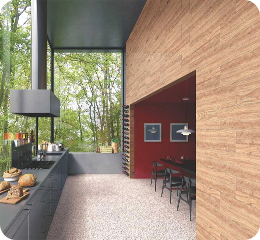
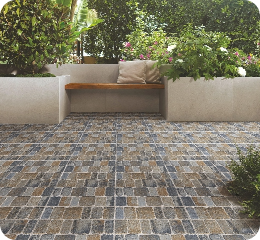
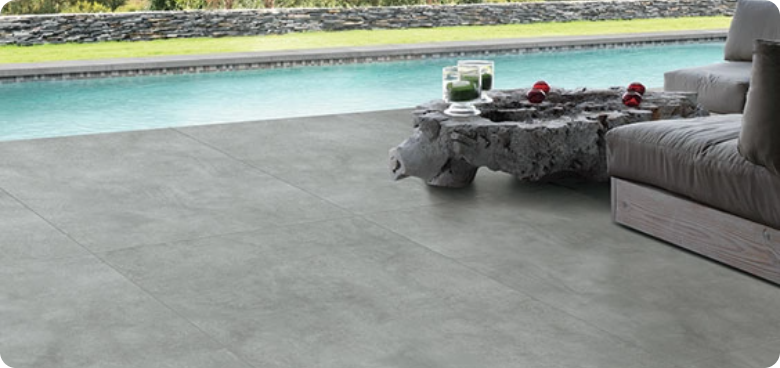
Vitrified tiles, on the other hand, are made by combining clay, silica, and feldspar and firing them at even higher temperatures (1200-1300°C). This process fuses the materials into a glass-like finish, making them non-porous and highly resistant to stains, scratches, and moisture. Vitrified tiles are known for their durability and seamless look, making them a popular choice for flooring in high-traffic areas like living rooms, offices, and outdoor spaces.
2. Performance and Durability: Ceramic vs Vitrified Tiles
Durability
When it comes to ceramic vs vitrified tiles in terms of durability, vitrified tiles come out as the winner. The high firing temperature results in a stronger, denser tile that can withstand high foot traffic, moisture, and harsh weather conditions. This makes vitrified tiles ideal for areas like living rooms, offices, and outdoor spaces.
Ceramic tiles, while durable, are more porous and less suitable for heavy traffic or wet areas. They are better suited for areas like bathroom walls or kitchen backsplashes, where decorative value and easy maintenance are prioritized.
Water Absorption and Maintenance
One of the main advantages of vitrified tiles is their water resistance. Their low porosity prevents water from being absorbed, which helps avoid issues like cracking or fungal growth in damp areas. Ceramic tiles, in contrast, have a higher water absorption rate, making them prone to moisture-related issues unless properly sealed.
This is why ceramic or vitrified tiles for bathroom are an important consideration. Vitrified tiles would be a more reliable option for bathroom floors and other high-moisture environments.
3. Aesthetic and Design Flexibility: ceramic and vitrified tiles
Ceramic Tiles for Aesthetic Appeal
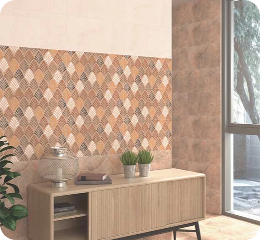
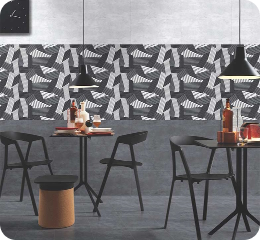
Ceramic tiles excel in areas where creativity is a focus. They come in a wide variety of designs, from vibrant colors to intricate patterns and textures. This makes them the perfect choice for ceramic or vitrified tiles for walls, especially when designers want to make a bold statement or feature artistic designs. From beautiful kitchen backsplashes to bathroom accent walls, ceramic tiles add personality to any space.
Vitrified Tiles for Modern, Seamless Designs
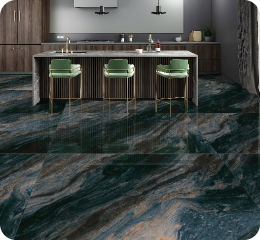
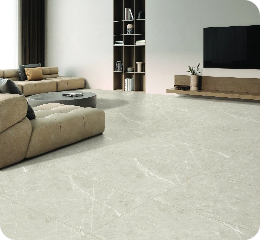
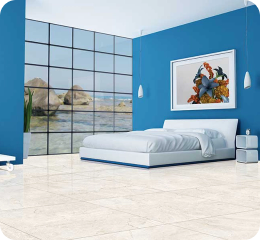
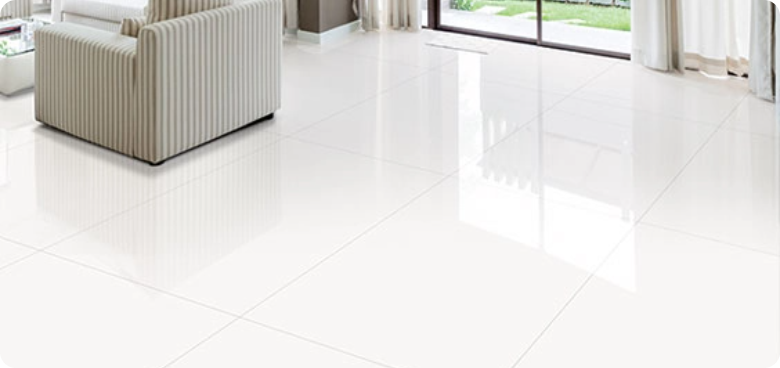
Vitrified tiles are ideal for those seeking a sleek, modern look. Their seamless finish and uniform size make them perfect for larger spaces like living rooms or commercial buildings, where a continuous look is desired. The glossy or matte finish of vitrified tiles adds a touch of luxury, making them a perfect choice for ceramic or vitrified tiles for floor applications.
4. Cost Considerations: Ceramic vs Vitrified Tiles
When considering the best tiles in Nepal, it’s essential to take cost into account. Ceramic tiles are generally more budget-friendly compared to vitrified tiles, making them a popular choice for those working with a tight budget or looking for an affordable solution for decorative applications.
On the other hand, vitrified tiles are more expensive due to their manufacturing process and superior durability, but they offer long-term value due to their low maintenance and durability.
To know about tile prices, go through the article, tile prices in Nepal 2026 for wall, floor, and bathroom tiles.
5. Which Tile to Choose for Different Spaces- Ceramic or Vitrified?
Ceramic or Vitrified Tiles for Bathroom
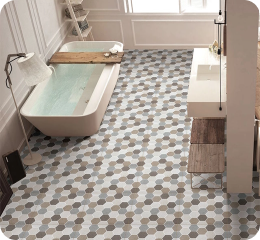
For bathroom walls, ceramic tiles are often the preferred option due to their wide variety of designs and lower cost. However, for bathroom floors, vitrified tiles are recommended for their water resistance and durability.
Ceramic or Vitrified Tiles for Floor
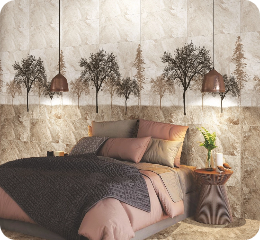
For high-traffic areas like living rooms and hallways, vitrified tiles are ideal due to their robustness and low maintenance. For lower-traffic areas like bedrooms, ceramic tiles can offer a more cost-effective yet stylish solution.
Ceramic or Vitrified Tiles for Walls
When it comes to ceramic or vitrified tiles for walls, ceramic tiles stand out for their ability to provide aesthetic value with their wide array of designs, patterns, and textures, especially for accent walls or backsplash applications.
Why Choose Ceramic and Vitrified Tiles with Kajaria Ramesh in Nepal?
Kajaria Ramesh, the best tiles in Nepal, offers a comprehensive range of ceramic and vitrified tiles that cater to both aesthetic appeal and durability, making them a preferred choice for architects and designers across Nepal. Their extensive collection includes tiles that are not only stylish but also built to withstand the demands of both residential and commercial spaces. Whether you’re designing a modern home or a high-traffic commercial area, Kajaria Ramesh provides high-quality tiles that meet both functional and visual needs.
With Kajaria Ramesh’s tiles, you get the best of both worlds. Their vitrified tiles are designed to offer a seamless, durable finish perfect for flooring in areas like living rooms, hallways, and offices. On the other hand, their ceramic tiles bring in a variety of colors and patterns ideal for creating artistic designs on walls or for more budget-conscious applications like bathroom walls or kitchens. The diverse options ensure that you don’t have to compromise on quality or aesthetics.
Kajaria Ramesh also ensures the tiles are suitable for the unique climate conditions in Nepal, providing both water-resistant and easy-to-maintain options. Whether you need ceramic or vitrified tiles for bathroom or flooring, Kajaria Ramesh’s products guarantee longevity, high performance, and an elegant touch to any architectural project.
Conclusion
In the battle of ceramic vs vitrified tiles, the choice comes down to the specific needs of the space. For high-traffic areas, durability, and long-term performance, vitrified tiles are the clear winner. However, for decorative elements and budget-friendly applications, ceramic tiles remain an essential choice in architectural design. Whether it’s for flooring, walls, or bathrooms, understanding the strengths and weaknesses of both tile types ensures architects can make the best decision for their projects.
If you’re looking for the best tiles in Nepal, consider consulting with local tile experts and designers to find the perfect blend of style, functionality, and cost-efficiency for your next project.
FAQs
1. What is the difference between ceramic and vitrified tile?
Ceramic tiles are porous and less durable, making them ideal for low-traffic areas or decorative walls, while vitrified tiles are non-porous, highly durable, and resistant to stains, scratches, and moisture, making them perfect for high-traffic floors.
2. What are the 4 types of vitrified tiles?
The four main types of vitrified tiles are Double Charge Vitrified Tiles, Full Body Vitrified Tiles, Glazed Vitrified Tiles (GVT), and Polished Vitrified Tiles (PVT).
3. Are Kajaria tiles ceramic or vitrified?
Kajaria Ramesh Nepal provides both ceramic and vitrified tiles, providing options for both decorative applications and durable flooring needs.
4. Can vitrified tiles be used for walls?
Yes, vitrified tiles can be used for walls, especially in modern designs, but ceramic tiles are typically preferred for more intricate or decorative wall features.
5. What is another name for vitrified tiles?
Vitrified tiles are also commonly referred to as porcelain tiles, though not all vitrified tiles are classified as porcelain.
6. What are the six main types of tiles?
The six main types of tiles include Ceramic Tiles, Vitrified Tiles, Porcelain Tiles, Marble Tiles, Glass Tiles, and Stone Tiles.