


Durable and Easy to Clean Kitchen Tiles for Busy Homes
In a busy home, the kitchen is one of the most heavily used spaces. From daily cooking to constant foot traffic, spills, dropped utensils, and heat exposure, your kitchen floor and walls go through a lot every single day. That is why choosing durable kitchen tiles is not just a design decision, it is a practical investment.
Many homeowners focus only on how tiles look, but performance matters just as much. Tiles that are not designed for high traffic surfaces can wear out quickly, become difficult to clean, or even pose safety risks over time. The good news is that modern tile options combine both durability and easy maintenance, making them ideal for busy households.
This guide will help you understand what makes kitchen tiles durable, how to choose easy-to-clean surfaces, and which tile types work best for long-lasting flooring in active homes.
Why Durabable Kitchen Tiles is Needed
Durability is one of the most important factors when selecting kitchen tiles. Unlike bedrooms or living rooms, kitchens experience constant movement, moisture, and impact. If your tiles are not strong enough, you may start noticing cracks, stains, or surface wear within a short period.
Daily Wear and Tear in Busy Kitchens
A typical kitchen in a Nepali home sees continuous use throughout the day. Heavy utensils may fall, chairs are dragged, and water spills are common. Over time, these small actions can damage low-quality tiles.
This is where wear resistance becomes essential. Tiles with high wear resistance can handle repeated friction without losing their finish or texture. This ensures that your kitchen maintains its look even after years of use.
Impact Resistance for Long-Term Use
Another important factor is impact resistance. In busy kitchens, accidental drops are unavoidable. Whether it is a pan, pressure cooker, or heavy plate, tiles must be strong enough to withstand sudden impact without cracking.
Tiles with high impact resistance not only last longer but also reduce repair and replacement costs in the long run.
What Makes Kitchen Tiles Durable?
Not all tiles are built the same. The durability of a tile depends on several technical factors, not just its appearance. Understanding these factors can help you make a smarter choice.
Tile Material and Density
The material of the tile plays a major role in its strength. Denser tiles are generally more durable and resistant to water, stains, and scratches.
For example, vitrified tiles are known for their high density and low water absorption. This makes them ideal for long lasting flooring in kitchens where spills are frequent.
Ceramic tiles, while more affordable, are slightly more porous and may not perform as well in high-traffic areas.
Surface Finish and Strength
The finish of a tile also affects its durability. Matte and textured finishes tend to hide scratches and wear better than glossy surfaces. They also provide better grip, which is important for safety.
Glossy tiles, on the other hand, are easier to wipe clean but may show scratches and stains more easily over time.
PEI Rating and Traffic Handling
The PEI (Porcelain Enamel Institute) rating indicates how well a tile can handle foot traffic. This is especially important for kitchens, which are considered high traffic surfaces.
- PEI 1–2: Suitable for walls only
- PEI 3: Light residential use
- PEI 4–5: Ideal for kitchens and heavy-use areas
For a busy home, always choose tiles with a PEI rating of at least 3 or higher for flooring.
Easy to Clean Kitchen Tiles: Why They Matter
Durability is important, but ease of cleaning is equally critical in a kitchen environment. Cooking generates grease, oil splashes, and food stains that can quickly make surfaces look dirty.
Smooth vs Textured Surfaces
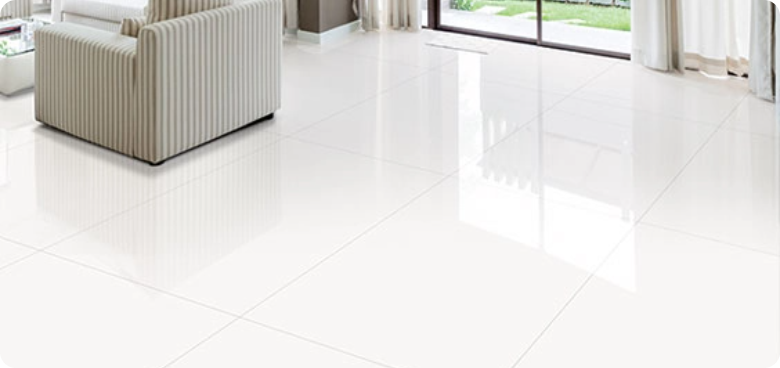
Smooth, glazed tiles are easier to clean because they do not absorb stains. A simple wipe with a damp cloth is usually enough to remove grease and spills.
Textured tiles provide better slip resistance but may trap dirt in their surface. This means they require slightly more effort to clean.
For kitchen walls and backsplashes, smooth tiles are usually the better choice. For floors, a balance between texture and cleanability is ideal.
Best Types of Durable Kitchen Tiles
Choosing the right tile type is key to achieving both durability and easy maintenance. The material and manufacturing process directly affect how tiles perform under daily use.
Vitrified Tiles for High Performance
Vitrified tiles are one of the best choices for durable kitchen tiles. They are manufactured under high pressure and temperature, which makes them extremely dense and strong.
Because of this density:
- They absorb very little water
- They resist stains and spills effectively
- They are less likely to crack under pressure
These tiles offer excellent wear resistance, meaning they can handle constant foot traffic without losing their surface finish. They are also highly resistant to scratches, which is important in kitchens where dirt and movement are constant.
This makes them ideal for long lasting flooring, especially in homes where the kitchen is used throughout the day.
You can explore vitrified tile options here.
Glazed Vitrified Tiles (GVT)
Glazed vitrified tiles take durability a step further by adding a protective glazed layer on top. This layer improves both appearance and performance.
The glazed surface:
- Prevents stains from penetrating the tile
- Makes cleaning faster and easier
- Maintains colour and finish over time
At the same time, these tiles retain the strength of vitrified tiles underneath. This combination makes them a strong choice for homeowners who want both style and durability.
They are especially useful in modern kitchens where design matters but performance cannot be compromised.
Browse glazed vitrified options.
Ceramic Tiles for Walls
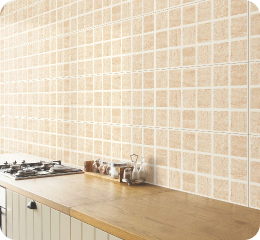
Ceramic tiles are a practical choice for kitchen walls and backsplashes. They are lighter, easier to handle, and more affordable compared to vitrified tiles.
Their main advantage is ease of cleaning:
- Smooth glazed surface resists grease
- Easy to wipe after cooking
- Suitable for areas with low impact
While they may not offer the same level of impact resistance as vitrified tiles, they perform very well on vertical surfaces where there is less stress.
Explore our ceramic tile collections.
Maintenance Tips for Long Lasting Kitchen Tiles
Even the most durable tiles need proper care to maintain their performance and appearance.
Regular Cleaning Routine:
Clean your kitchen tiles regularly using mild detergent and water. This prevents dirt and grease from building up and keeps the surface smooth.
Immediate Spill Management:
Wipe spills immediately to prevent stains, especially on grout lines. This helps maintain hygiene and prevents long-term discoloration.
Periodic Deep Cleaning:
Deep clean your tiles occasionally to remove grease buildup. This is especially important near cooking areas where oil splashes are frequent.
Protecting Tile Surface:
Use mats or rugs in high-use areas such as near the sink or stove. This reduces wear and helps extend the life of your flooring.
Conclusion
Choosing the right durable kitchen tiles is essential for any busy home. It is not just about looks it is about performance, safety, and long-term value.
Focus on tiles with high wear resistance and impact resistance to handle daily use. Choose materials like vitrified tiles for long lasting flooring, especially in kitchens with heavy foot traffic. At the same time, prioritize easy-to-clean surfaces that save you time and effort every day.
By understanding these factors and selecting the right tiles for both walls and floors, you can create a kitchen that stays functional, safe, and beautiful for years to come.
Frequently Asked Questions About Durable Kitchen Tiles
1. What are durable kitchen tiles and why are they important?
Durable kitchen tiles are tiles designed to handle heavy daily use, including foot traffic, spills, and impact from utensils. They are important because kitchens are high traffic surfaces, and low-quality tiles can crack, stain, or wear out quickly.
2. Which tiles have the best wear resistance for kitchens?
Tiles with high wear resistance, such as vitrified and glazed vitrified tiles, are the best for kitchens. These tiles are designed to withstand continuous foot traffic without losing their finish.
3. Are vitrified tiles better than ceramic tiles for durable kitchen flooring?
Yes, vitrified tiles are generally better for durable kitchen tiles when it comes to flooring. They offer higher impact resistance, lower water absorption, and better wear resistance compared to ceramic tiles.
4. What tile size is best for easy to clean kitchen floors?
Large-format tiles like 60×60 cm or 60×120 cm are ideal for easy to clean kitchen floors.