



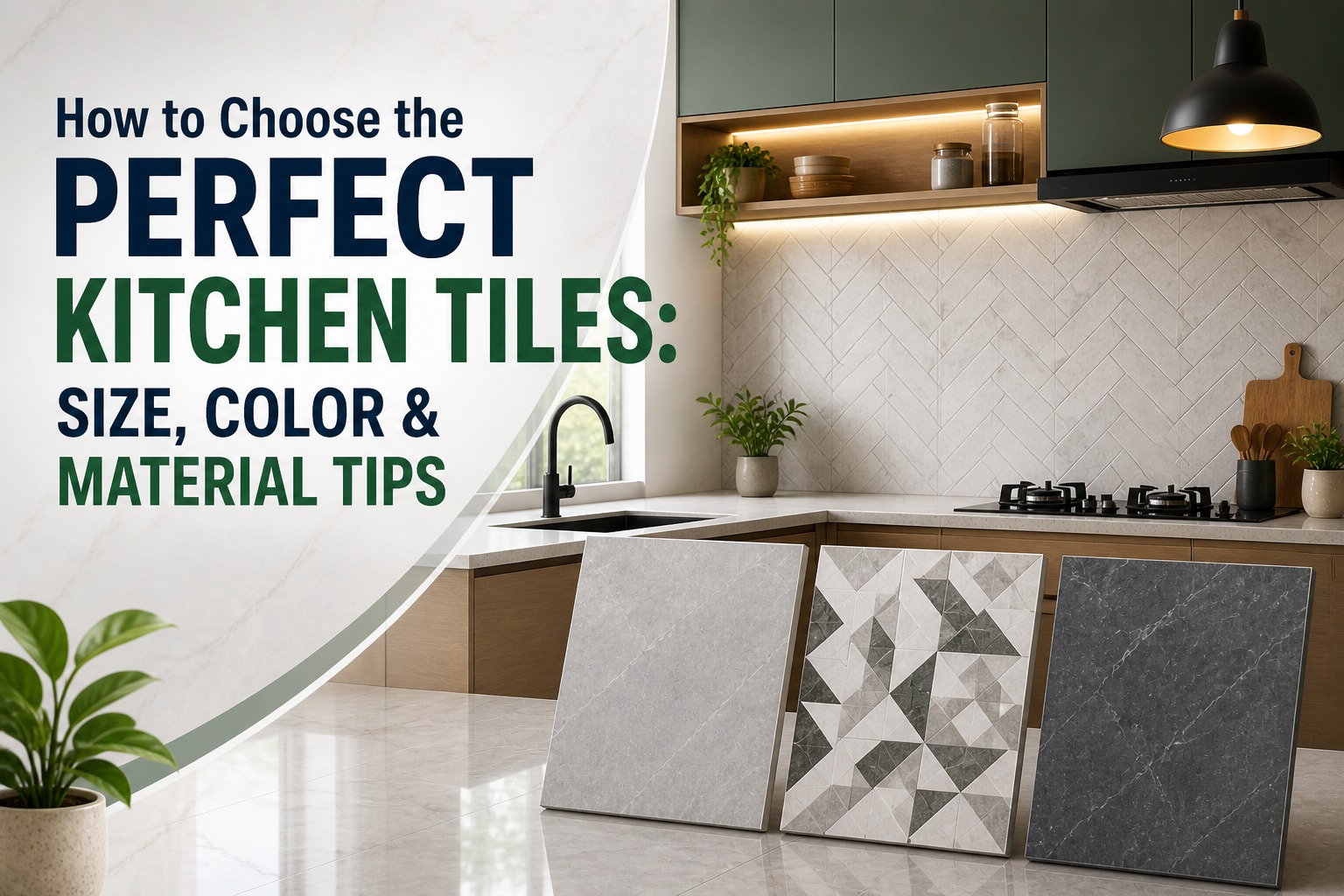
How to Choose the Perfect Kitchen Tiles: Size, Color & Material Tips
Choosing the right tiles for your kitchen can feel overwhelming. With so many sizes, colors, and materials available, where do you even start? The good news is once you understand a few simple rules, the whole process becomes much easier.
Kitchen tiles do more than just look good. They protect your walls and floors from water, heat, and stains. They also play a huge role in how big or small your kitchen feels. Whether you are doing a full kitchen renovation or just refreshing the look.
This guide will walk you through everything you need to know about floor and wall tile selection step by step.
1. How Tile Size Affects Your Kitchen’s Look and Feel
Tile size is one of the first decisions you will make and it has a big impact on how your kitchen looks.
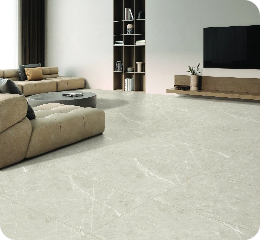
Small kitchens benefit from larger tiles like 60×60 cm or 60×120 cm. Fewer grout lines mean the floor looks open and continuous, which makes the room feel bigger. This is called visual space perception, a well-known concept in interior design.
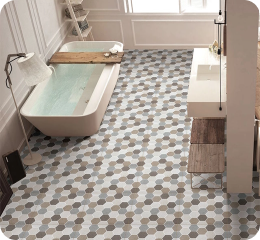
Large kitchens can handle any size tile. Smaller tiles like 30×30 cm or 30×60 cm laid in a herringbone layout pattern can add detail and texture without making the space feel cramped.
One thing many people overlook is grout joint width. Smaller tiles need more grout lines, which require more maintenance over time. Larger tiles with thin grout joints are easier to clean and give a sleeker finish.
Pro tip: Always add 10% extra tiles to your order to account for cuts and breakage. This is known as ordering with a 10% waste buffer; it saves you from running a short mid-project.
Not sure which size works best for your space? Try the Kajaria Tile Finder to filter tiles by size and see how they look before you buy.
2. Picking the Right Color for Your Kitchen Tiles
Color is where most people get stuck. The right tile color should work with your cabinets, countertops, and overall lighting. Here is how to get it right.
Light Colors vs. Dark Colors
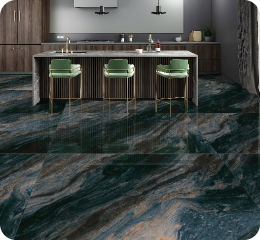
Light-colored tiles white, cream, soft grey reflect light and make a kitchen feel airy and open. They are a great choice for smaller or dimly lit kitchens. Dark-colored tiles like charcoal, navy, or deep green add drama and depth, but work best in larger kitchens with good natural light.
How to Match Tiles with Cabinets and Countertops
Cabinet and countertop pairing is one of the most common challenges in kitchen design. A simple rule: contrast works. If your cabinets are dark, choose lighter tiles. If your cabinets are white or off-white, darker or patterned tiles add balance without clashing.
Matte vs. Glossy Finish
This is a big decision. Matte finish tiles hide fingerprints and water spots better. They look modern and understated and are great for floors. Glossy finish tiles reflect light and make spaces feel brighter. They are easier to wipe clean on walls but can show smudges faster on floors.
For kitchen walls, many homeowners prefer a glossy or polished finish because it handles splashes and grease well. For kitchen floors, a matte or textured finish is usually the smarter choice because it is safer underfoot.
Browse Kajaria’s full range of kitchen wall tiles to explore both matte and gloss finish options in dozens of colors.
3. Which Tile Material is Best for Kitchens?
Not all tiles are made the same. The material you choose affects how durable, safe, and easy to maintain your kitchen will be.
Ceramic Tiles
Ceramic tiles are made from clay and fired at high temperatures. They are affordable, available in many designs, and easy to cut and install. However, they have a higher water absorption rate compared to other materials, which makes them better suited for walls than floors in wet areas.
Porcelain Tiles (Vitrified Tiles)
Porcelain tiles also called vitrified tiles are denser and harder than ceramic. They have a very low water absorption rate, making them ideal for kitchen floors where spills are common. They are also more resistant to stains and scratches.
When comparing porcelain vs. ceramic, porcelain usually wins for kitchen floors due to its durability. For walls, either works well but porcelain offers longer-lasting color and finish.
Check out Kajaria’s Glazed Vitrified Tiles, a popular choice for kitchens that combine style with heavy-duty performance.
What is PEI Rating?
The PEI rating (Porcelain Enamel Institute rating) tells you how tough a tile is for foot traffic. It ranges from 1 to 5. PEI 1–2 is for wall tiles only. PEI 3 is suitable for light home floor traffic. PEI 4–5 handles heavy traffic and is ideal for kitchens, hallways, and commercial spaces. Always check the PEI rating before buying kitchen floor tiles for your kitchen.
Slip Resistance
Kitchen floors get wet. A tile with a good slip resistance coefficient is essential for safety. Look for tiles rated R10 or higher for kitchen and wet area use. Matte and textured finishes generally offer better grip than polished surfaces.
Explore Kajaria’s dedicated range of kitchen floor tiles all designed with durability and safety in mind.
4. Kitchen Wall Tiles vs. Kitchen Floor Tiles: Are They Different?
Yes and this is a mistake many people make. Kitchen Wall tiles are typically lighter and thinner than floor tiles. They are not designed to handle foot traffic. Using a wall tile on the floor can lead to cracking or slipping over time.
Kitchen Floor tiles are thicker and built to handle weight, impact, and regular cleaning. Some floor tiles can also be used on walls, but always check the manufacturer’s recommendation first.
For a complete kitchen refresh, pair your kitchen floor tiles with matching or complementary kitchen wall tiles to create a cohesive look from floor to ceiling.
Conclusion
Choosing kitchen tiles is not just about picking something that looks nice. You need to think about size, color, finish, material, and safety all at the same time. Start with your kitchen’s size to decide on tile dimensions. Then choose a color that complements your cabinets. Finally, pick a material based on where the tile will be used on the wall or floor.
Kajariaramesh, the best tiles in Nepal, offers a wide range of high-quality tiles built for Nepali homes.
Frequently Asked Questions About Kitchen Tiles
1. How many tiles do I need for my kitchen?
Measure the total area in square meters (length × width). Then add 10% for waste and cuts. For example, a 10 sq. meter kitchen needs at least 11 sq. meters of tiles.
2. What is the best kitchen tile size for a small kitchen?
Large format tiles like 60×60 cm or 60×120 cm work best. They reduce the number of grout lines, which makes the floor look bigger and more open.
3. Is porcelain better than ceramic for kitchen floors?
For floors, yes. Porcelain is denser, more water-resistant, and more durable under heavy use. Ceramic is a fine budget option for kitchen walls.
4. Can I use the same tile on the floor and wall?
Some tiles are rated for both, but always verify the PEI rating and slip resistance. A tile rated PEI 1 is for walls only and should never be used on the floor.